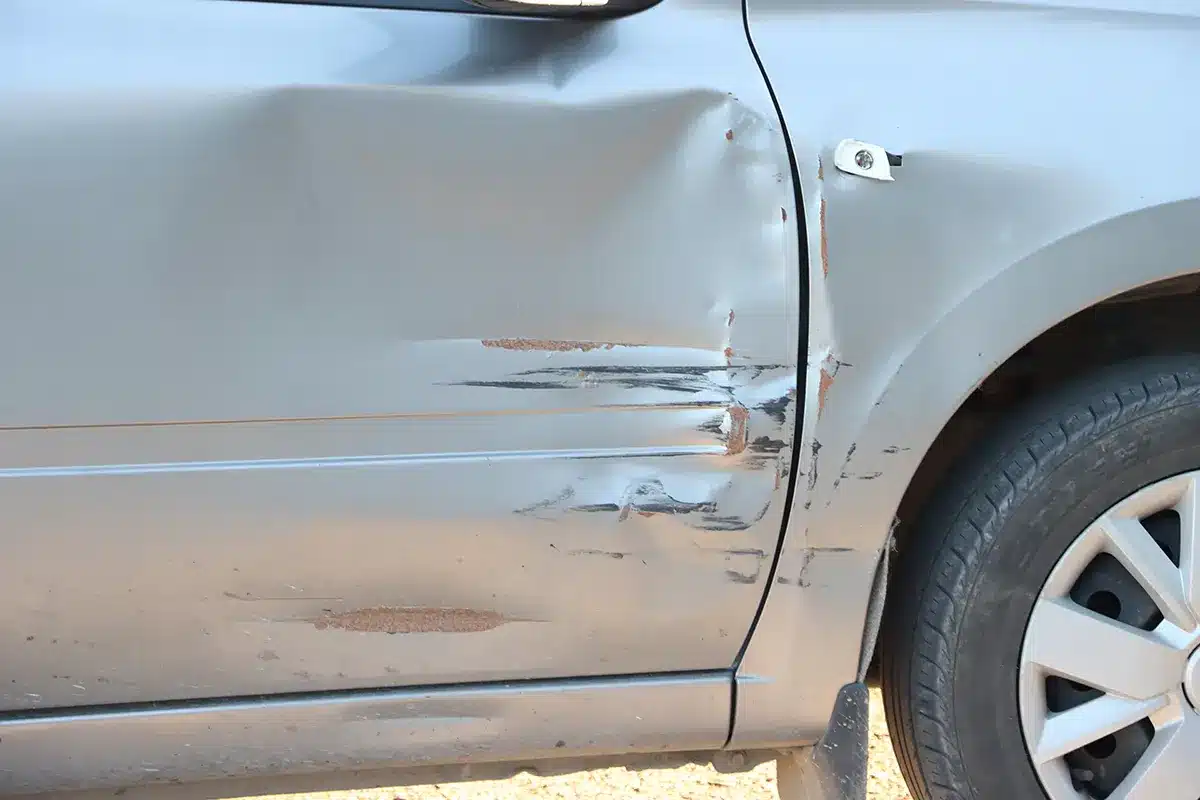
Door Dings · Parking Lot Dents · Hail Damage

Paintless Dent Repair in Willimantic, CT

A door ding or parking-lot dent may be repairable without repainting your vehicle. Paintless dent repair, also called PDR, reshapes a damaged metal panel while retaining the existing finish when the damage is suitable.

Capitol Collision helps drivers in Willimantic, CT, assess minor dents, dings, and hail damage. Whether PDR is appropriate depends on the dent’s shape, depth, location, panel material, paint condition, and available access.

Contact our team to discuss the damage and request a paintless dent repair estimate.

Paintless Dent Removal

What Is Paintless Dent Repair?

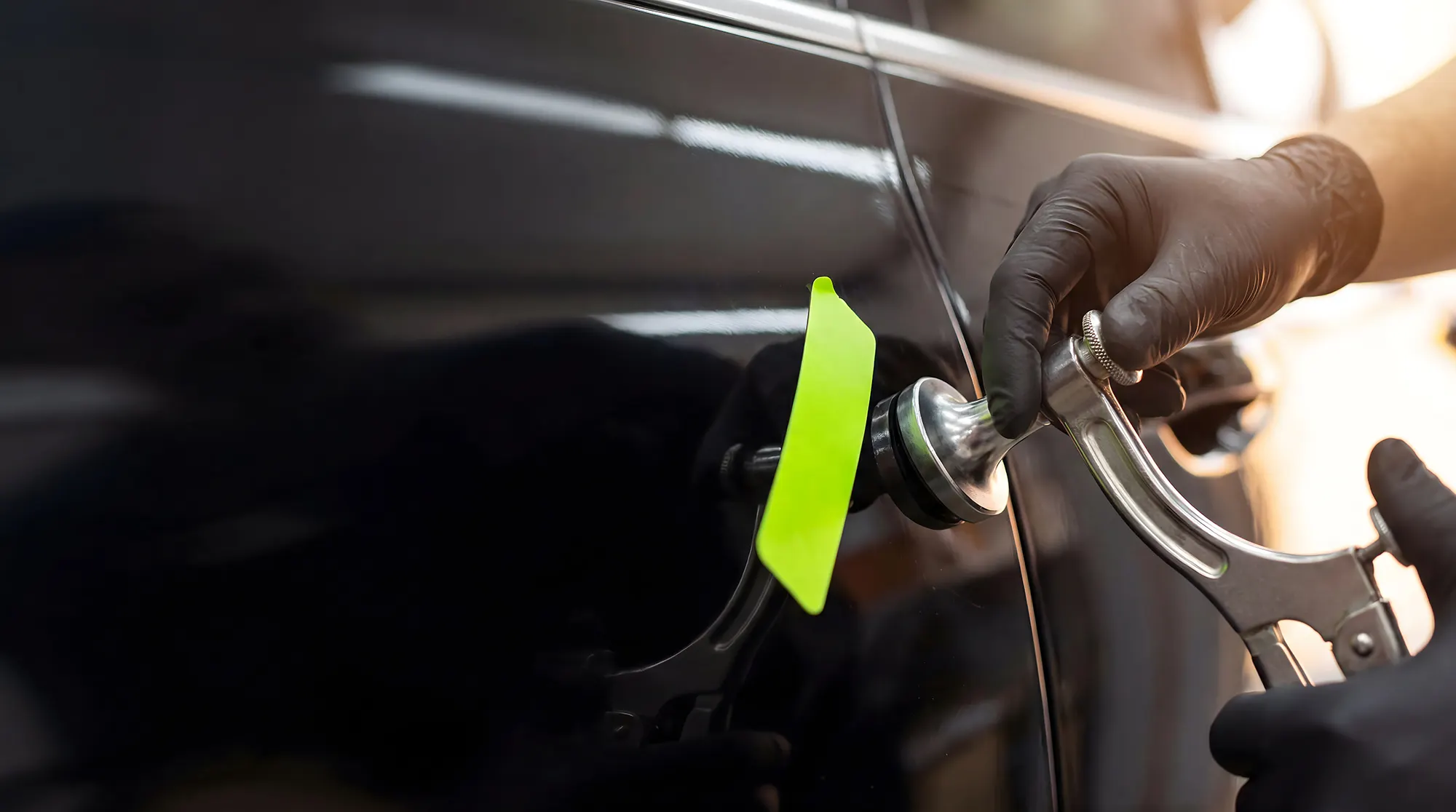
Paintless dent removal uses controlled pressure or pulling techniques to gradually reshape a dented panel. For a qualifying repair, the existing painted surface remains in place, avoiding conventional body filler, sanding, and repainting.

PDR is a repair method for suitable dents—not a solution for every damaged panel. Cracked paint, severely stretched metal, and more extensive damage may require conventional body repair.
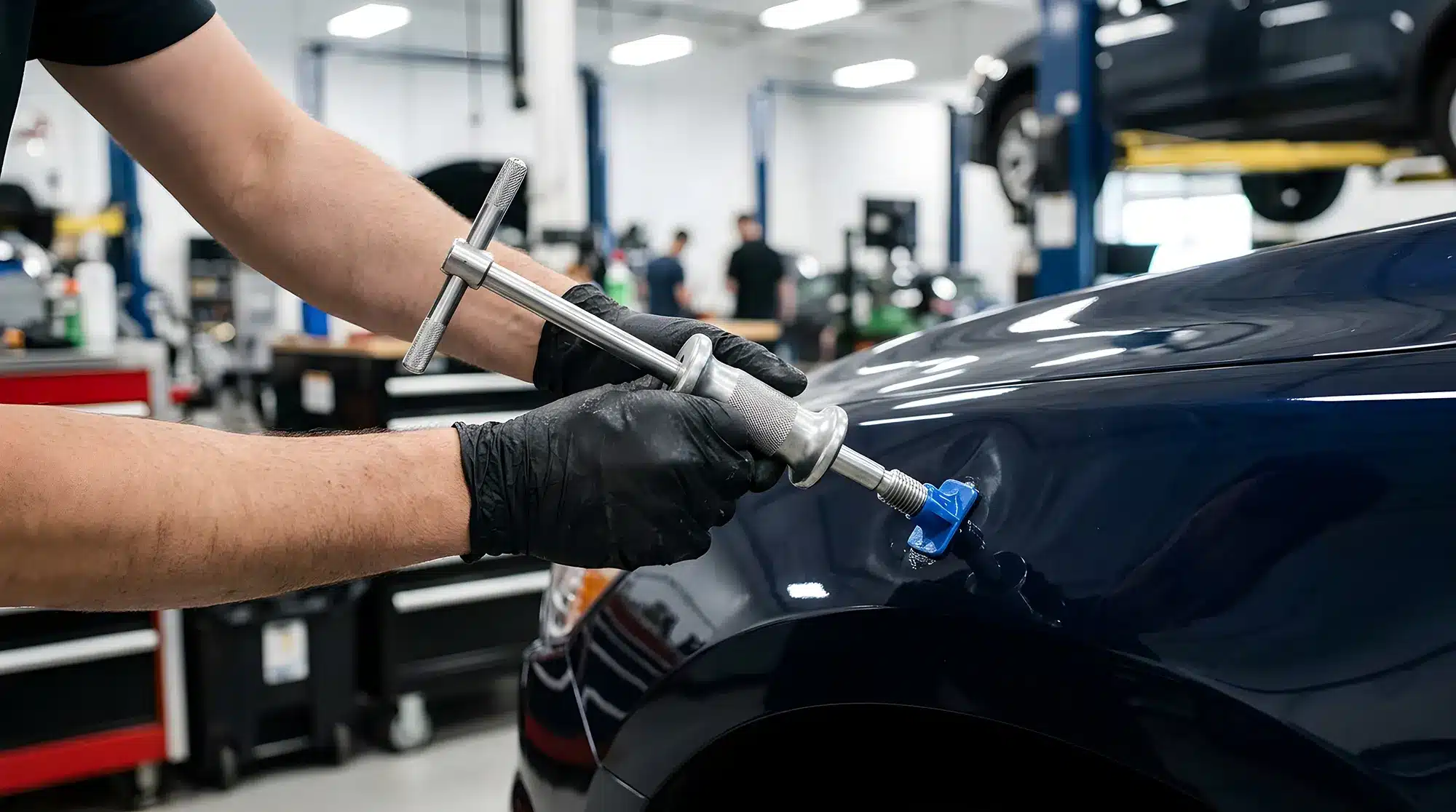
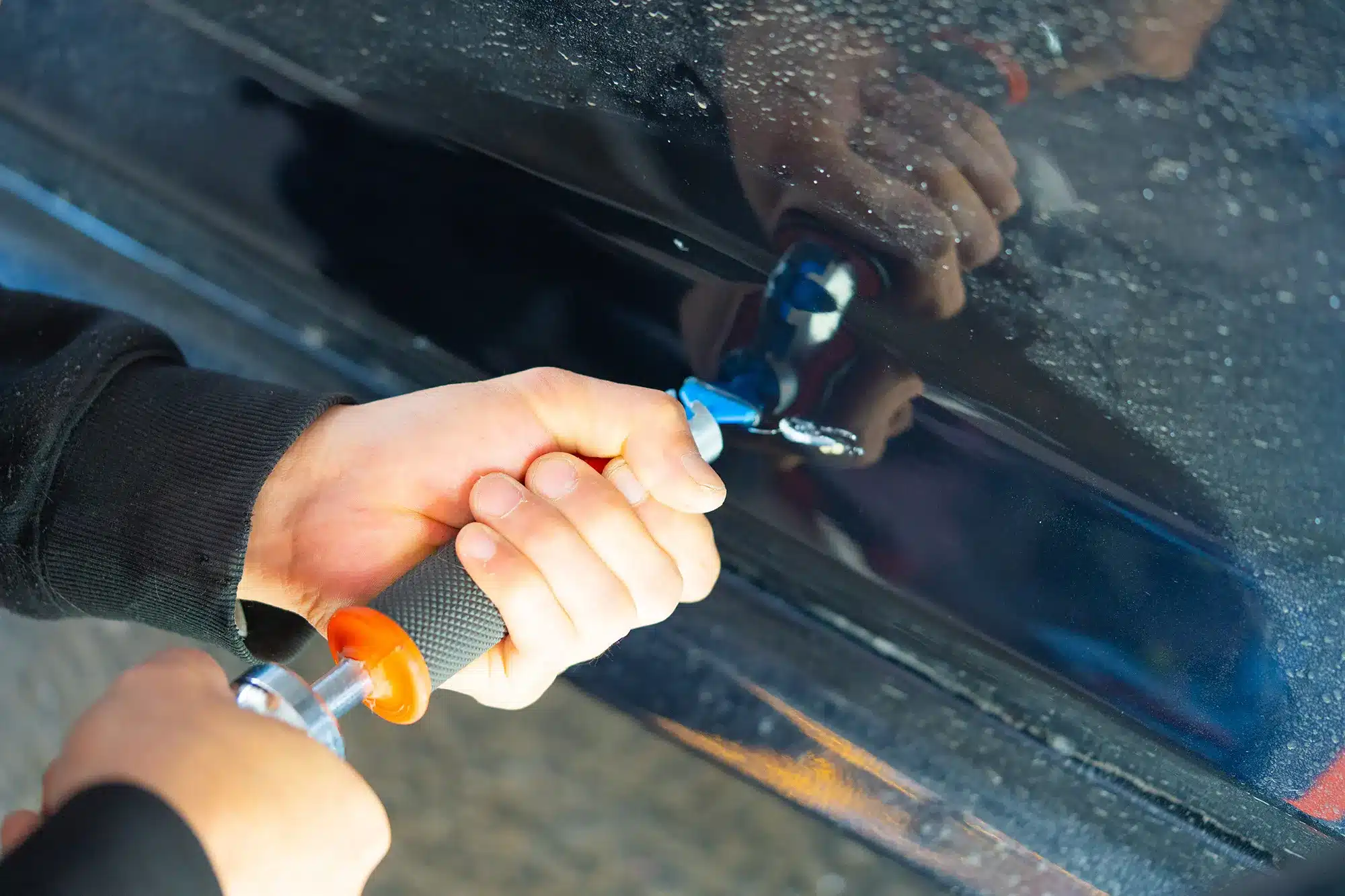
Technician using PDR tools on a dented panel
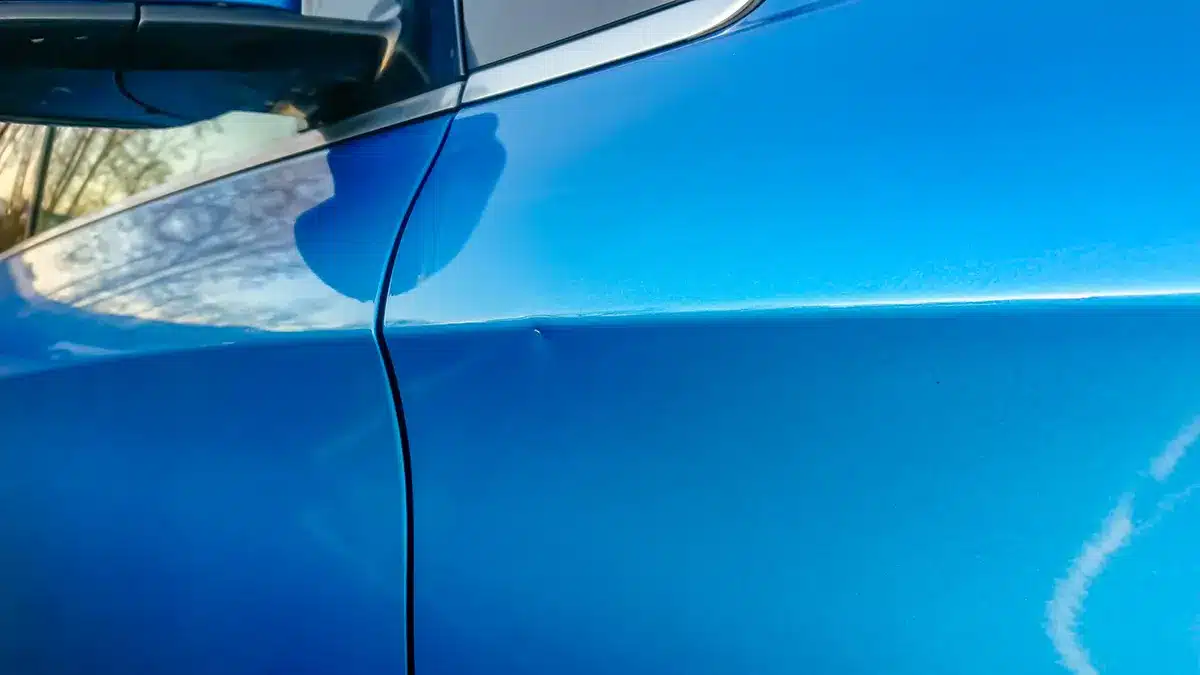
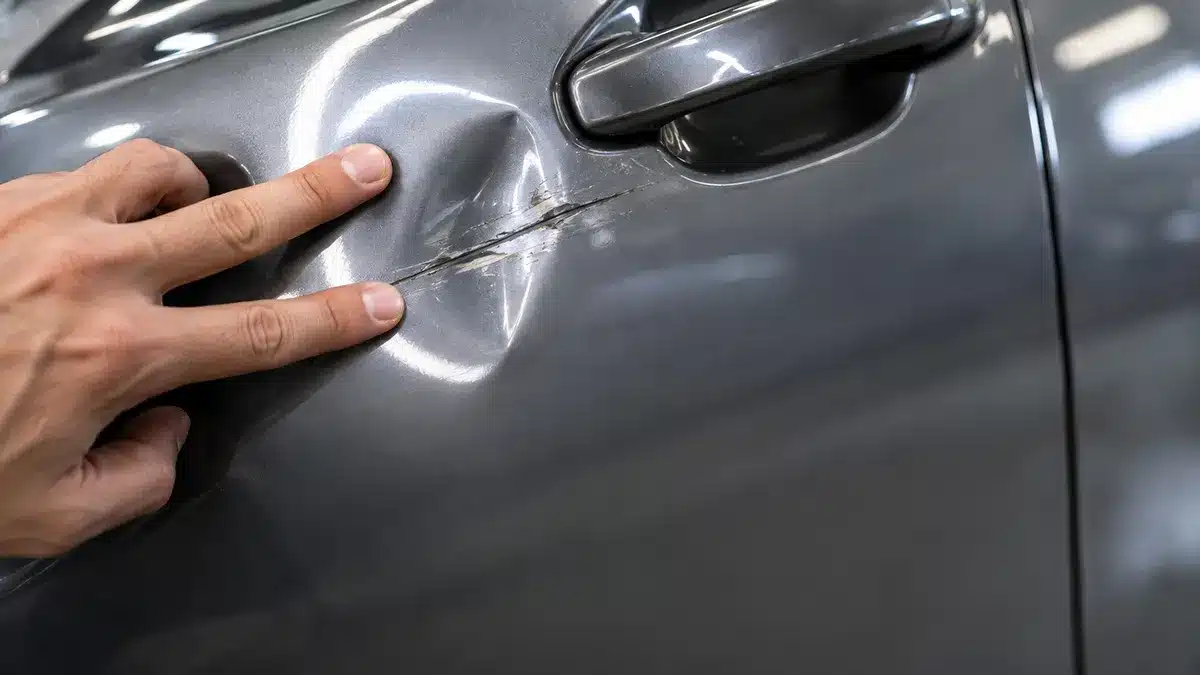
Close-up of a door ding before paintless repair

What Types of Damage Can Paintless Dent Repair Fix?
Door ding on a vehicle door
Door Dings
A door opened into your vehicle can leave a small indentation. Door ding repair may be possible with PDR if the paint remains intact and the dent’s shape and location allow it.
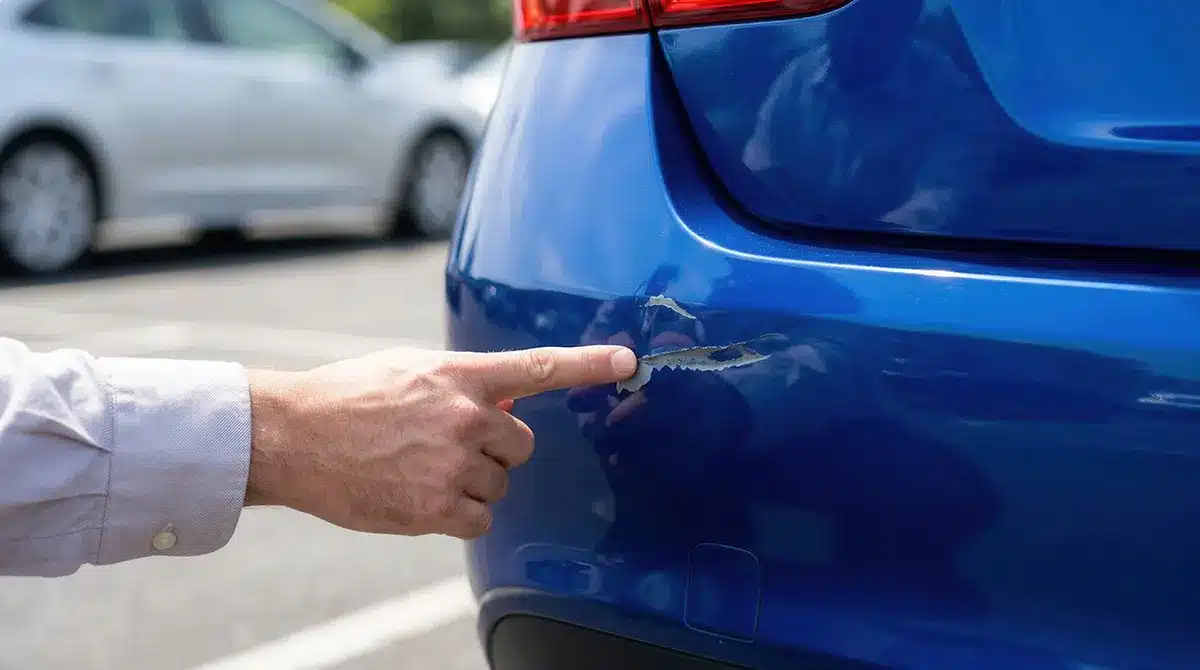
Parking lot dent on a rear quarter panel
Parking Lot Dents
Shopping carts and other low-speed contact can create dents without breaking the finish. Parking lot dent repair starts with checking the panel for paint damage and determining how the dent can be accessed.
Small shallow dent on a car panel
Small and Minor Dents
Shallow dents may be good candidates, but size alone does not determine suitability. A small, sharply creased dent can be more difficult to repair than a broader, shallower indentation.
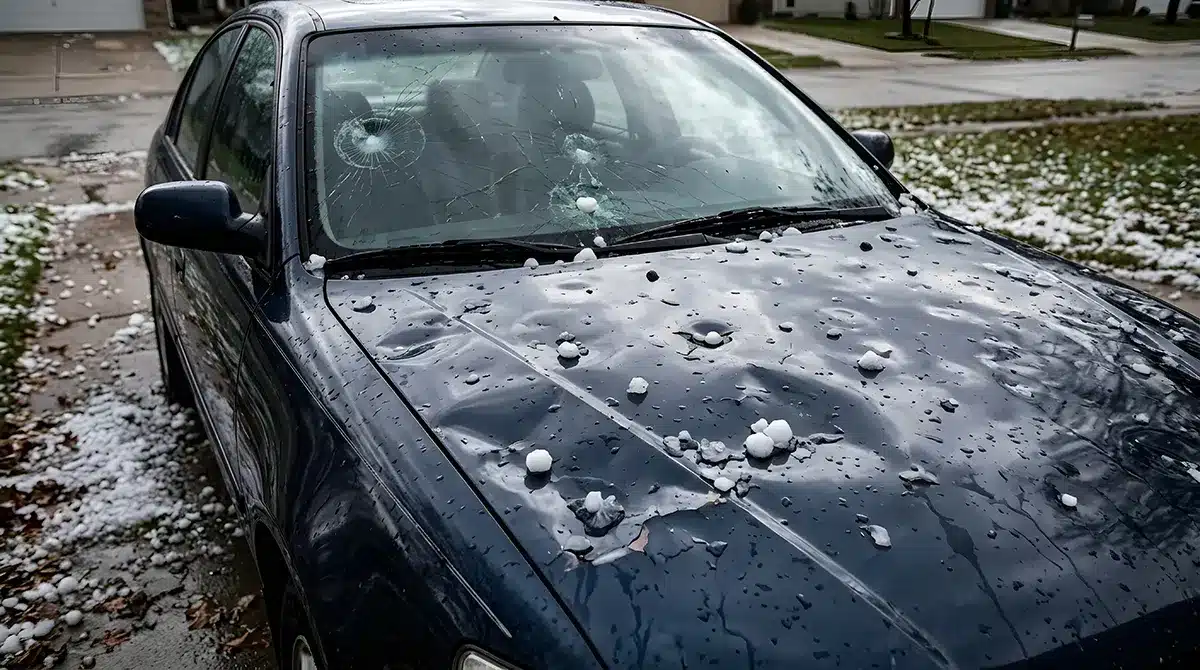
Hail dents across a car roof
Hail Damage
Hail can leave several dents across a vehicle. Hail dent repair may use PDR where the paint and panel condition allow it. Each affected area needs assessment.
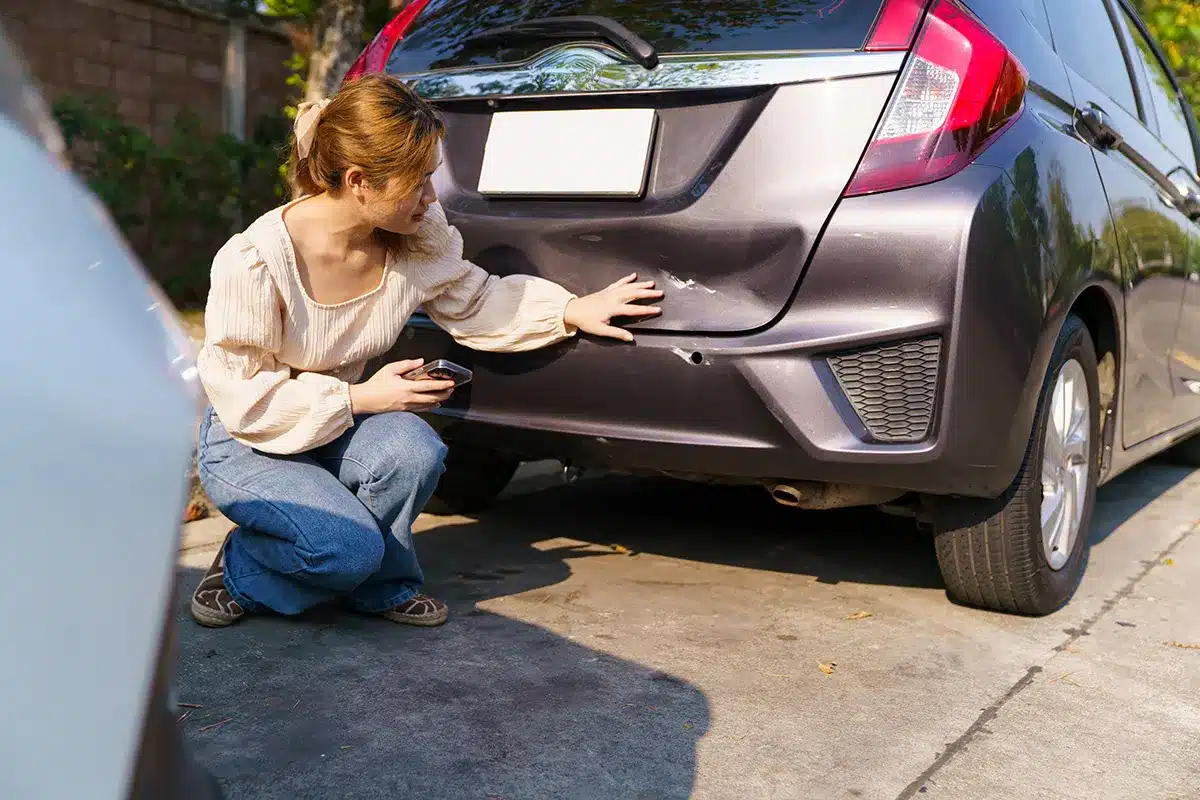
Localized dent from a minor impact
Minor Collision Dents

Some localized dents caused by a minor impact may qualify. PDR does not address structural damage or replace the need to assess other components affected by an accident.

If the impact affected more than the dented panel, discuss collision repair so the wider damage can be assessed.

Technician inspecting an aluminum body panel
Dents on Body Panels
Capitol Collision’s published dent-repair capabilities include steel and aluminum panels. The particular panel, material, construction, and damage determine which repair approach is appropriate.

Is Your Vehicle a Good Candidate for PDR?

An inspection is the reliable way to determine whether dent repair without painting is appropriate.
The Paint Is Still Intact

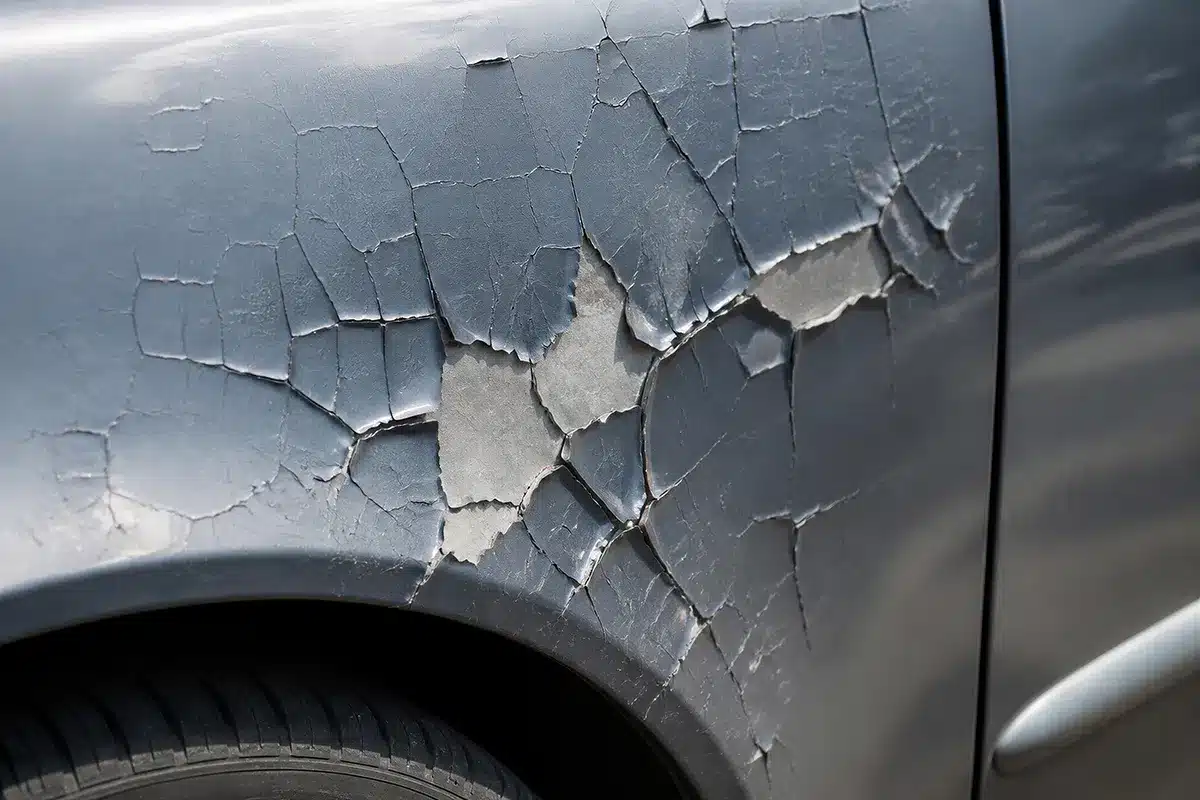
Unbroken paint is an important starting point. Chipping, cracking, or peeling can mean that reshaping the panel alone will not complete the repair.

The Dent Is Not Too Deep or Severely Creased

Dent depth and shape matter. Sharp creases and concentrated impacts can make a paintless repair more difficult or unsuitable.

The Panel Can Be Accessed

The technician needs a practical way to apply controlled force. Depending on the panel and repair method, this may involve access from behind or an appropriate surface-pulling technique.

The Metal Has Not Been Excessively Stretched

A dent changes the panel’s shape. If the metal has stretched too far, returning it to an acceptable contour without conventional repair may not be possible.

Panel Material and Location Matter

Edges, body lines, reinforcements, previous repairs, and material properties affect the work. An inspection is the reliable way to determine whether dent repair without painting is appropriate.

Technician performing conventional body repair on a panel

When Paintless Dent Repair May Not Be the Right Choice

Conventional repair may be recommended when:

  • Paint is cracked, chipped, or peeling.

  • Metal is severely stretched or torn.

  • A dent is very deep or sharply creased.

  • The panel’s structure is damaged.

  • Replacement is necessary.

  • Suitable tool access or pulling methods are not practical.

Our auto body repair capabilities provide another route when PDR cannot adequately address the damage.

Paintless Dent Repair ✱ Door Ding Repair ✱ Hail Dent Repair ✱ Paintless Dent Repair ✱ Door Ding Repair ✱ Hail Dent Repair ✱Paintless Dent Repair ✱ Door Ding Repair ✱ Hail Dent Repair ✱ Paintless Dent Repair ✱ Door Ding Repair ✱ Hail Dent Repair ✱

How Paintless Dent Repair Works

The method is selected for the damaged area rather than applied identically to every dent.

1. Inspect and Assess the Damage

The dent is evaluated for size, depth, shape, location, and paint condition. Previous repairs and the surrounding panel also matter.

2. Determine Whether PDR Is Appropriate

The assessment establishes whether the panel can be reshaped while retaining its finish or whether conventional repair is needed.

3. Establish Panel Access

Where suitable, the technician accesses the back of the panel. Some repairs use surface-pulling methods instead, so access requirements differ between vehicles and dents.

4. Use Specialized PDR Tools

Depending on the repair, tools may include rods, body picks, or adhesive pulling tabs. The method is selected for the damaged area rather than applied identically to every dent.

5. Gradually Restore the Panel Shape

Controlled movements reshape the affected area in small increments. The technician works on remaining low and high spots to refine the contour.

6. Inspect the Finished Surface

The repaired area is checked for panel shape and finish condition. Any disturbed backside protective coatings also need appropriate attention as part of completing the repair.

Benefits of Paintless Dent Repair

For suitable damage, PDR can:

  • Retain the existing painted finish.

  • Avoid conventional filler and repainting.

  • Limit the extent of refinishing work.

  • Reduce repair time in some cases.

  • Provide a practical approach to qualifying dents and dings.

These advantages depend on the damage. PDR is not automatically cheaper, faster, or more appropriate than conventional repair.
Panel finish after a paintless dent repair

Paintless Dent Repair vs. Traditional Dent Repair

Consideration Paintless Dent Repair Traditional Dent Repair
Typical application Suitable dents with intact paint Damage requiring more extensive panel or finish work
Repair approach Controlled reshaping of the panel May involve reshaping, filler, or replacement
Existing finish Retained when the repair qualifies Affected areas may require refinishing
Painting Not required for a successful qualifying repair May include sanding, primer, color, and clear coat
Selection Depends on dent, paint, material, and access Depends on damage and applicable repair requirements

The appropriate method follows the condition of the vehicle. Preference for a paintless repair cannot make unsuitable damage qualify.

Paintless Dent Repair vs. Auto Body Painting

A qualifying dent may need reshaping without new paint. Auto body painting addresses damage to the finish, including areas that require refinishing after body repairs.

If a dent also has broken paint, PDR alone may not complete the work. Our auto body painting service provides a way to discuss the refinishing needs alongside the panel damage.

Paintless Dent Repair for Hail Damage

Hail often creates multiple dents with varying depth and location. Some may qualify for paintless repair, while others may require a different approach.

A hail damage assessment should consider all affected panels, paint condition, and repair access. The number of dents also influences the estimate and expected completion time.

If you are making an insurance claim, have your claim information ready. Capitol Collision welcomes all insurance carriers; your insurer determines coverage and deductible requirements.

How Much Does Paintless Dent Repair Cost?

Paintless dent repair cost depends on:

  • Dent size, depth, and shape

  • Number of dents

  • Location on the panel

  • Panel material

  • Tool access

  • Previous repairs

  • Overall damage severity

An assessment helps establish the work required. Photos may support an initial discussion, but they do not always reveal depth, access restrictions, or paint damage accurately.

Call Capitol Collision to arrange an estimate and ask how to provide any requested photos.

How Long Does Paintless Dent Repair Take?

Repair time depends on the number and complexity of the dents. One accessible indentation has different requirements from multiple hail dents across several panels.

Access work, repair difficulty, and scheduling also affect timing. Ask for an expected completion time after the damage has been assessed.

Does PDR Preserve the Original Paint?

PDR is designed to retain the existing paint when the damage qualifies. If the panel still has its factory finish, a successful paintless repair can preserve that finish.

Existing paint is not always original paint. Previous refinishing and the condition of that coating must also be considered before choosing a repair method.

Does Paintless Dent Repair Affect Resale Value?

Removing a visible dent can improve appearance, and retaining an intact original finish may appeal to a future buyer.

However, PDR does not guarantee a higher resale value. Vehicle condition, age, mileage, repair history, and market demand all influence what a vehicle is worth.

Why Choose Capitol Collision for Paintless Dent Repair?

Published Dent-Repair Capabilities

Capitol Collision describes dent-removal techniques for minor damage with intact paint, including work on steel and aluminum panels.

Broader Collision-Repair Experience

Our facility also provides body repair and painting. If the damage needs more than PDR, you can discuss an alternative repair plan with the team.

Family-Owned Business

Capitol Collision is a family-owned business with published information describing automotive repair experience and ongoing training.

Local Service

Our Willimantic location gives nearby vehicle owners a place to discuss dent damage, arrange an assessment, and review the recommended work.

Paintless Dent Repair in Willimantic, CT

For paintless dent repair in Willimantic, contact Capitol Collision to find out whether your vehicle’s damage qualifies.

We serve vehicle owners in Eastern Connecticut. Call ahead to discuss assessment availability and confirm current shop hours and drop-off arrangements.

Frequently Asked Questions About PDR

PDR reshapes suitable dents while retaining the existing painted finish. A qualifying repair avoids conventional filler and repainting.

Often, a door ding may qualify if the paint is intact and the dent’s shape, location, and panel access permit the repair.

Many hail dents can qualify. Each affected panel must be assessed because dent depth, paint condition, and access vary.

Some deeper dents may be repairable, but sharp creases and stretched metal can limit suitability. Depth alone does not establish the answer.

PDR alone will not repair chipped paint. A combined repair approach or conventional refinishing may be needed.

A qualifying PDR repair is intended to retain the existing finish. Paint condition and repair technique matter, so preservation should not be promised before assessment.

Cost depends on dent size, shape, number, location, material, and access. Request an estimate for your vehicle’s damage.

Timing varies with the repair scope and difficulty. The team can discuss a schedule after assessing the dents.

Each method suits different damage. PDR can avoid repainting when appropriate; conventional repair is necessary for some panel and paint conditions.

It can be used on suitable aluminum panels. Capitol Collision’s published dent-repair information includes aluminum, but the specific damage and panel requirements still determine suitability.

Capitol Collision’s published website describes a photo-quote option. Call to confirm the current submission method. An in-person assessment may still be needed before the repair scope and price are finalized.

Request a Paintless Dent Repair Estimate

Find out whether your dent can be repaired without repainting. Contact Capitol Collision for an assessment and a recommended repair approach.

Have these details ready:

  • Vehicle year, make, and model
  • Dent location and how the damage occurred
  • Whether the paint appears chipped or cracked
  • Any known previous repairs
  • Insurance claim information, if applicable

Call (860) 423-4516 to arrange your dent assessment.
Request an Estimate | Discuss Your Repair Options

Request a free quote