Alloy Wheel Repair · Willimantic, CT

Wheel Repair in Willimantic, CT

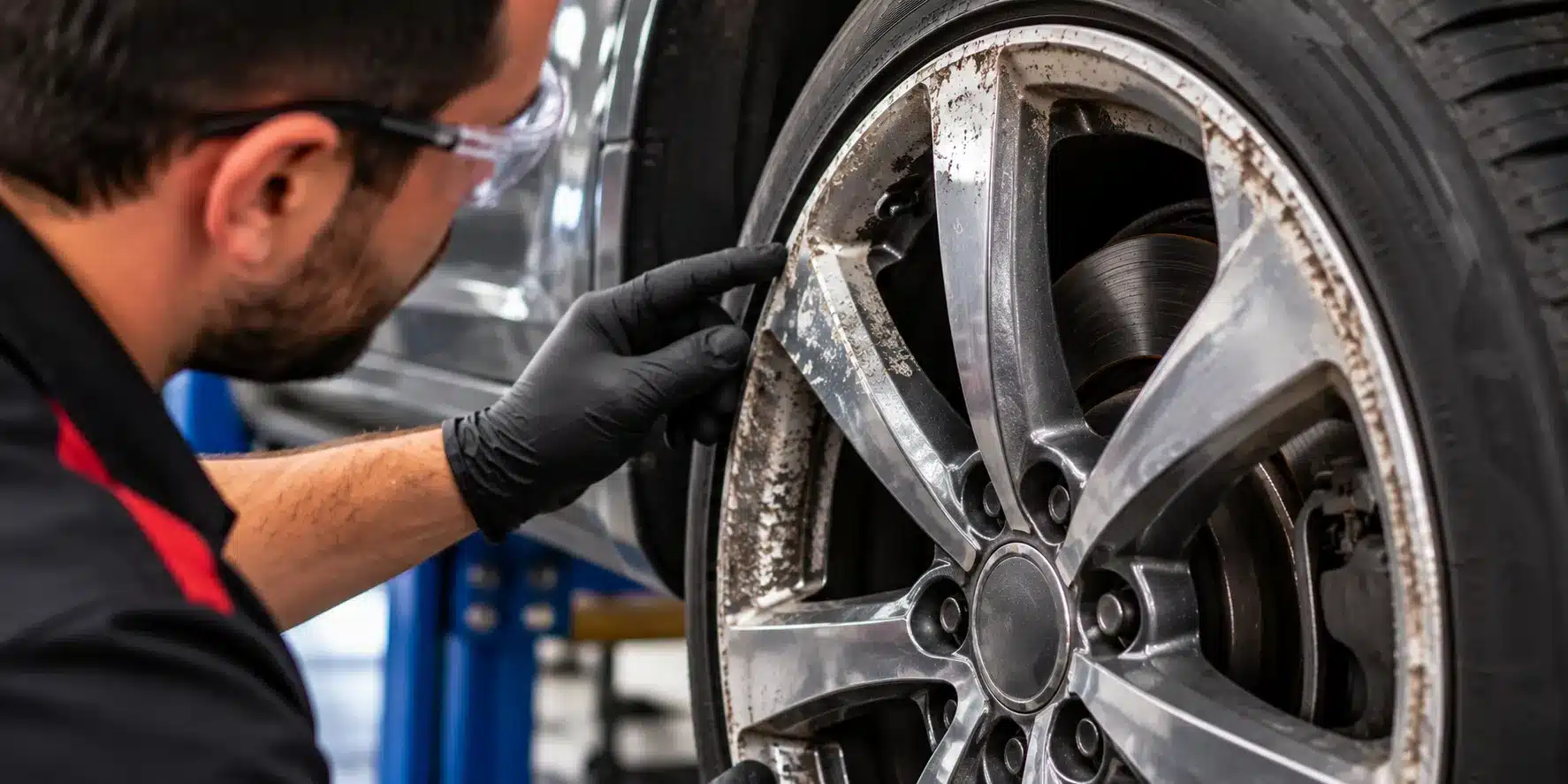
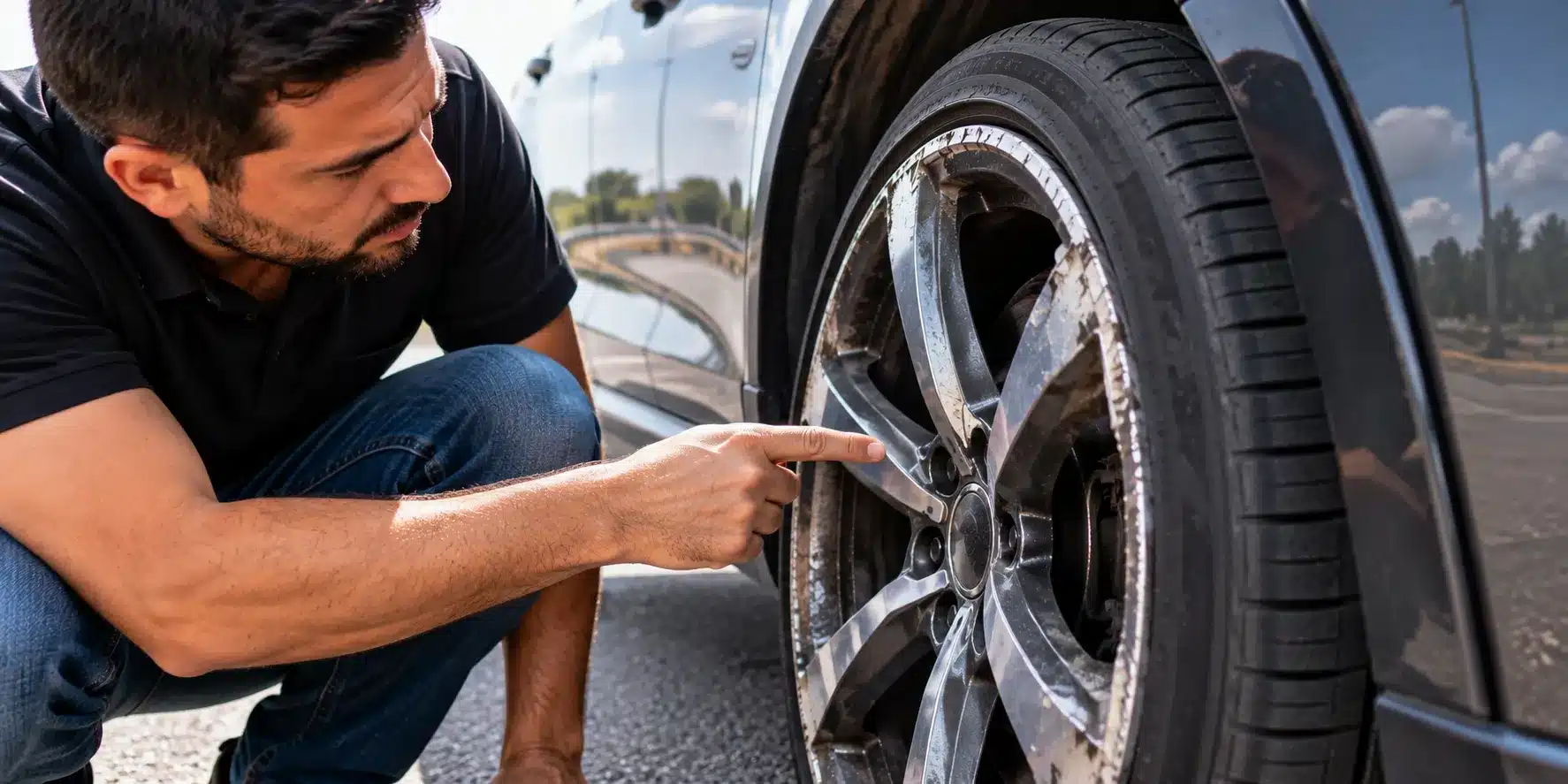
Scratched alloy wheels, curb damage, or an impact that changes how your vehicle feels all deserve the right assessment. Capitol Collision offers alloy wheel repair in Willimantic, CT, giving local drivers a place to discuss wheel damage and the appropriate next step.

The first decision is whether the concern involves the finish, the wheel itself, or related tire and vehicle damage. Cosmetic repair may be appropriate in some cases; other damage requires replacement rather than an attempt to restore the wheel.

Tell us what happened, which wheel is affected, and whether you have noticed vibration or pressure loss.

Professional Wheel Repair for Damaged Wheels

Wheel Repair for Bent, Damaged and Worn Wheels

A scratched finish and a visibly bent wheel need different recommendations. Contact Capitol Collision to discuss the damage before assuming that repair is available or appropriate.

Alloy and Aluminum Wheel Repair

Many passenger-vehicle alloy wheels are made from aluminum alloys. The wheel’s construction, finish, damage, and manufacturer guidance matter when assessing repair options.

Cosmetic and Physical Wheel Damage

Cosmetic damage affects appearance, while physical damage can affect the wheel’s shape or integrity. A wheel may have both, particularly after an impact.

When a Damaged Wheel Needs Professional Assessment

Arrange an assessment after a substantial impact or when you notice a crack, visible distortion, recurring pressure loss, or a change in vehicle behavior.

What Types of Wheel Damage Can Be Repaired?

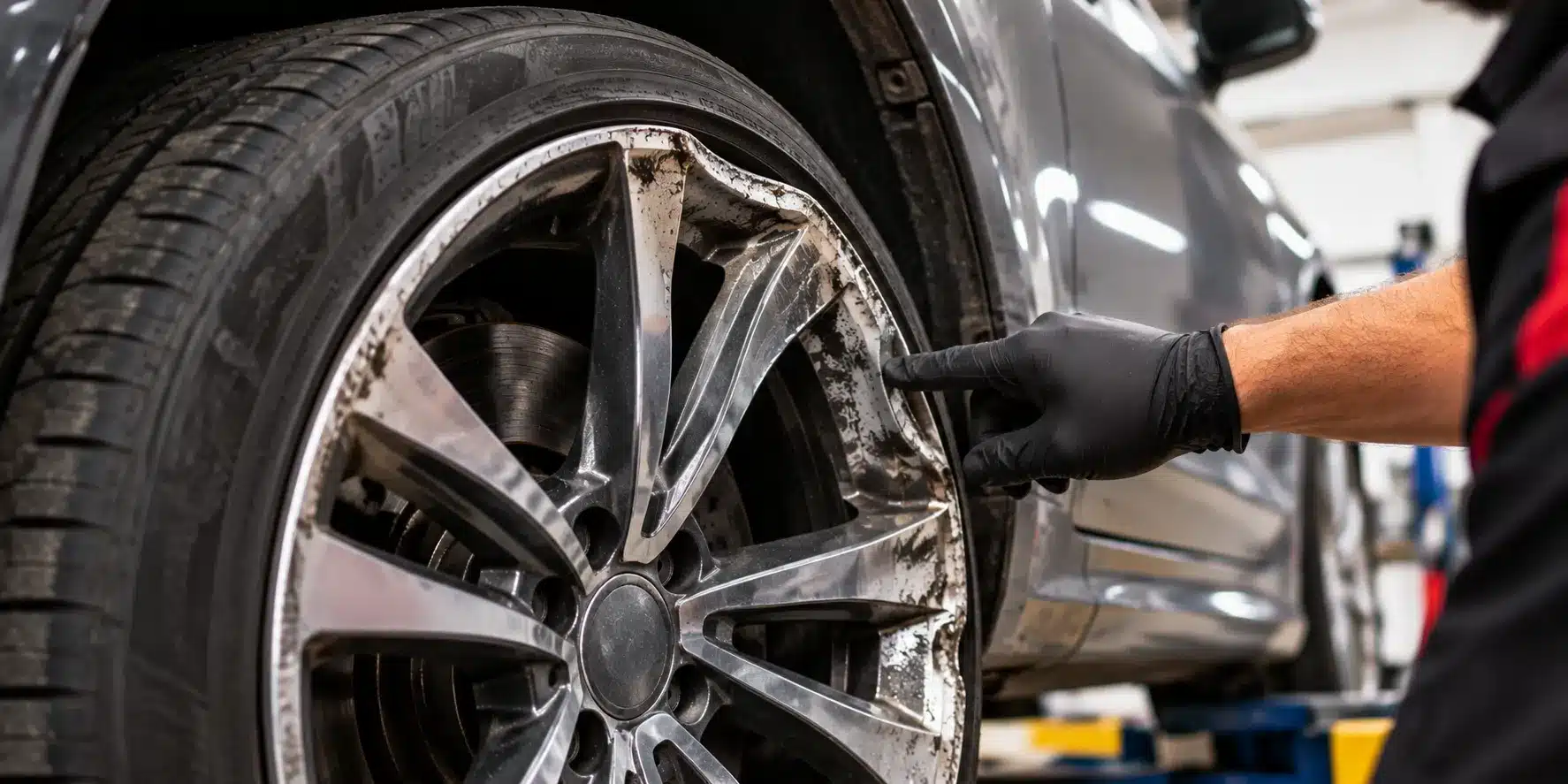
Some finish damage may be suitable for cosmetic work. Bent, cracked, or deeply damaged wheels require a different assessment and may need replacement.
Bent Wheels and Bent Rims

Bent Wheels and Bent Rims

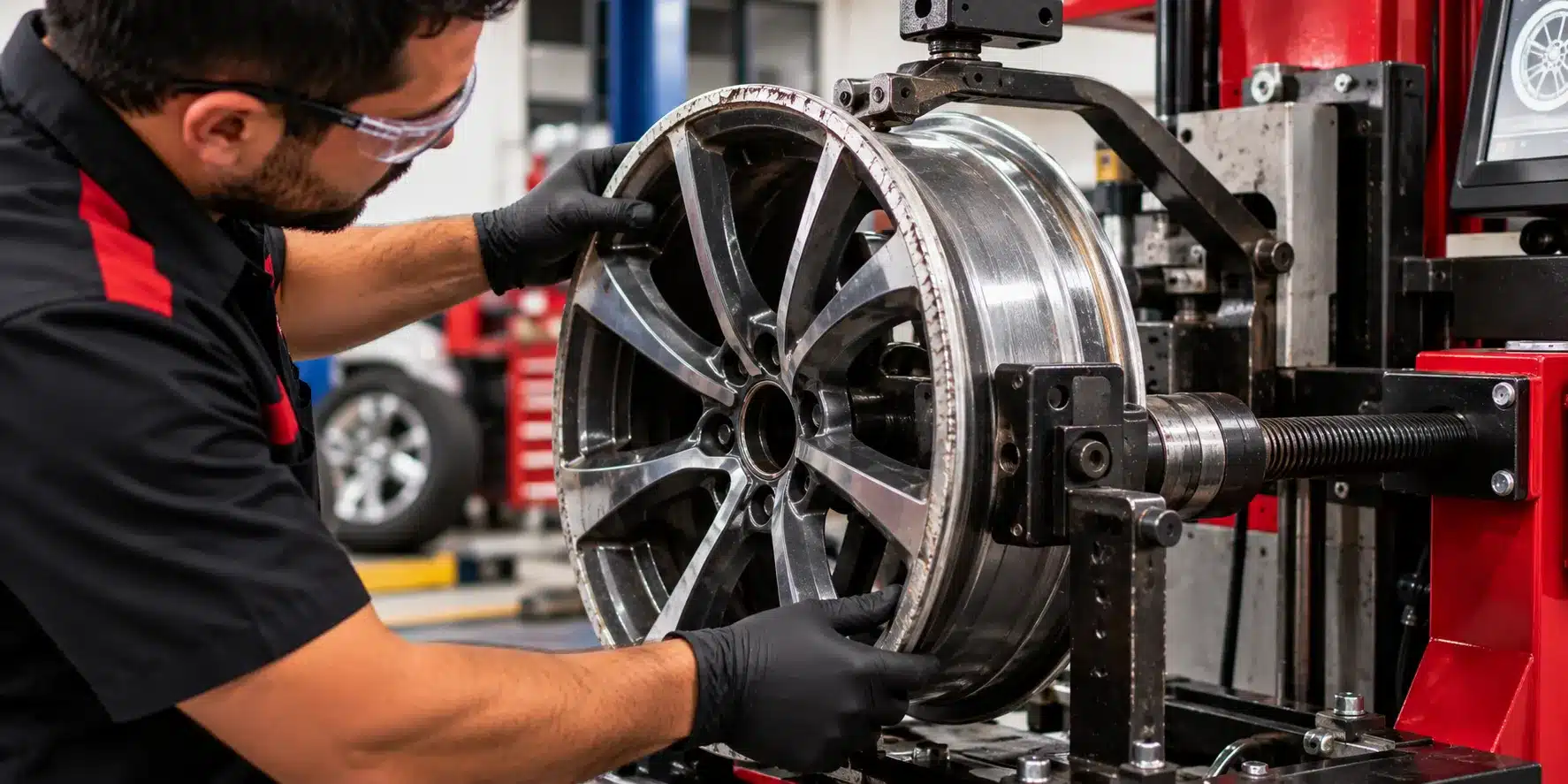
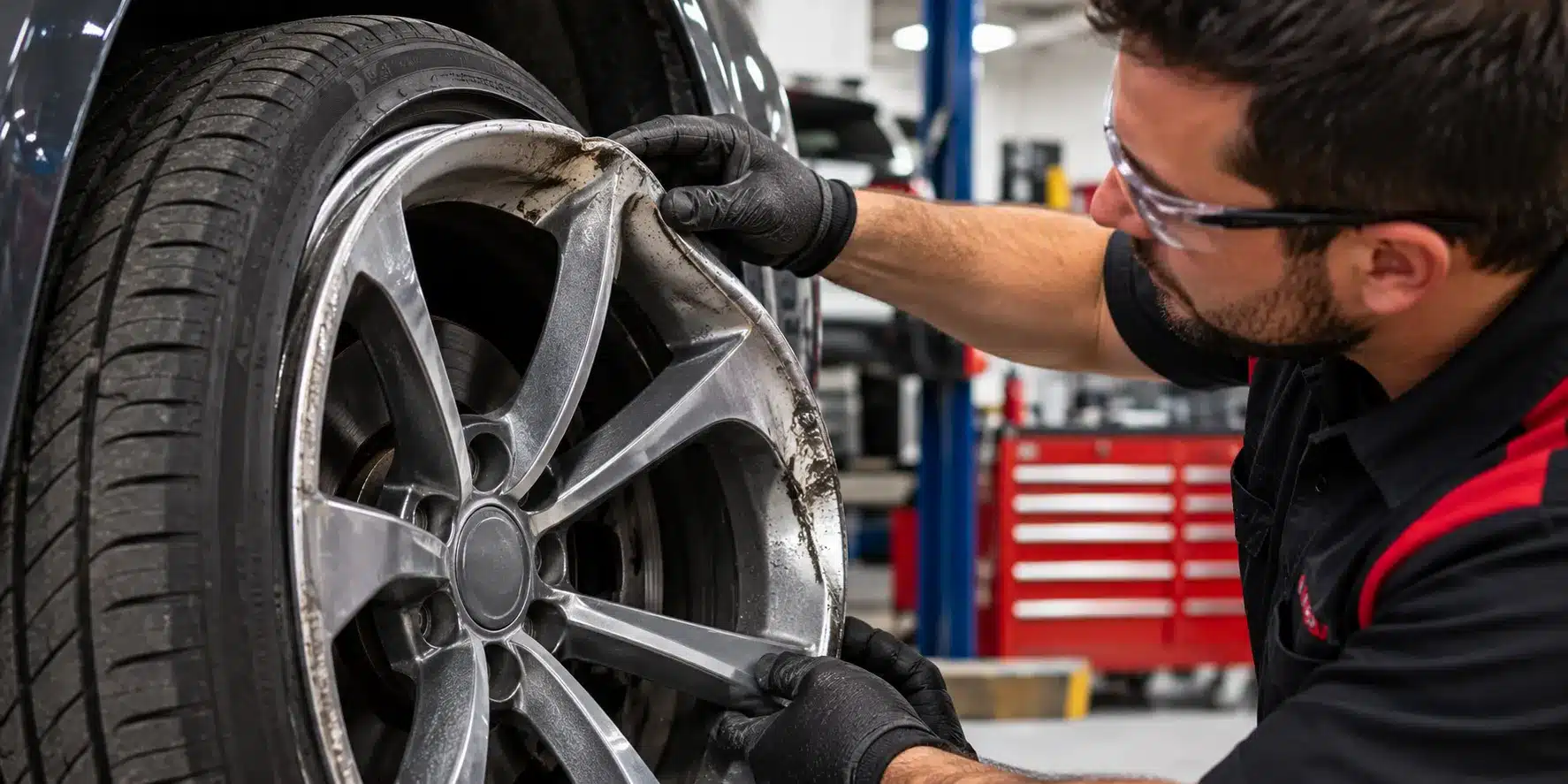
A bend changes the wheel’s shape. Do not assume straightening is permitted: the recommendation must account for manufacturer guidance and the particular wheel.
Curb Rash, Scratches and Gouges

Curb Rash, Scratches and Gouges

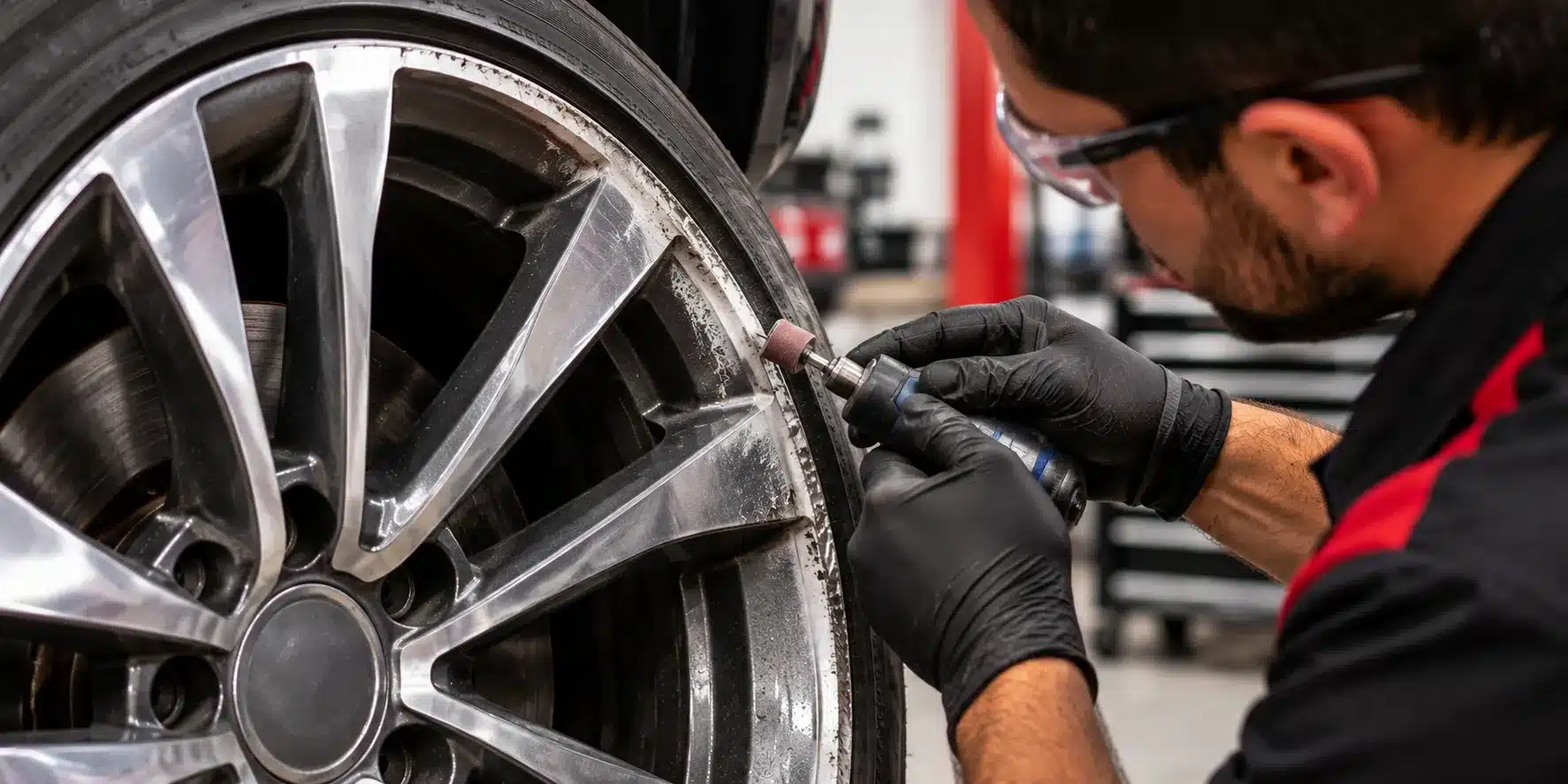
Curb rash repair depends on how deeply the damage extends. Marks limited to the coating differ from gouges that remove wheel material.
Pothole and Impact Damage

Pothole and Impact Damage

A road impact can affect the wheel and tire together. Describe the incident and any symptoms that appeared afterward.
Corrosion, Pitting and Finish Damage

Corrosion, Pitting and Finish Damage

Deteriorated paint or clearcoat may be a finish concern, while deeper pitting can involve the underlying metal. The extent of damage needs assessment.
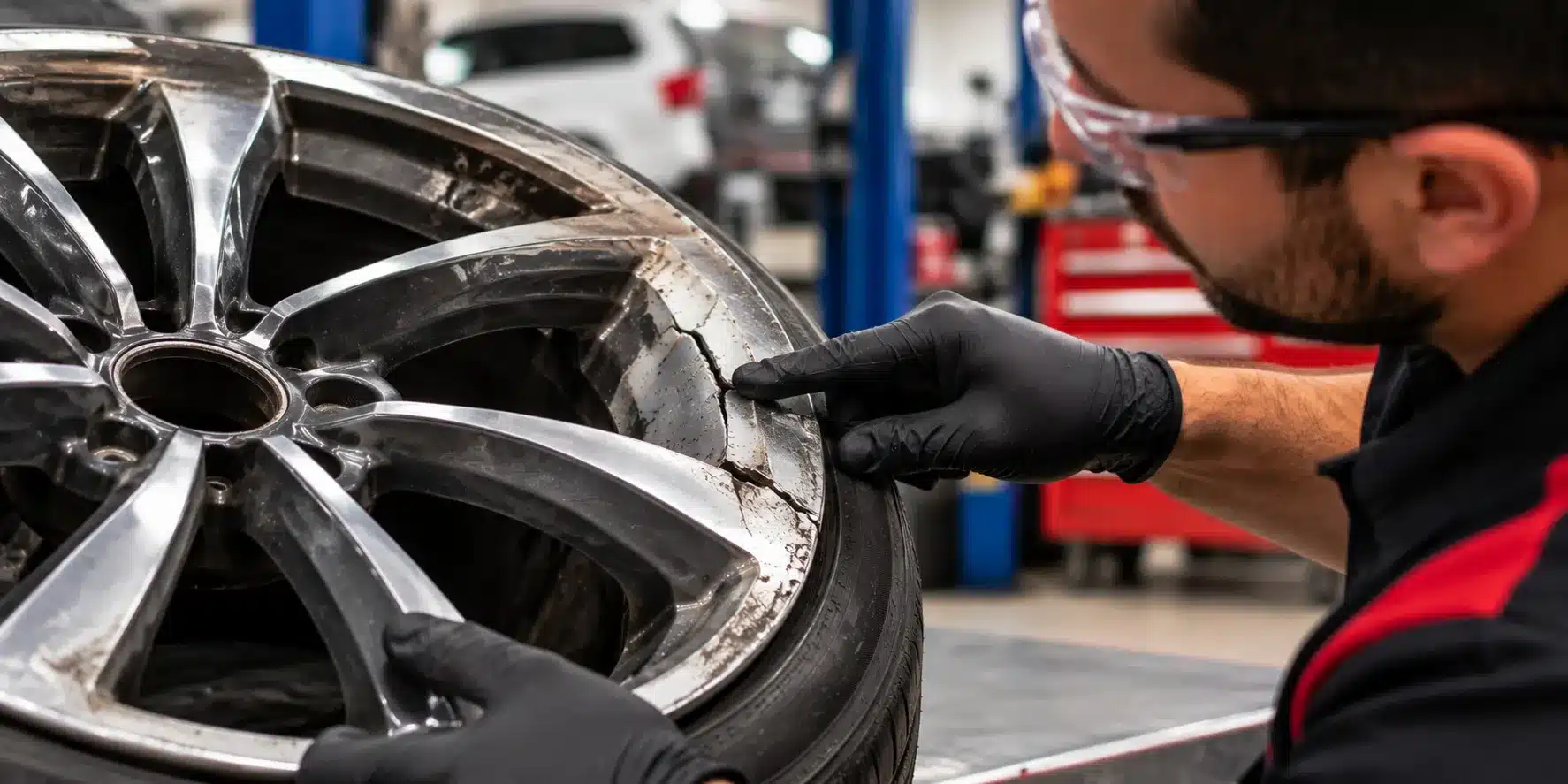
Cracked Wheels: When Repair May Not Be Appropriate

Cracked Wheels: When Repair May Not Be Appropriate

A crack is a structural concern. Replacement may be required, and welding should not be assumed to provide an acceptable repair.
Alloy Wheel Repair ✱ Curb Rash & Refinishing ✱ Repair or Replace Guidance ✱ Alloy Wheel Repair ✱ Curb Rash & Refinishing ✱ Repair or Replace Guidance ✱Alloy Wheel Repair ✱ Curb Rash & Refinishing ✱ Repair or Replace Guidance ✱ Alloy Wheel Repair ✱ Curb Rash & Refinishing ✱ Repair or Replace Guidance ✱
Bent Wheel Repair and Wheel Straightening

Bent Wheel Repair and Wheel Straightening

  • 1

    What Causes a Wheel to Bend? Potholes, curbs, and other road impacts can distort a wheel. The damage may not be obvious from the outside face.

  • 2

    What Are the Signs of a Bent Wheel? Visible distortion, vibration, or difficulty maintaining tire pressure can prompt a wheel assessment. These symptoms also have other possible causes.

  • 3

    Can a Bent Alloy Wheel Be Repaired? Repairability depends on the wheel and manufacturer guidance. Some manufacturers prohibit straightening, making replacement the appropriate recommendation.

  • 4

    Can a Bent Wheel Cause Vibration? A distorted wheel can contribute to vibration, but tire damage, imbalance, and other vehicle problems can produce similar symptoms.

  • 5

    When Should a Bent Wheel Be Replaced? Replacement is appropriate when damage falls outside permitted repair limits or compromises the wheel’s suitability for continued use.

Wheel Repair vs. Wheel Replacement

When Repair May Be an Option

Cosmetic work may be an option when damage is limited to an eligible finish, and the wheel otherwise meets the applicable requirements.

When Replacement May Be More Appropriate

Cracks, distortion, deep damage, or manufacturer restrictions can make replacement necessary. Appearance alone should not determine the decision.

How Damage Location and Severity Affect Repairability

Damage to the outer finish differs from damage around mounting points, spokes, or the area where the tire seats. Location and depth both matter.

Why a Professional Inspection Matters

An assessment helps identify the damage and determine which guidance applies. Photos are useful for an initial discussion but cannot establish repairability.

Alloy Wheel Repair

Alloy Wheel Repair

  • 1

    Common Damage to Alloy Wheels: Curb contact, road impacts, scratches, and finish deterioration are common reasons to request an assessment. Explain whether the concern is appearance, vehicle behavior, or both.

  • 2

    Alloy vs. Aluminum Wheel Repair: “Aluminum wheel” commonly refers to an aluminum-alloy wheel. These terms overlap rather than describing two completely separate repair categories.

  • 3

    OEM, Factory and Aftermarket Wheels: Provide the wheel brand or identifying information if available. Factory and aftermarket wheels may have different construction, finish, and repair restrictions.

  • 4

    Cosmetic vs. Structural Alloy Wheel Damage: A cosmetic repair changes the finish. It does not correct a crack, restore distorted metal, or establish structural integrity.

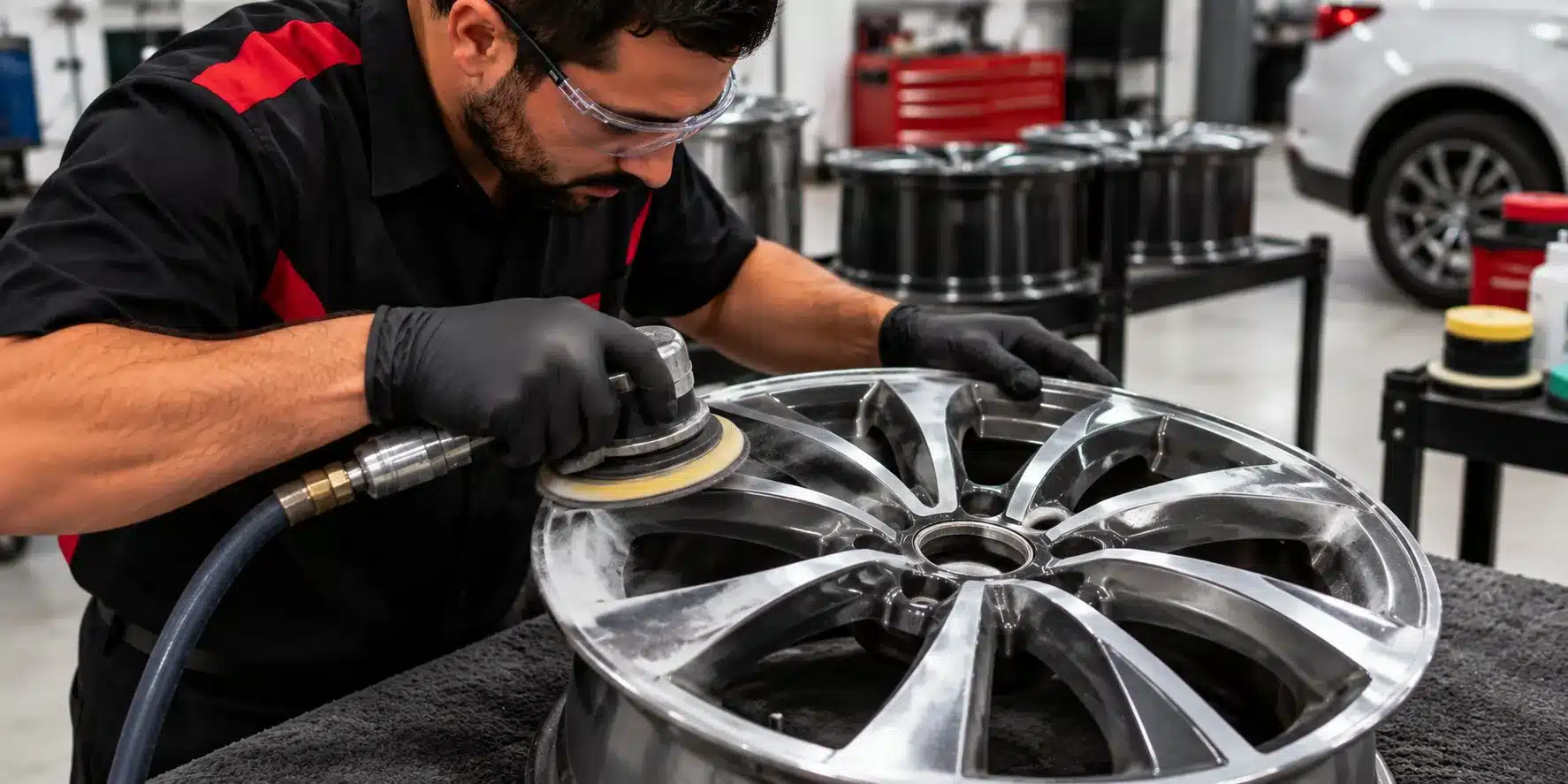
Wheel Refinishing and Cosmetic Repair

Repairing Curb Rash and Scratches

Ask whether the marks are limited to the finish and suitable for the cosmetic work available. Not every curb-damaged wheel is a refinishing candidate.

Repairing Gouges and Surface Damage

Deep gouges need assessment before any cosmetic work is considered. Damage involving the metal may fall outside permitted repair limits.

Restoring a Damaged Wheel Finish

Discuss the existing finish and available options with Capitol Collision. Confirm suitability before assuming the wheel can be refinished.

Wheel Color and Finish Matching

Provide clear photos of the affected wheel and the other wheels. Ask about matching expectations and any limitations of the available finish process.

When Refinishing Is Different From Structural Repair

Wheel refinishing addresses appearance and coating condition. It should not be described as a solution for cracks or wheel distortion.

Is It Safe to Drive on a Damaged Wheel?

Is It Safe to Drive on a Damaged Wheel?

Safety cannot be determined from a description or photo alone. Cracks, severe distortion, pressure loss, or significant handling changes require prompt attention.

  • 1

    Damage That Should Be Inspected Promptly: Visible cracks, substantial impact damage, and continuing pressure loss should be assessed before normal use continues.

  • 2

    Cracks, Severe Bends and Structural Concerns: Do not continue driving on a visibly cracked or severely distorted wheel. Contact the shop to discuss assessment and appropriate transport.

  • 3

    Vibration or Handling Changes After an Impact: New vibration or handling changes may involve the wheel, tire, suspension, or other components. A broader assessment may be needed.

  • 4

    Why Visual Inspection Alone May Not Be Enough: The inner wheel surface and tire-contact areas may not be visible while the wheel is installed. A minor-looking outer mark can accompany other damage.

How the Wheel Repair Process Works

1. Initial Wheel and Tire Damage Assessment

Discuss the incident, visible damage, symptoms, and affected wheel. Identify whether further examination is needed.

2. Identifying Cosmetic vs. Structural Damage

Distinguish finish concerns from damage to the wheel’s material or shape.

3. Determining Whether Repair Is Appropriate

Consider the wheel’s condition and applicable manufacturer guidance before recommending cosmetic work or replacement.

4. Performing the Appropriate Repair or Refinishing

Confirm the available service and agreed scope before work begins. Structural repair should not be assumed to be included.

5. Final Inspection

Review the completed work against the agreed scope and identify any remaining concerns.

6. Reinstallation and Final Checks Where Applicable

Confirm whether removal, tire handling, reinstallation, and related checks are included or require separate arrangements.

What Causes Wheel Damage?

Potholes and Road Impacts

Road impacts can damage a tire, wheel, or both. Report symptoms even when the outer wheel face looks unchanged.

Curbs and Parking Impacts

Curb contact can scratch the finish or cause deeper damage. Severity depends on the contact and affected area.

Collision Damage

Wheel damage may form part of a larger accident repair. Discuss related damage through Capitol Collision’s collision repair services.

Road Debris and Everyday Driving

Debris and unexpected road hazards can leave marks or cause impact damage. Describe the event when requesting an assessment.

Corrosion and Environmental Exposure

Exposure and deteriorated coatings can affect wheel appearance. Inspection helps distinguish finish deterioration from deeper damage.

How Much Does Wheel Repair Cost?

How Much Does Wheel Repair Cost?

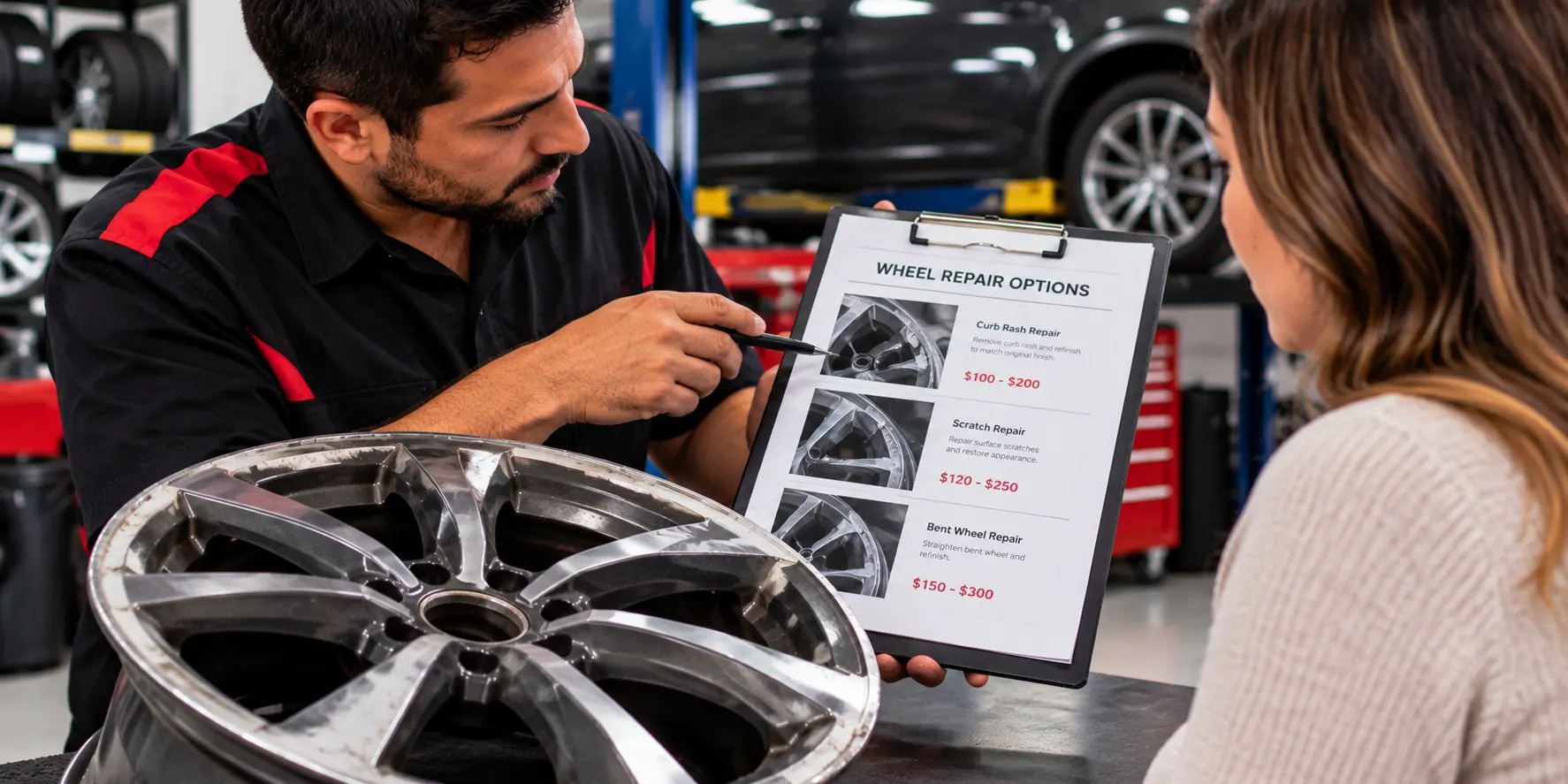
Wheel repair cost depends on the wheel, damage, permitted work, and finish requirements. An assessment provides a better basis than a universal price.

  • 1

    Wheel Type and Material: Wheel construction and finish can affect which work is appropriate and available.

  • 2

    Type and Severity of Damage: A finish scratch and a wheel requiring replacement involve different recommendations and costs.

  • 3

    Cosmetic Repair vs. Structural Repair: Confirm whether the estimate concerns cosmetic work or replacement. Do not assume structural repair is permitted or offered.

  • 4

    Number of Wheels Being Repaired: Identify each affected wheel and its condition. Multiple wheels may need different recommendations.

  • 5

    Refinishing and Finish Requirements: Finish type and matching expectations can affect the proposed work. Confirm available options during assessment.

  • 6

    Why an Inspection or Estimate Is More Accurate Than a Fixed Price: Damage depth, location, and wheel identification may not be clear from a brief description. Assessment helps define the scope.

How Long Does Wheel Repair Take?

Timing depends on assessment, the approved work, finish requirements, and any replacement needs.

Why Repair Time Varies

Different wheels and damage types require different decisions and preparation.

Damage Type and Repair Method

An eligible cosmetic repair and a replacement project may have different schedules.

Number of Wheels

Tell Capitol Collision how many wheels are affected and discuss vehicle availability during service.

Refinishing and Parts Requirements

Finishing requirements or replacement availability can affect completion time. Confirm the schedule once the scope is established.

Wheel Repair in Willimantic, CT

Local Wheel Repair for Willimantic Drivers

Capitol Collision provides a local contact for discussing wheel repair, cosmetic damage, and repair-versus-replacement questions.

Serving Genuine Eastern Connecticut Customers

Drivers in Eastern Connecticut can call with vehicle details and a description of the damage before arranging an appointment.

Connecting Wheel Repair With Related Automotive Services

If the same incident damaged surrounding panels or bumpers, discuss auto body repair alongside the wheel concern.

Why Choose Capitol Collision for Wheel Repair?

A Condition-Based Approach to Wheel Damage

Begin with what is damaged and which work is appropriate. A repair request should not automatically become a promise to repair.

Clear Repair-or-Replacement Guidance

Ask for an explanation of the recommendation, including finish limitations and applicable manufacturer restrictions.

Verified Wheel Repair Capabilities

Capitol Collision lists Alloy Wheel Repair as a service. Confirm the specific work available for your wheel before arranging delivery.

A Straightforward Estimate and Service Process

Provide vehicle and wheel details, describe the damage, and arrange an assessment to establish scope, cost, and timing.

Wheel Repair FAQs

That depends on manufacturer guidance and the wheel’s condition. Some manufacturers prohibit straightening, so replacement may be required.

A cracked wheel requires structural assessment and may need replacement. Do not assume welding is an approved or available repair.
Some damage limited to the finish may be suitable for cosmetic work. Deep gouges or metal damage require a different recommendation.

Yes, wheel distortion can contribute to vibration. Tires, imbalance, and other vehicle issues can also cause similar symptoms.

That cannot be established remotely. A visibly severe bend, pressure loss, or handling change warrants prompt assessment and a discussion about transport.

Cost depends on the wheel, damage, finish, and appropriate work. Contact Capitol Collision for an assessment and estimate.

The schedule depends on the agreed service, finish requirements, number of wheels, and replacement availability.

Eligible cosmetic damage may be repairable, while cracks, distortion, or manufacturer restrictions can require replacement.

Some finish scratches may be suitable for refinishing. Confirm the wheel’s condition, finish type, and available service first.

Repairability varies by wheel and manufacturer guidance. Provide identifying information so the correct requirements can be considered.

Request a Wheel Repair Estimate

  • Tell Us About the Wheel Damage: Describe the impact, scratches, corrosion, or other concern. Mention any vibration, pressure loss, or handling changes.

  • Provide Vehicle and Wheel Details: Include the vehicle’s year, make, model, affected wheel position, and wheel brand or size if known.

  • Share Photos if Accepted: Clear photos can help introduce the concern. They do not replace an inspection or establish whether the wheel is safe or repairable.

  • Schedule an Assessment

Call 860-423-4516 or request a wheel repair assessment to discuss the next step.

Address: 109 Capitol Drive, Willimantic, CT 06226
Hours: Mon-Fri 8:00am – 5:00pm

Request a free quote