Painting · Paint Matching · Refinishing

Auto Body Painting in Willimantic, CT

Scratched paint, a damaged bumper, or a newly repaired panel can leave your vehicle’s finish looking incomplete. Capitol Collision provides auto body painting and refinishing in Willimantic, CT, helping drivers address paint damage and finish body repairs.

Our painting capabilities include paint matching and refinishing affected areas. Whether the concern follows an accident or involves worn paint, an assessment helps determine the preparation and painting required.

Contact our team to discuss your vehicle’s condition and request a free auto body painting estimate.

Automotive Refinishing

Professional Auto Body Painting & Refinishing

Automotive refinishing involves preparing an affected surface and applying the appropriate finish. Depending on the damage, the work may include body repairs, sanding, priming, color matching, painting, and a protective clear coat.

Painting one repaired panel differs from repainting a larger portion of a vehicle. The scope depends on the damage, existing finish, and any blending needed around the repair.

Preparation matters because paint cannot correct an uneven panel or failing surface beneath it. Professional auto painting starts with identifying and addressing those underlying conditions.
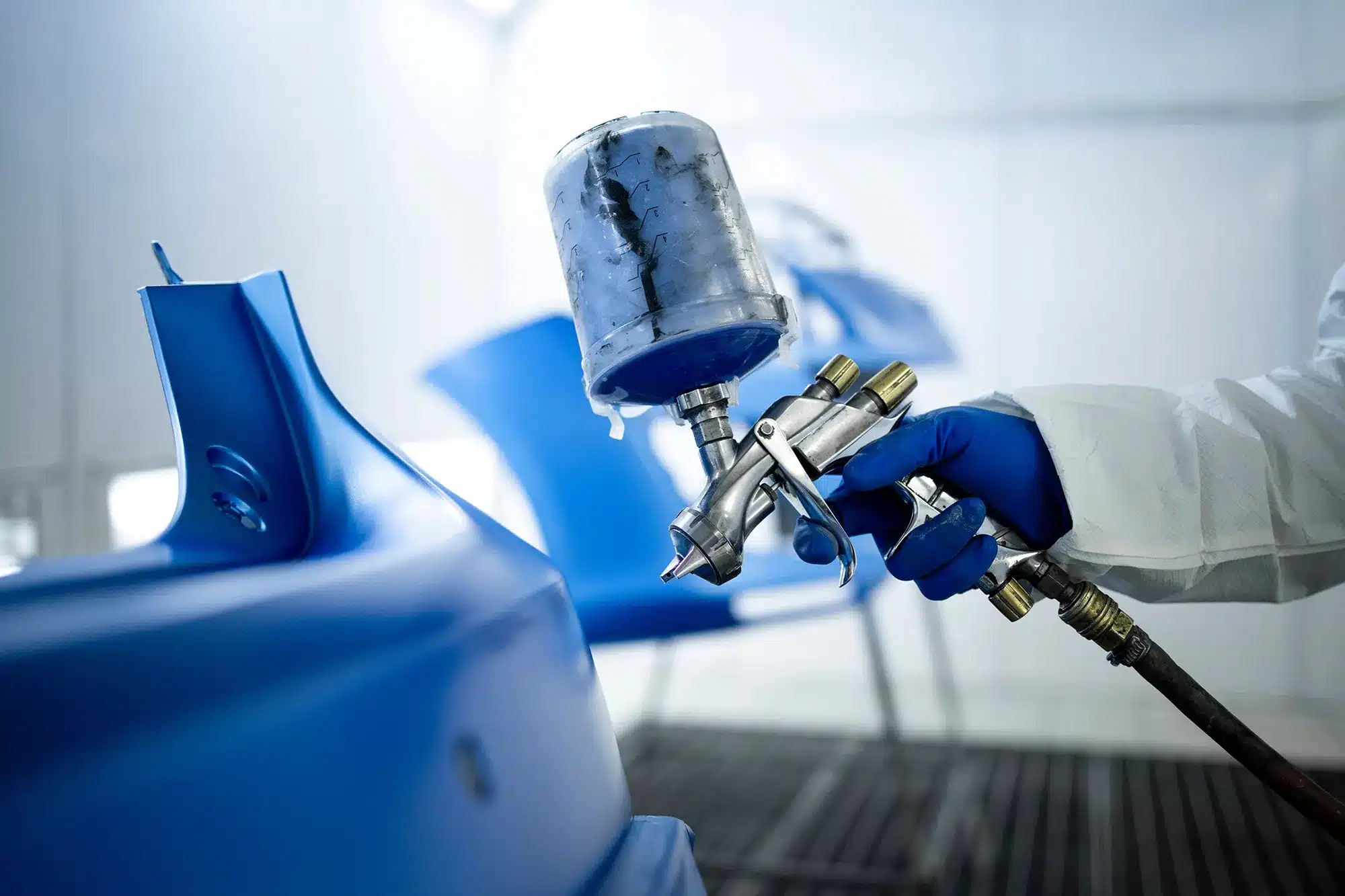
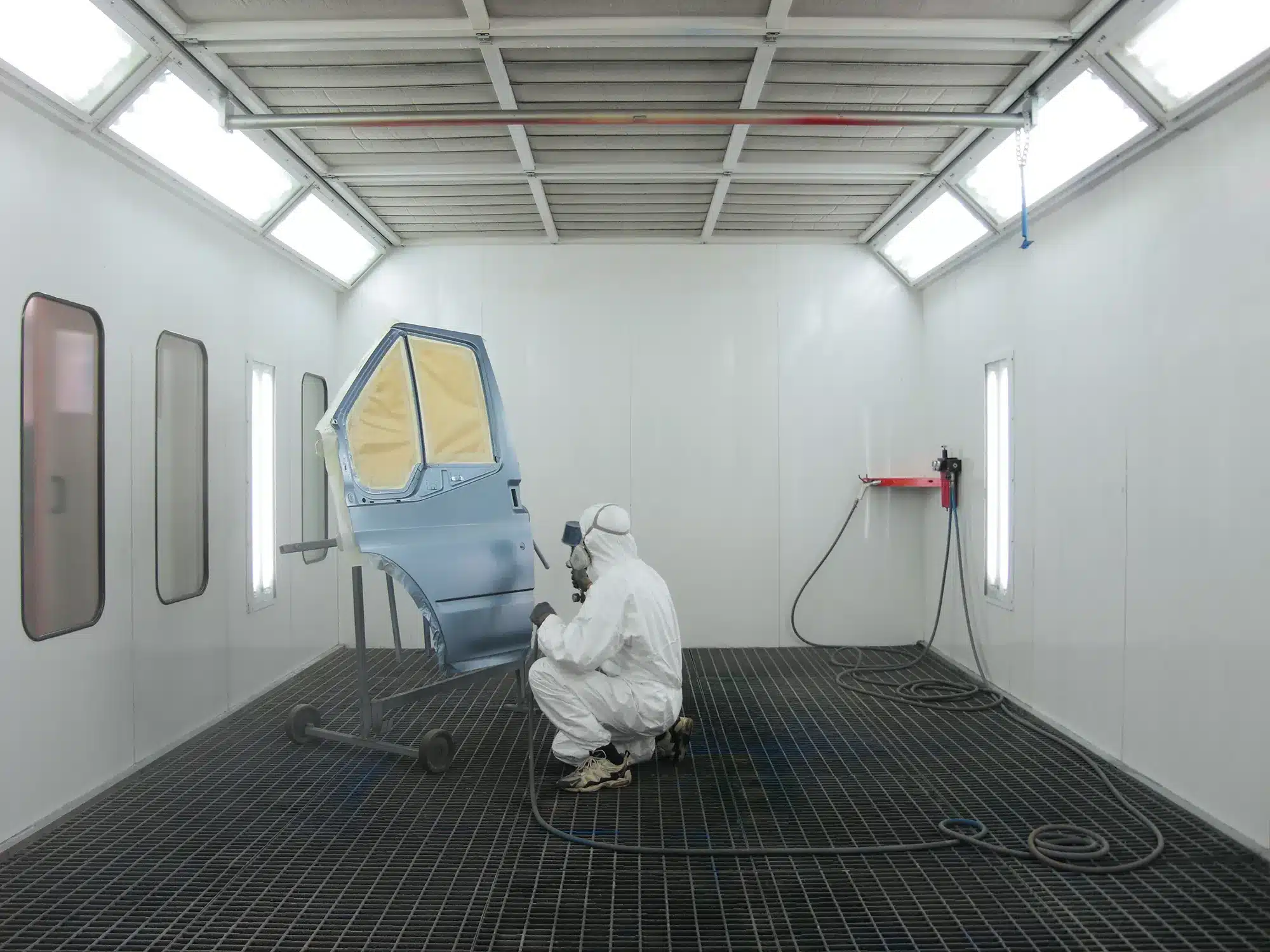
Painter applying color in a downdraft paint booth
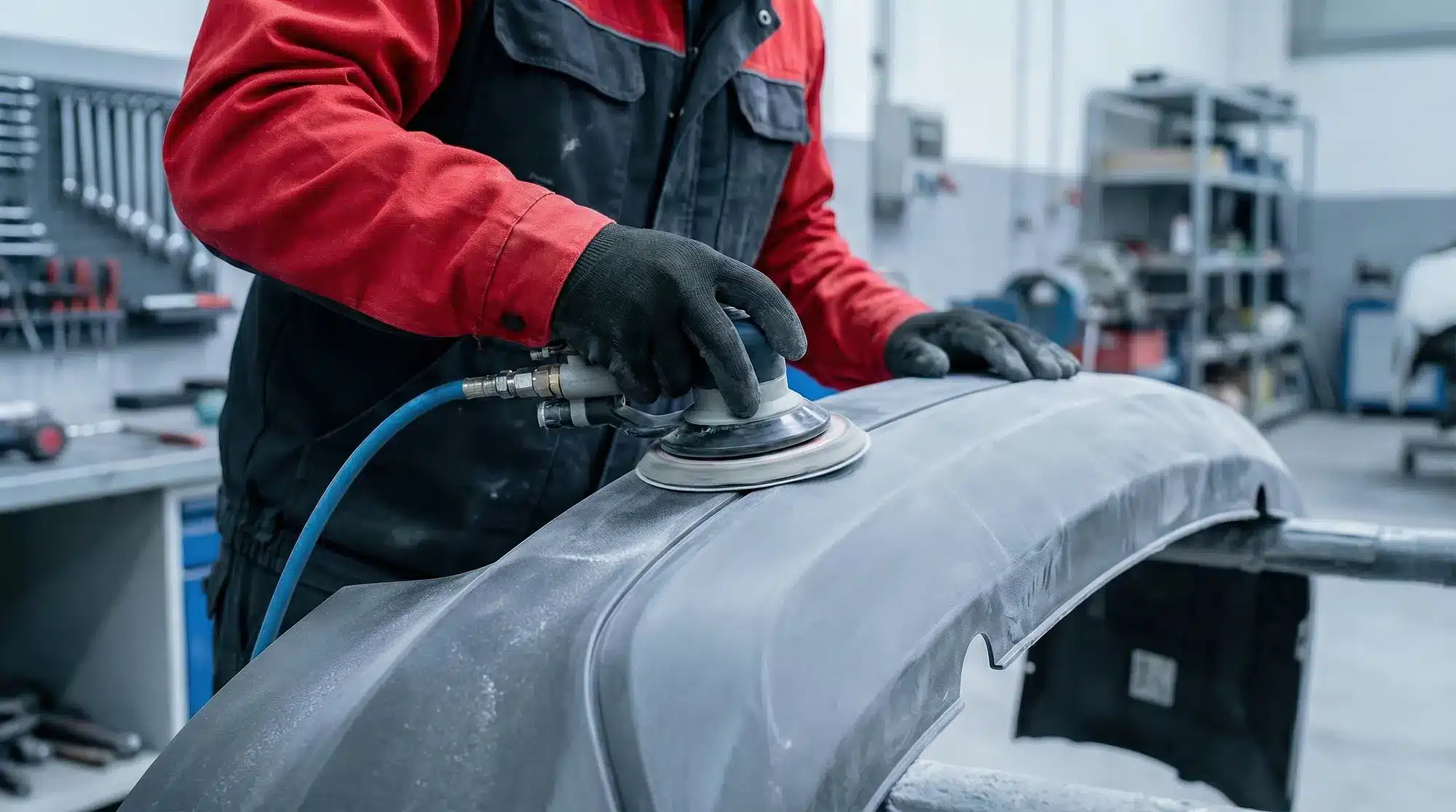
Technician sanding a panel before painting

When Does a Vehicle Need Auto Body Painting?

Ask our team to assess the finish before deciding on a repair.

After a Collision or Body Repair

An impact can damage paint as well as the panel underneath it. Once dents or damaged components are addressed, collision paint repair completes the refinishing work on affected areas.

Scratches, Chips and Localized Paint Damage

Some scratches and chips extend through the finish and require more than cleaning or polishing. An assessment helps determine whether localized auto paint repair or broader panel refinishing is appropriate.

Faded, Oxidized or Peeling Paint

A dull surface and peeling paint do not always require the same treatment. Some surface defects may respond to polishing, while deteriorated paint or clear coat may need refinishing.

Replacing or Repairing a Body Panel

A repaired or replacement bumper, fender, door, or other panel may require painting. The work should account for the panel’s material, surface condition, and surrounding vehicle color.

Auto Body Painting Services

Painter refinishing a single body panel
Panel Painting and Spot Repairs

Panel painting addresses an individual section of the vehicle. Smaller areas of paint damage may be candidates for localized repairs, depending on their location and the finish involved.

Our team can explain whether the work should remain localized or extend across a panel.

Bumper being prepared for refinishing
Bumper, Fender, Door and Other Panel Refinishing

Body repairs can involve bumper painting, fender painting, door painting, and refinishing other affected panels.

The preparation required varies by component. A replacement bumper and a repaired metal door may need different surface treatments before painting.

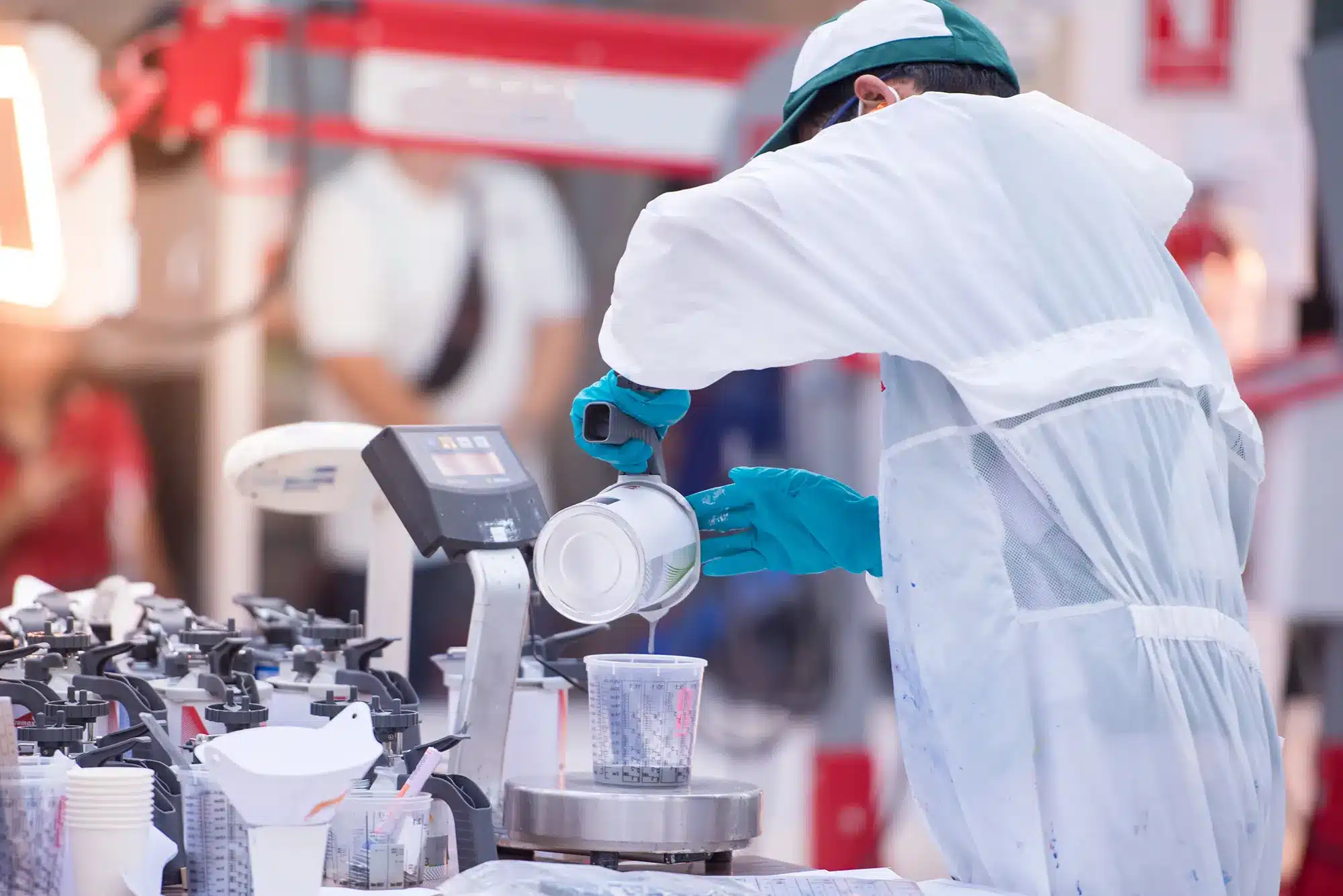
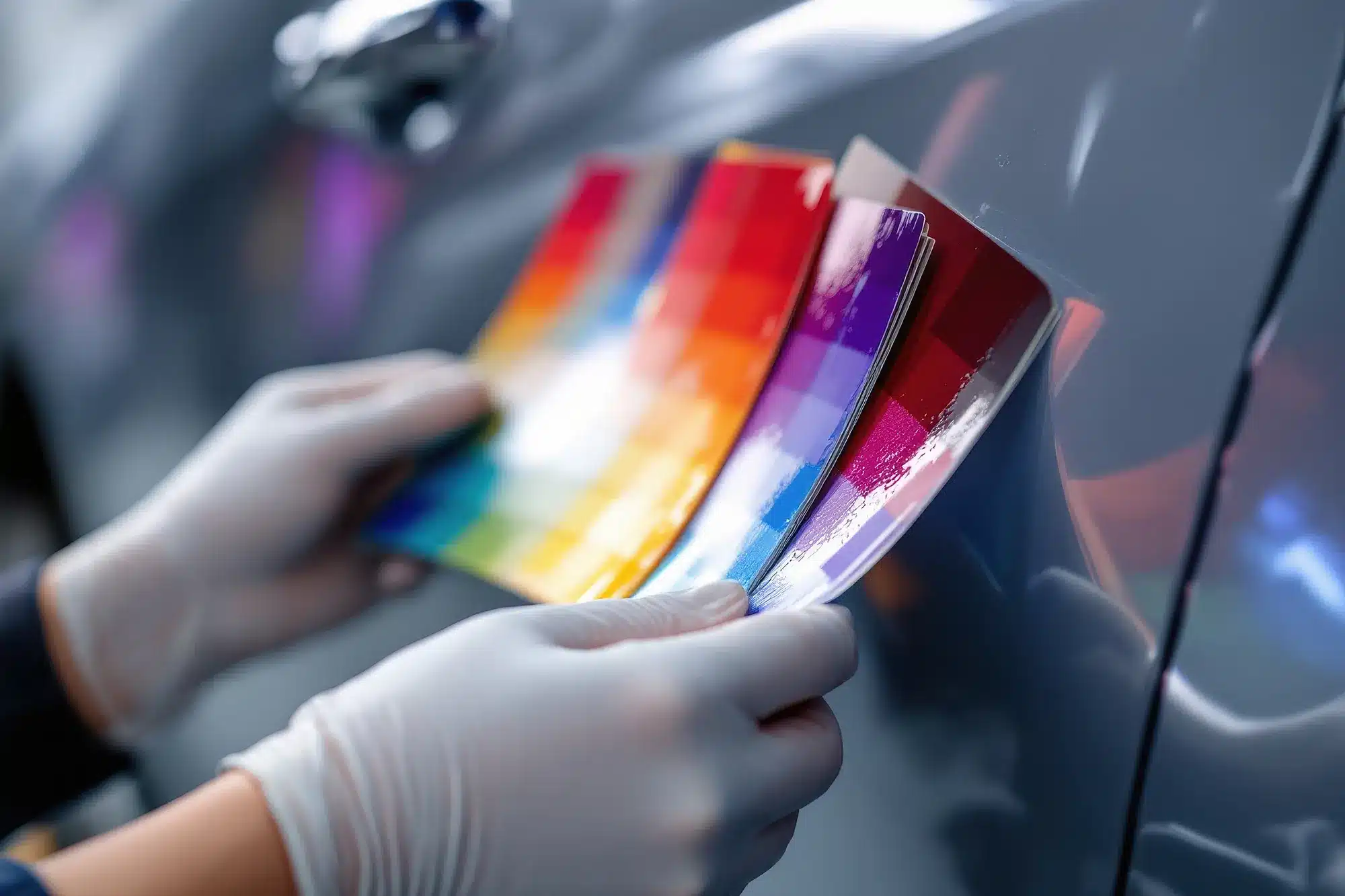
Paint color matching swatches against a vehicle
Paint Matching and Blending
Automotive paint matching helps coordinate the repair color with the existing vehicle finish. Where appropriate, paint blending extends the color transition into surrounding areas to reduce a noticeable difference between panels.
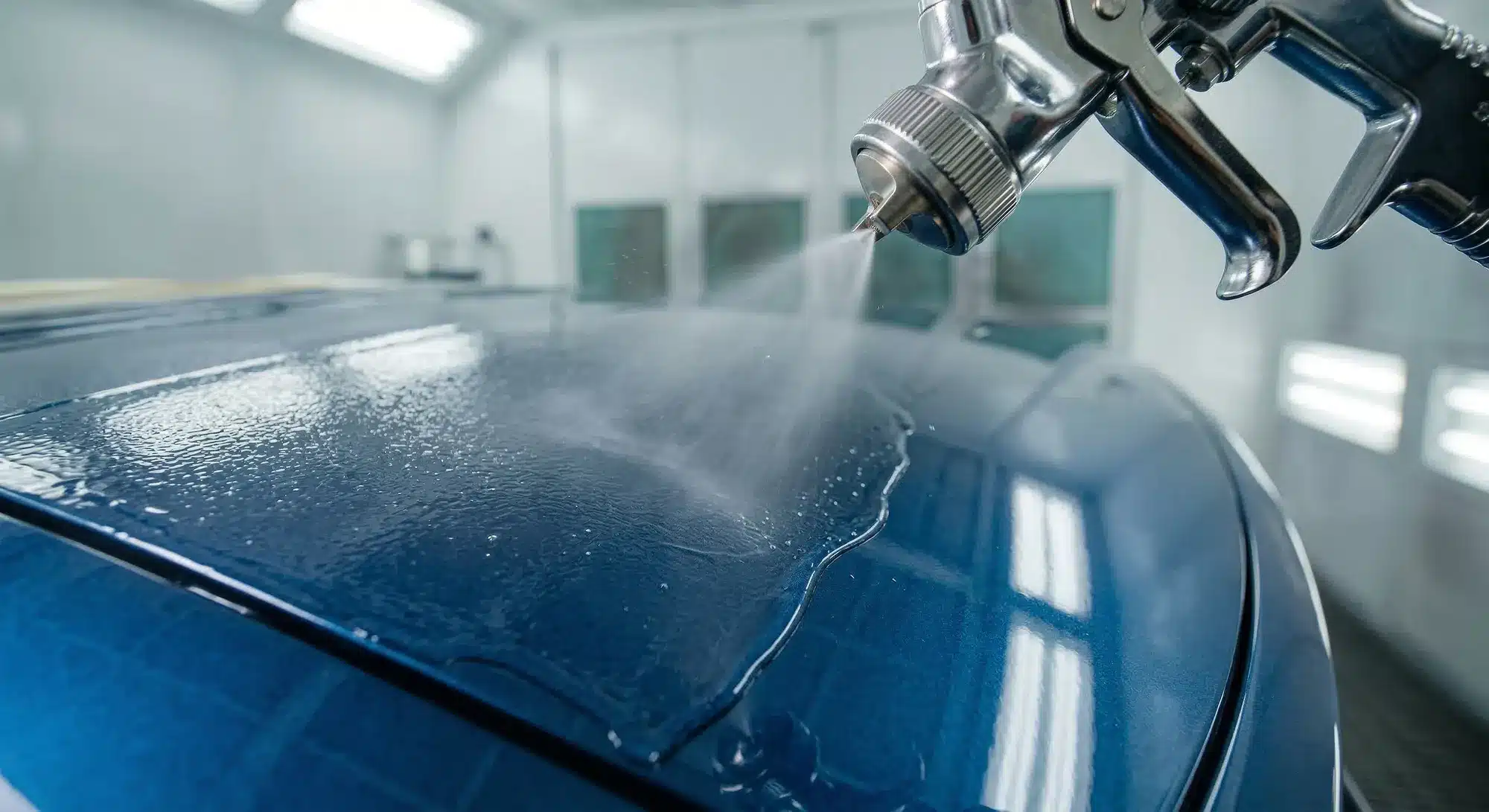
Glossy clear coat finish on a refinished panel
Clear Coat and Final Finish

On vehicles with a basecoat and clear-coat finish, the clear coat forms the transparent top layer over the color. It contributes to gloss and protects the underlying color layer.

The refinishing approach should suit the vehicle’s paint system and repair requirements.

How Auto Body Painting Works

Each stage builds on the one before it, from the underlying repair to the final finish.
1. Vehicle and Paint Damage Assessment

The affected area is assessed for paint damage, panel damage, and the condition of the existing finish. Describe how the damage occurred and identify any previous repairs you know about.

2. Repairing Underlying Body Damage

Dents, distorted panels, or damaged components may need attention before painting. Refinishing follows the necessary body repairs.

3. Surface Preparation

Preparation can involve cleaning, sanding, smoothing repaired areas, and removing unstable material. This creates a suitable surface for the next layers.

4. Primer or Sealer Where Required

Primer or sealer may be needed depending on the exposed material and refinishing system. These layers serve different purposes and are applied according to the repair requirements.

5. Color Matching

The vehicle’s paint code provides a starting point. The existing finish also needs consideration because age, prior repairs, and weathering can affect its appearance.

6. Paint Application

Color is applied to the prepared area. Capitol Collision’s published capabilities include a heated downdraft paint booth for refinishing work.

7. Clear Coat or Final Finish

The appropriate finishing layers are applied according to the paint system. Drying and curing requirements also affect when the vehicle is ready.

8. Final Inspection

Completed paint work should be reviewed for finish quality and consistency with surrounding areas. At pickup, ask about care instructions for newly refinished surfaces.

Paint Matching ✱ Panel Refinishing ✱ Collision Paint Repair ✱ Paint Matching ✱ Panel Refinishing ✱ Collision Paint Repair ✱Paint Matching ✱ Panel Refinishing ✱ Collision Paint Repair ✱ Paint Matching ✱ Panel Refinishing ✱ Collision Paint Repair ✱
Comparing a paint sample to the vehicle finish

Why Paint Matching Matters

A color name or paint code alone does not explain everything about a vehicle’s visible finish. Age, sun exposure, previous paint work, and lighting can influence how the color appears.

Car paint matching considers the existing finish as well as the original color information. Blending may be appropriate when painting an adjacent area helps create a smoother visual transition.

The goal is a coordinated finish. An exact match under every lighting condition should not be assumed or guaranteed.

Auto Body Painting After an Accident

Paint work is one stage of repairing accident damage. A damaged panel may first need reshaping, replacement, or alignment before preparation and refinishing begin.

Capitol Collision provides body repair and collision services alongside painting. This allows the affected panel and its finish to be considered within the same repair plan.

For insurance-related repairs, our team offers claim assistance and welcomes all insurance carriers. Your insurer determines coverage, deductibles, and any authorization requirements.

Paint Repair vs. Auto Detailing

Auto detailing focuses on cleaning and refreshing vehicle surfaces. It can remove dirt that obscures the paint’s appearance, but cleaning does not replace missing paint or repair peeling clear coat.

Vehicle paint repair addresses damage within the finish itself. If the surface remains scratched, chipped, or deteriorated after cleaning, an assessment can help identify the appropriate next step.

Paint Repair vs. Paint Correction

Paint correction uses polishing techniques to reduce certain surface defects, such as some light scratches or swirl marks.

Auto body refinishing involves preparing and repainting affected areas. It may be needed for deeper scratches, damaged panels, or failing paint layers.

These approaches serve different purposes. Discuss the condition of your finish before assuming polishing or repainting is necessary.

How Much Does Auto Body Painting Cost?

Auto body painting cost depends on the repair scope. Factors include:

  • Size and location of the damaged area

  • Number of panels involved

  • Required body repairs or replacement parts

  • Condition of the existing paint

  • Surface preparation

  • Paint color and finish requirements

  • Blending into adjacent areas

Contact Capitol Collision for a painting estimate based on your vehicle. Ask the team to explain the proposed work and any conditions that could change the estimate.
Estimator reviewing paint damage on a vehicle
Vehicle drying in a heated paint booth

How Long Does Auto Body Painting Take?

Timing depends on body repairs, parts availability, preparation, painting, drying or curing, and inspection.

A localized repair has different requirements from work involving several damaged panels. Insurance review may also affect the schedule when painting is part of a claim.

Ask for an expected completion date after the assessment. Avoid planning around a fixed turnaround before the repair scope is established.

Auto Body Painting for Different Makes and Models

Capitol Collision welcomes all makes and models, including cars, SUVs, and trucks.

Your vehicle’s paint code, age, existing finish, and previous repairs help inform the refinishing plan. Provide the year, make, and model when contacting the shop, along with photos of the affected areas if available.

Why Choose Capitol Collision for Auto Body Painting?

Body Repair and Refinishing Capabilities

Paint damage and panel damage often occur together. Capitol Collision provides body repair and painting services, allowing both needs to be discussed during the assessment.

Paint-Matching Equipment

Our published capabilities include a paint-matching system to support refinishing work and coordination with the existing vehicle color.

Dedicated Painting Environment

Capitol Collision lists a heated downdraft paint booth among its equipment. A dedicated painting environment supports controlled paint application and drying.

Automotive Repair Experience

Our team’s published business information describes repair experience and ongoing industry and manufacturer training. Contact us to discuss the requirements for your vehicle.

Auto Body Painting in Willimantic, CT

For auto body painting in Willimantic, contact Capitol Collision to discuss damaged paint, repaired panels, and refinishing needs.

Our shop provides a local point of contact for vehicle owners in Eastern Connecticut. Call ahead to arrange an assessment and confirm estimate availability, drop-off instructions, and current shop hours.

Frequently Asked Questions About Auto Body Painting

Paint-matching methods use original color information and an assessment of the existing finish. Capitol Collision offers paint matching, with blending considered where appropriate.

Individual panel painting may be appropriate. The repair can also involve adjacent areas when blending is needed to coordinate the finish.

It depends on the bumper and the repair. A painted bumper may need refinishing if the damage or repair affects its finish.

The affected areas are assessed, necessary body repairs are completed, and the surface is prepared. Primer or sealer may be applied before the color layers.

Preparation provides a suitable foundation for the finish. Uneven repairs, contaminants, or unstable old paint can affect the appearance and performance of new paint.

Clear coat is the transparent top layer used in many automotive paint systems. It contributes gloss and protects the color layer underneath.

Some deteriorated finishes can be refinished. The assessment determines which layers are affected and how much preparation is required.

Deep scratches may require surface repair, preparation, and refinishing. Painting over an unprepared scratch may leave the defect visible.

Cost depends on the damaged area, preparation, body repairs, finish, and blending requirements. Request an estimate for your vehicle’s condition.

Timing varies with the repair scope, parts, preparation, painting, curing, and inspection. The team can discuss an expected schedule after assessing the work.

Coverage depends on your policy and claim. Paint work may be included when it is part of an approved collision repair. Confirm coverage and payment responsibilities with your insurer.

Painting replaces or restores affected finish layers. Paint correction polishes the existing finish to reduce certain surface defects without repainting.

Request an Auto Body Painting Estimate

Find out what your vehicle’s finish needs. Contact Capitol Collision in Willimantic, CT, to discuss the affected areas and request a free auto body painting estimate.

Have the following ready:

  • Vehicle year, make, and model
  • Photos and a description of the paint damage
  • Information about previous repairs, if known
  • Insurance claim details, if applicable
  • Your preferred assessment dates

Request a free quote