Antique & Classic Vehicles · Willimantic, CT

Antique Vehicle Restoration in Willimantic, CT

An older vehicle can hold years of memories—or represent a project you have always wanted to finish. Bringing it closer to your goals starts with understanding its condition, identifying the work required and establishing a practical restoration plan.

Capitol Collision offers antique vehicle restoration in Willimantic, CT. Contact our team to discuss your vehicle’s body, finish and interior, along with any additional work your project may require.

Whether you want selected improvements or a broader restoration, begin with your vehicle’s history, photographs and intended outcome. Call 860-423-4516 or request an initial restoration consultation.

Antique & Classic Restoration

Professional Antique & Classic Vehicle Restoration

Who This Restoration Service Is For

This service is for owners ready to discuss an older vehicle’s damaged bodywork, deteriorated finish or worn interior. Bring us your restoration goals, whether the vehicle is a family keepsake, an unfinished project or a classic you want to enjoy again.

Antique, Vintage, Classic and Collector Vehicles

For an antique car, vintage vehicle or collector vehicle inquiry, provide the year, make, model and body style. Confirm project suitability before arranging delivery; the vehicle’s age alone does not establish its repair requirements.

Restoration Projects Based on Vehicle Condition and Owner Goals

An appearance refresh and an extensive restoration involve different decisions. Explain the condition you want to achieve, what you want to retain and how you plan to use the vehicle so the proposed scope reflects your priorities.
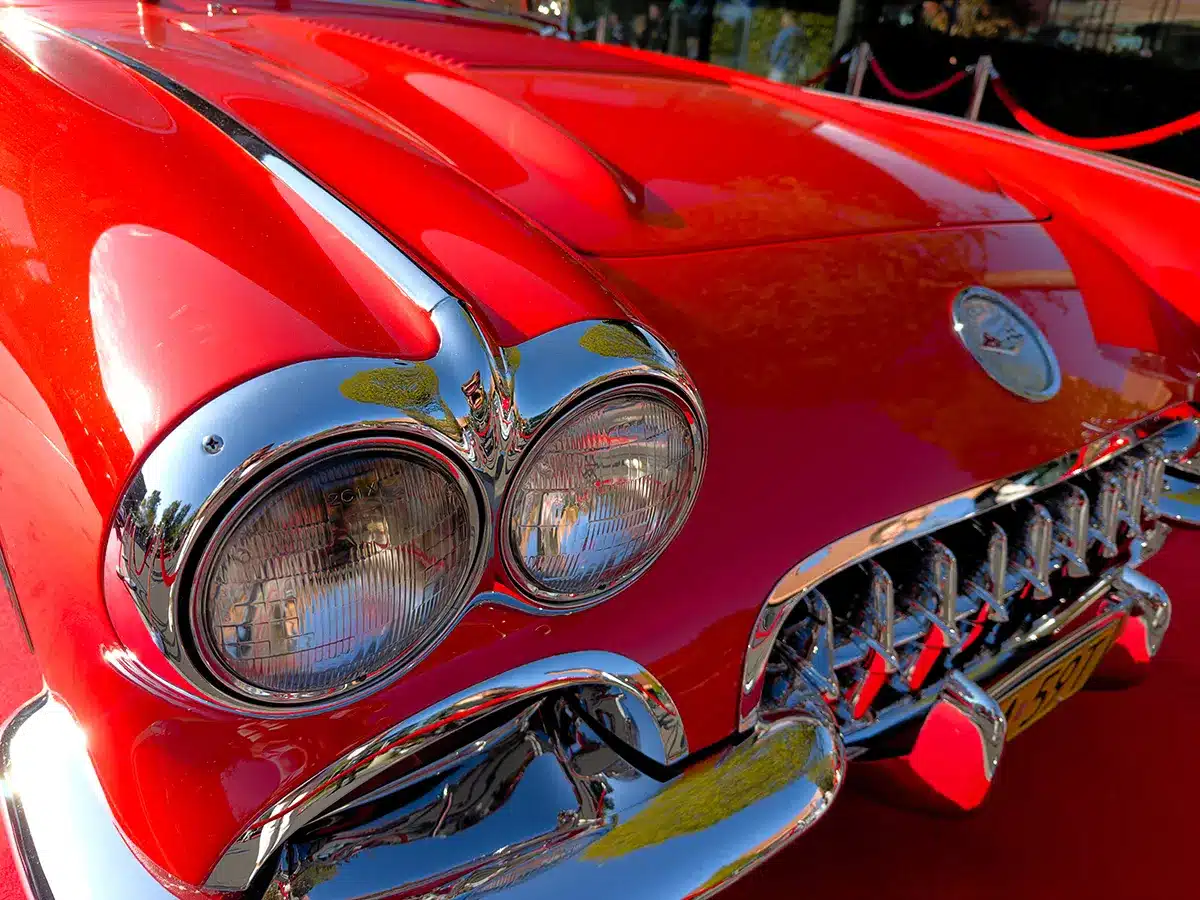
Classic car being refinished
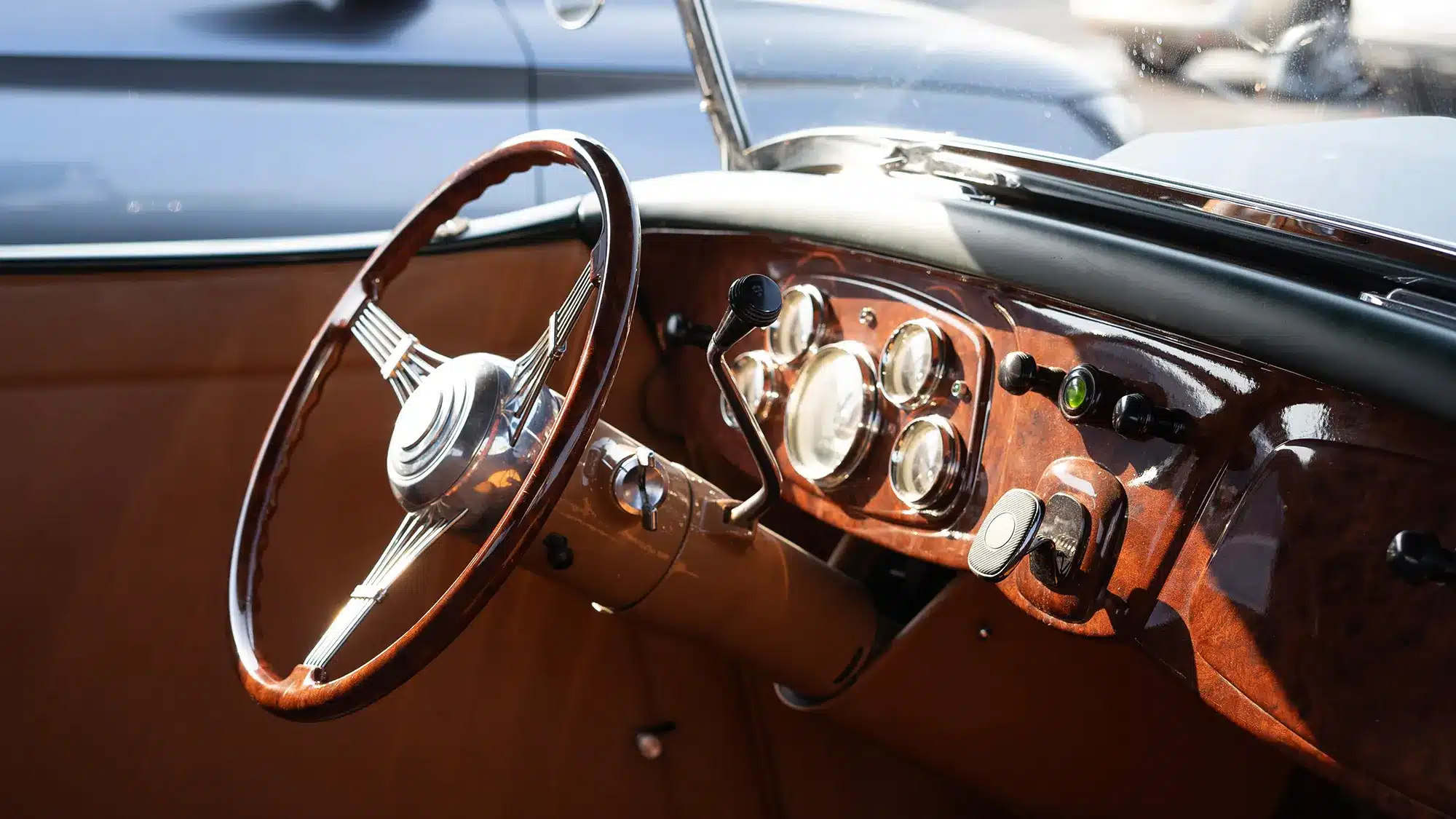
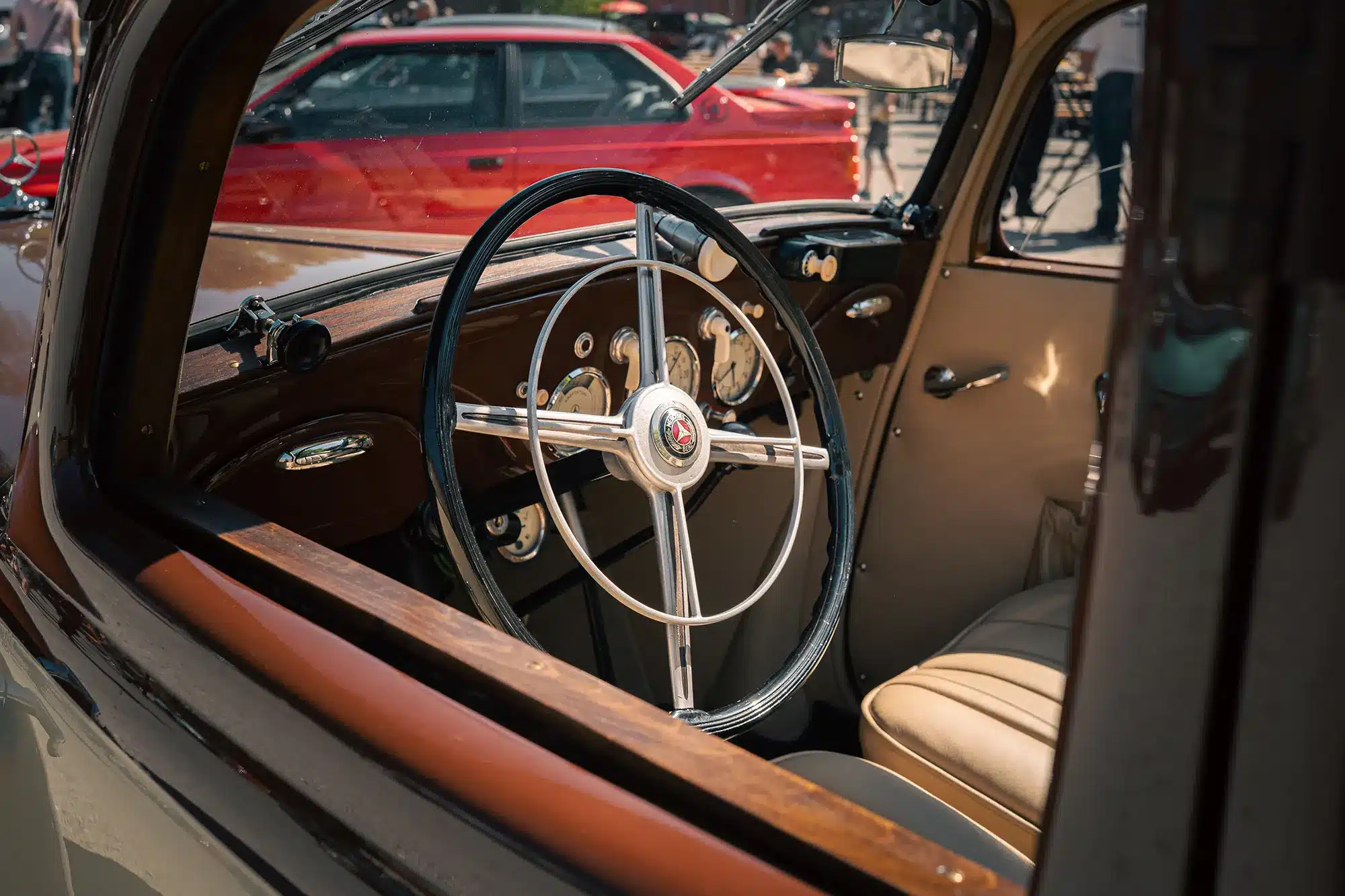
Vintage interior and trim

What Does Our Restoration Service Include?
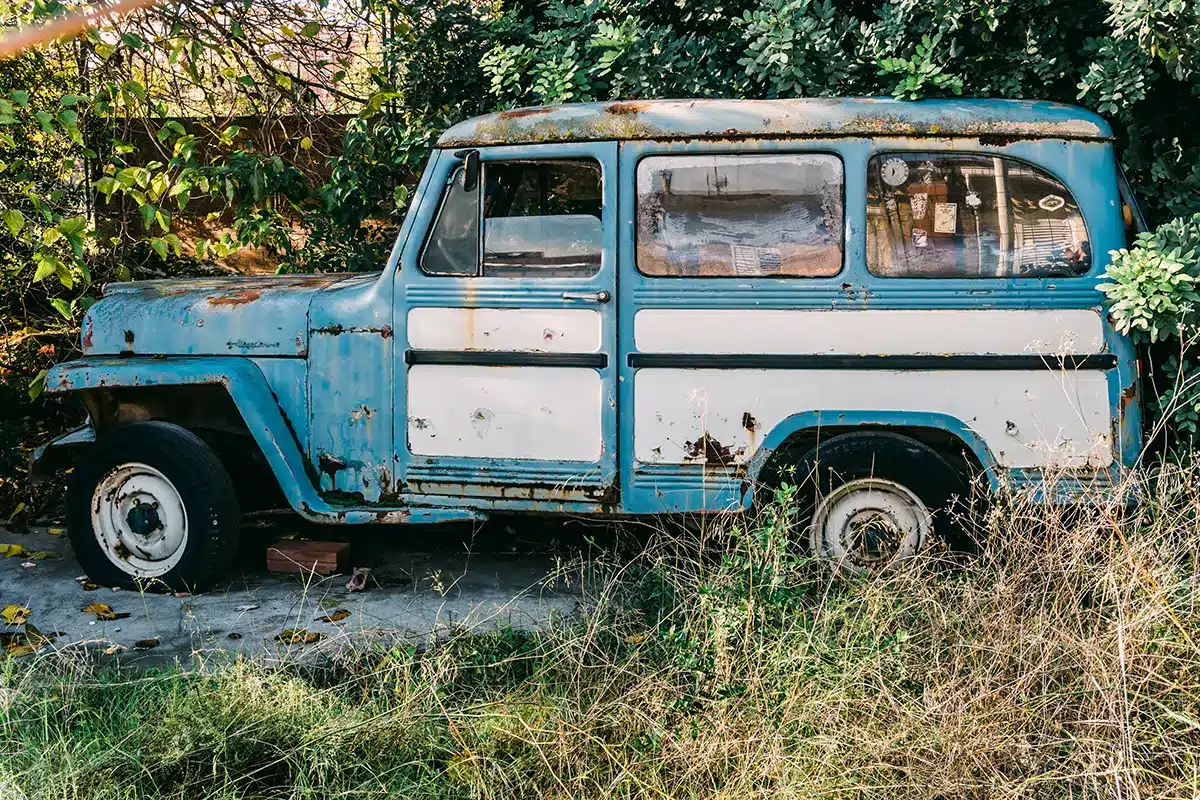
Bodywork and Metal Restoration
Discuss damaged panels, uneven gaps, previous repairs and missing metal during the assessment. Capitol Collision’s auto body repair services provide a starting point for reviewing body and frame concerns.
Rust and Corrosion Repair
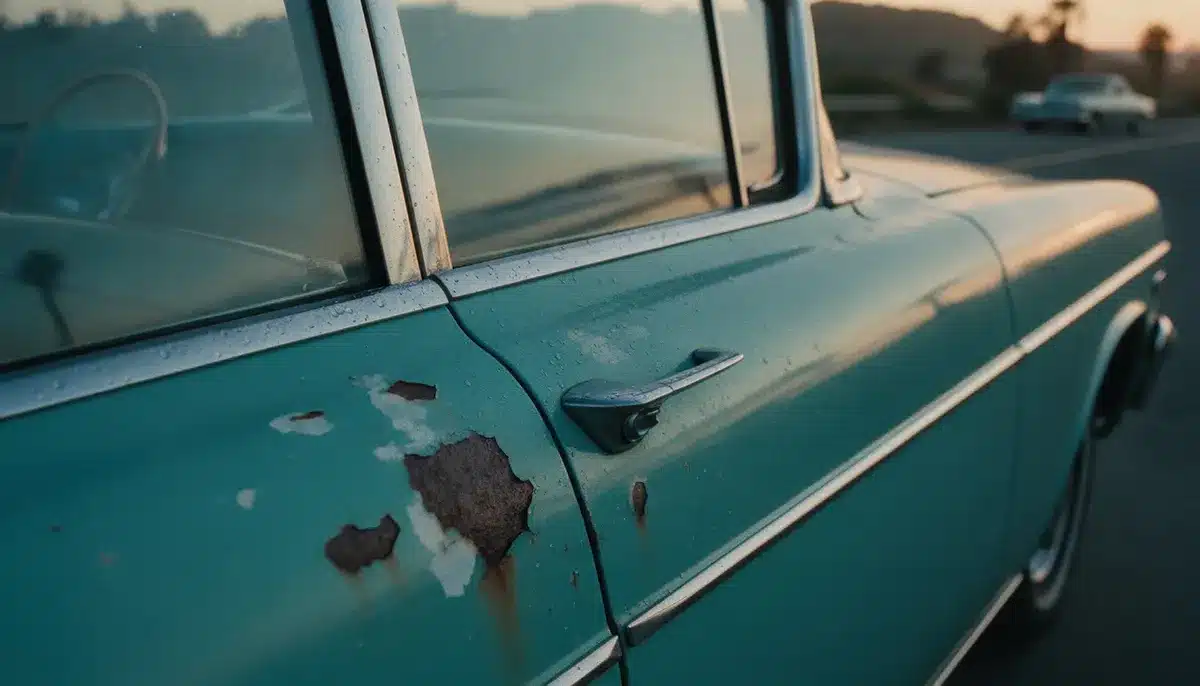
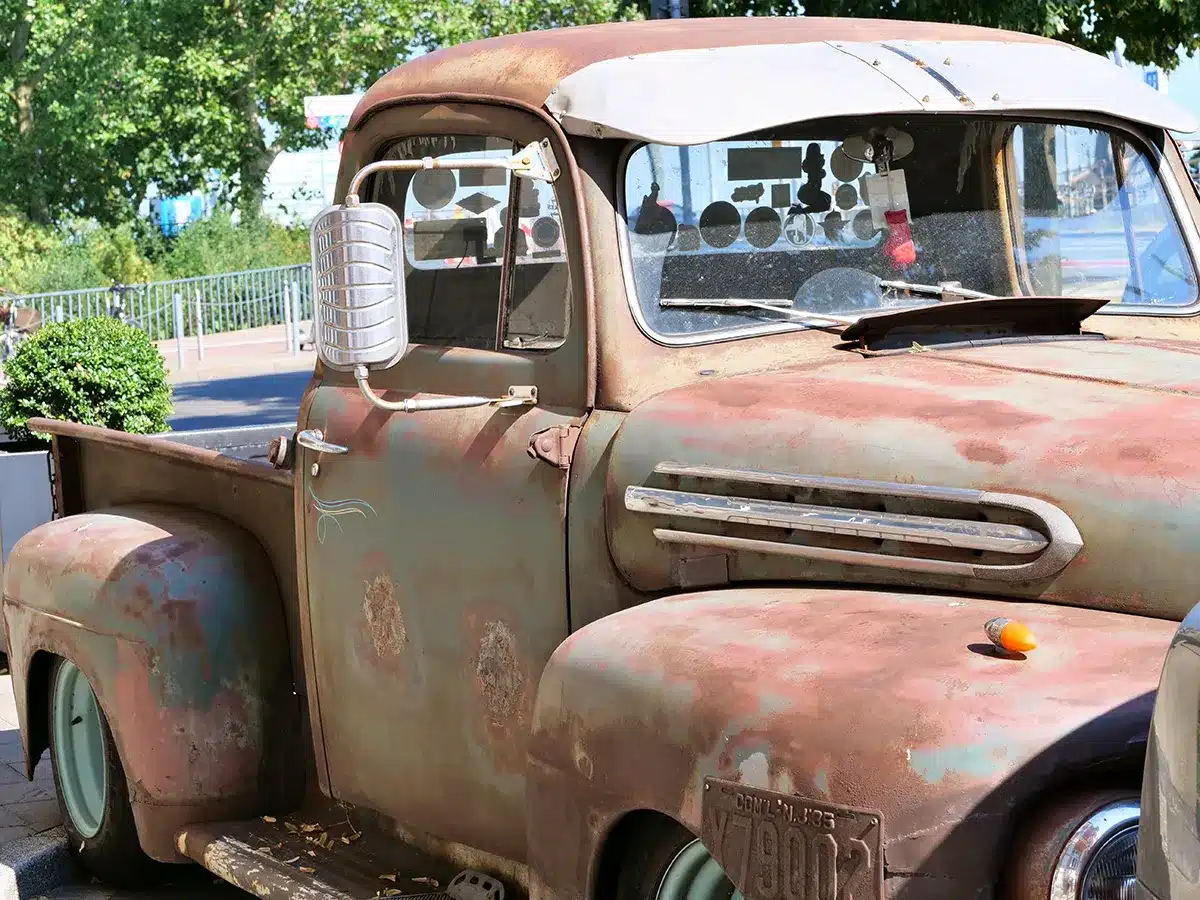
For classic car rust repair, show the affected areas and explain any known corrosion underneath the vehicle. Inspection helps establish the extent of deterioration, suitable repair options and whether the work fits the shop’s capabilities.
Paint and Finish Restoration
Discuss faded paint, peeling finishes, previous repainting and the color you want. Auto body painting can form part of an agreed restoration scope once the underlying body condition has been assessed.
Mechanical Restoration
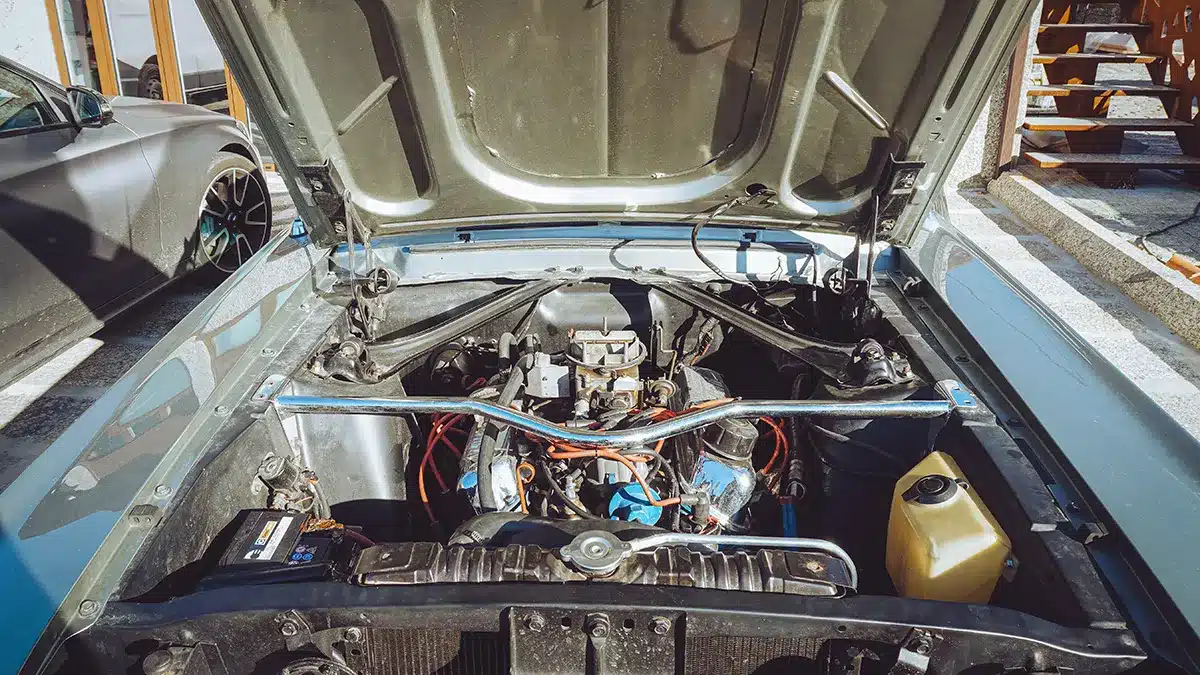
A broader project may involve the engine, transmission, brakes, steering or suspension. Confirm which mechanical services are available and who will perform them before including rebuilding or drivetrain restoration in the estimate.
Electrical and Wiring Work
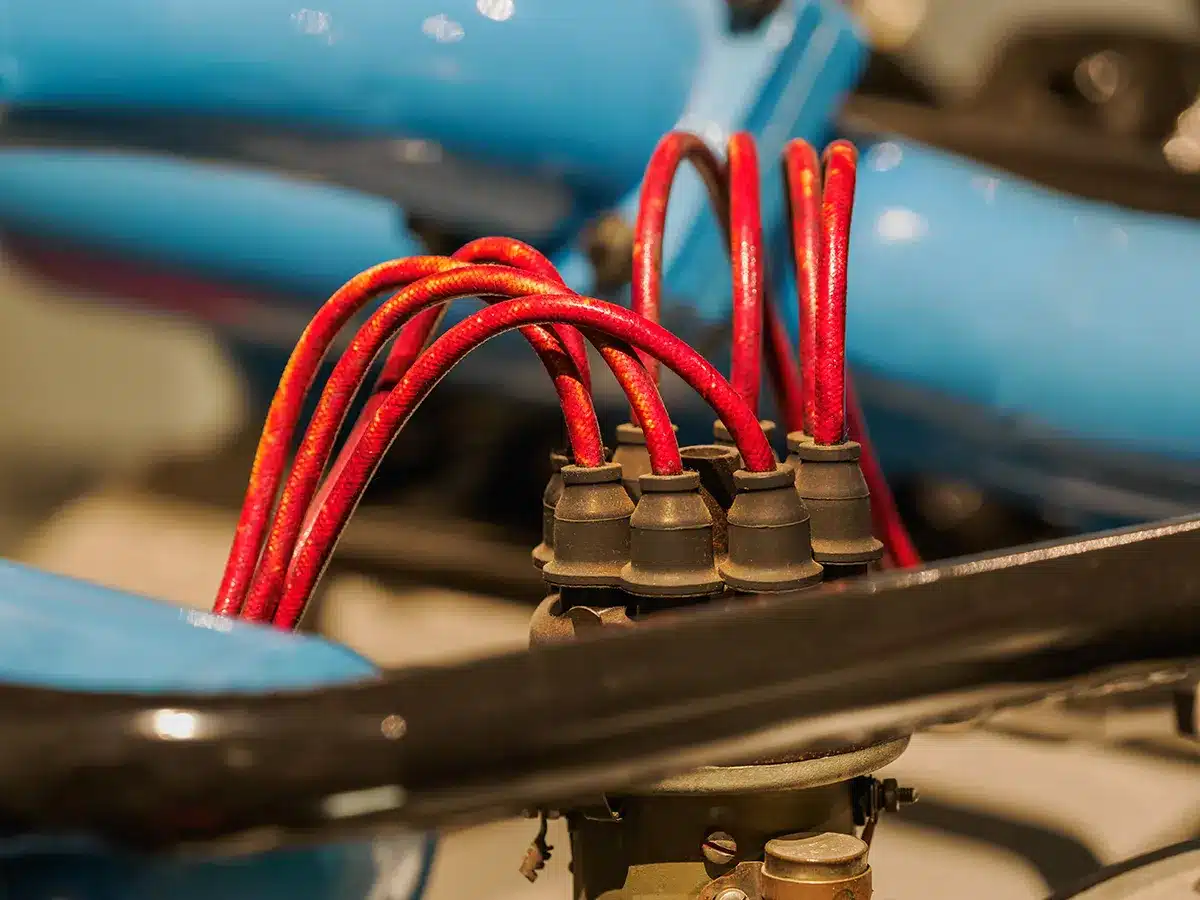
Identify inoperative lights, damaged wiring, missing instruments and previous electrical modifications. Complete rewiring and electrical restoration need separate confirmation, including any specialist involvement.
Interior, Upholstery and Trim
Capitol Collision lists automotive upholstery repair among its services. Discuss damaged seats, interior panels and carpets, then confirm the materials, trim work and repair methods available for your particular vehicle.
Parts Sourcing and Replacement
Prepare a list of missing or damaged parts and identify components you already own. Agree on sourcing responsibilities, acceptable replacement types and fitment checks before purchasing parts or relying on a particular component.

Antique Vehicle Restoration Assessment & Project Planning

Initial Vehicle Condition Assessment

Start with the vehicle’s overall condition, completeness and storage history. Exterior, interior and problem-area photographs help begin the conversation, while inspection may be needed to establish hidden repair requirements.

Identifying Rust, Structural Damage and Previous Repairs

Point out corrosion, patched panels, previous welding, body filler and known accident damage. These findings help define the work and identify areas requiring further inspection.

Evaluating Parts and Components

Identify installed parts, loose components and missing items. Label separately stored pieces and share available records so the project can be planned around an accurate inventory.

Defining Restoration Goals and Scope

Explain whether you want preservation, an original-looking finish, selected improvements or a more extensive transformation. Separate essential work from optional changes and discuss your budget.

Building a Restoration Estimate and Project Plan

Review the proposed work, exclusions, assumptions and unresolved conditions. Ask how additional findings will be priced and authorized, and whether exploratory inspection or disassembly carries a separate charge.

The Antique Vehicle Restoration Process

The sequence depends on the agreed project. A partial body and paint restoration may involve fewer stages than a comprehensive restoration.

1. Consultation and Vehicle Inspection

Discuss your vehicle, known problems and desired outcome. Confirm that the project fits the available services before arranging transportation or authorizing assessment work.

2. Documentation and Restoration Planning

Use photographs, vehicle information and repair records to document the starting condition. Establish priorities, responsibilities and decisions about parts, finishes and originality.

3. Disassembly and Component Assessment

Where disassembly is authorized, agree on how removed components will be identified and stored. Review additional damage or missing items discovered during this stage.

4. Body, Metal and Structural Work

Complete the approved body and structural repairs before final refinishing. Any project-specific fabrication work should be confirmed and included in the authorized scope.

5. Mechanical and Electrical Work

For projects involving these systems, establish the responsible provider and available services. Coordinate the timing so this work does not unnecessarily disturb completed bodywork or interior finishes.

6. Surface Preparation and Paint

Confirm the intended color, finish and refinishing areas. Preparation should reflect the panel condition and agreed scope before painting begins.

7. Interior and Trim

Review upholstery materials, trim condition and parts intended for reuse. Confirm availability and appearance expectations before relying on particular replacement components.

8. Reassembly and Fitment

Establish responsibility for reassembly and the components included. Review panel fit, attachments and any adjustments relevant to the completed work.

9. Final Inspection and Road-Readiness Check

Review completed repairs, excluded work and outstanding concerns. Confirm which mechanical and road-readiness checks are included or require another provider; body and paint completion alone does not establish that every vehicle system is ready for use.

Antique Vehicle Restoration ✱ Bodywork & Paint ✱ Upholstery & Trim ✱ Antique Vehicle Restoration ✱ Bodywork & Paint ✱ Upholstery & Trim ✱Antique Vehicle Restoration ✱ Bodywork & Paint ✱ Upholstery & Trim ✱ Antique Vehicle Restoration ✱ Bodywork & Paint ✱ Upholstery & Trim ✱

Why Choose Capitol Collision for Antique Vehicle Restoration?
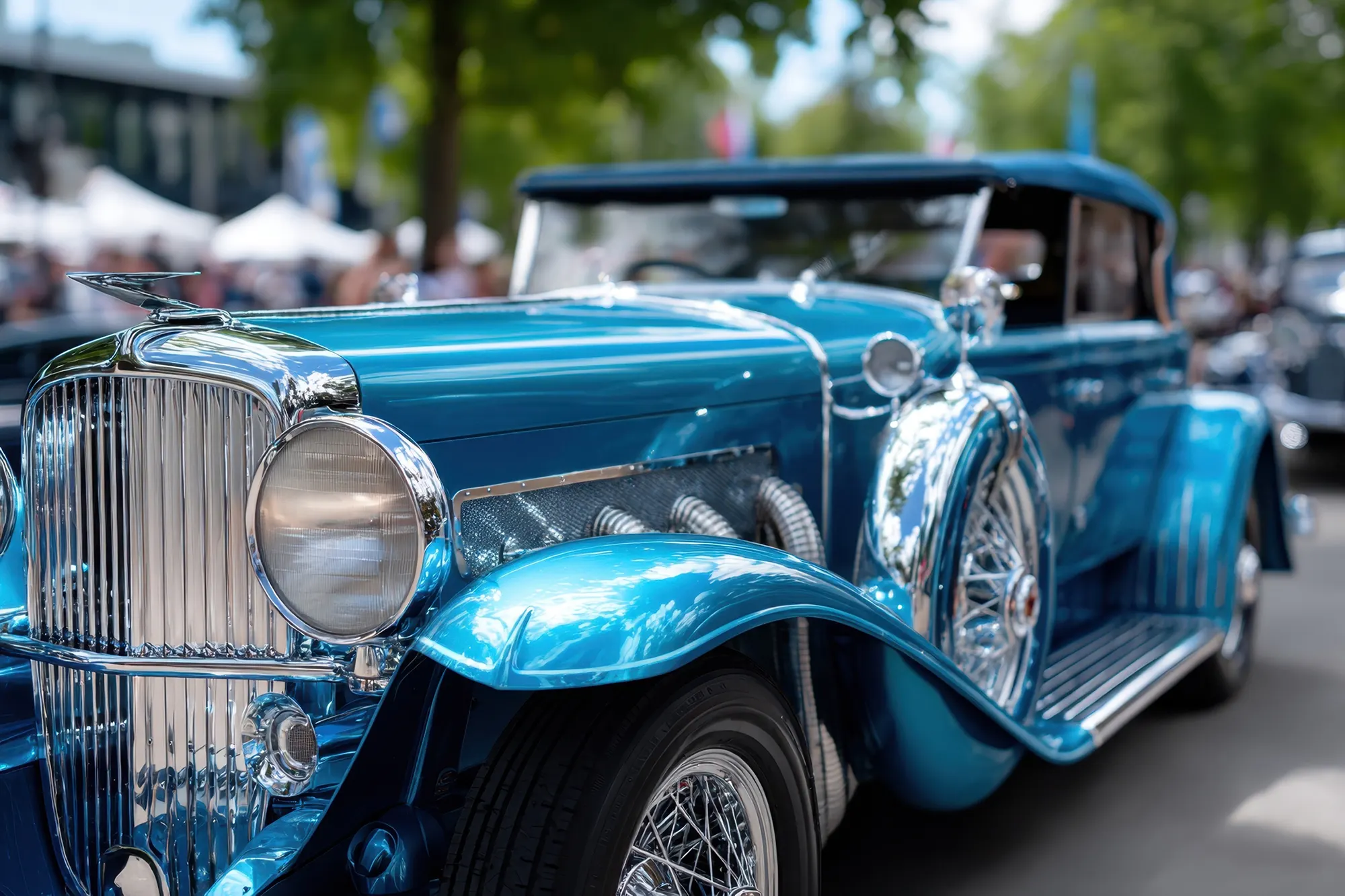
Verified Restoration Capabilities

Antique vehicle restoration appears among Capitol Collision’s published services. Related body, painting and upholstery services give owners a starting point for discussing an older vehicle’s needs.

Attention to Body and Finish Work

Body condition and finish quality need to be considered together. Discuss panel repairs, previous paintwork and the appearance you want before committing to the refinishing stage.

Condition-Based Restoration Planning

Your plan should reflect the actual vehicle rather than a standard package. An assessment connects its condition with your goals, the proposed work and the available budget.

Clear Communication Throughout the Project

Agree on the primary contact, update arrangements and approval process before work begins. Ask how new findings, parts decisions and changes to the schedule will be communicated.

Classic car body restoration

What Is Antique Vehicle Restoration?

Antique vehicle restoration involves repairing or renewing an older vehicle toward an agreed condition, function or appearance. The scope can range from selected body and finish work to a project involving several vehicle systems.

Antique vs. Classic vs. Vintage Vehicles

These labels vary among enthusiasts, clubs and registration systems. For restoration planning, the vehicle’s year, construction, condition and desired outcome are more useful than the label alone.

Restoration vs. Ordinary Auto Repair

Ordinary repair usually addresses a particular fault or damaged component. Restoration can involve several connected areas and decisions about originality, materials, finish and long-term use.

What a Complete Restoration Can Involve

A complete restoration may involve bodywork, paint, mechanical systems, wiring, interior components and reassembly. Confirm every included service and responsible provider; the phrase does not describe a uniform package.

Choosing the Right Restoration Approach

Preservation vs. Restoration

Preservation focuses on retaining usable original materials while addressing deterioration. Restoration may involve more extensive renewal, depending on the condition and appearance you want to achieve.

Original and Period-Correct Restoration

This approach aims for an appearance and specification consistent with the vehicle’s original era. Establish the desired level of accuracy for colors, upholstery, trim and replacement components.

Restomod and Modern Upgrades

A restomod combines an older vehicle’s character with selected modern features. Confirm the feasibility and available services for each upgrade before including it in the plan.

Partial Restoration

A partial restoration addresses selected areas, such as damaged bodywork, paint or upholstery. It may suit a vehicle whose remaining components are usable or worth preserving.

Full Restoration vs. Partial Restoration: Which Is Right for Your Vehicle?

Choose the scope according to condition, intended use and budget. More extensive work is appropriate only when it supports your goals and can be planned realistically.

When a Full Restoration Makes Sense

A full restoration may be worth considering when deterioration affects several areas and your desired outcome requires extensive renewal. Confirm the complete scope and providers before authorizing disassembly.

When a Partial Restoration May Be Better

Selected repairs may be more practical when much of the vehicle remains sound or original. A partial approach can concentrate the budget on the areas that matter most.

How Vehicle Condition Affects the Decision

Hidden corrosion, incomplete components and previous repairs can change the appropriate scope. Assessment helps identify what needs attention before choosing a restoration approach.
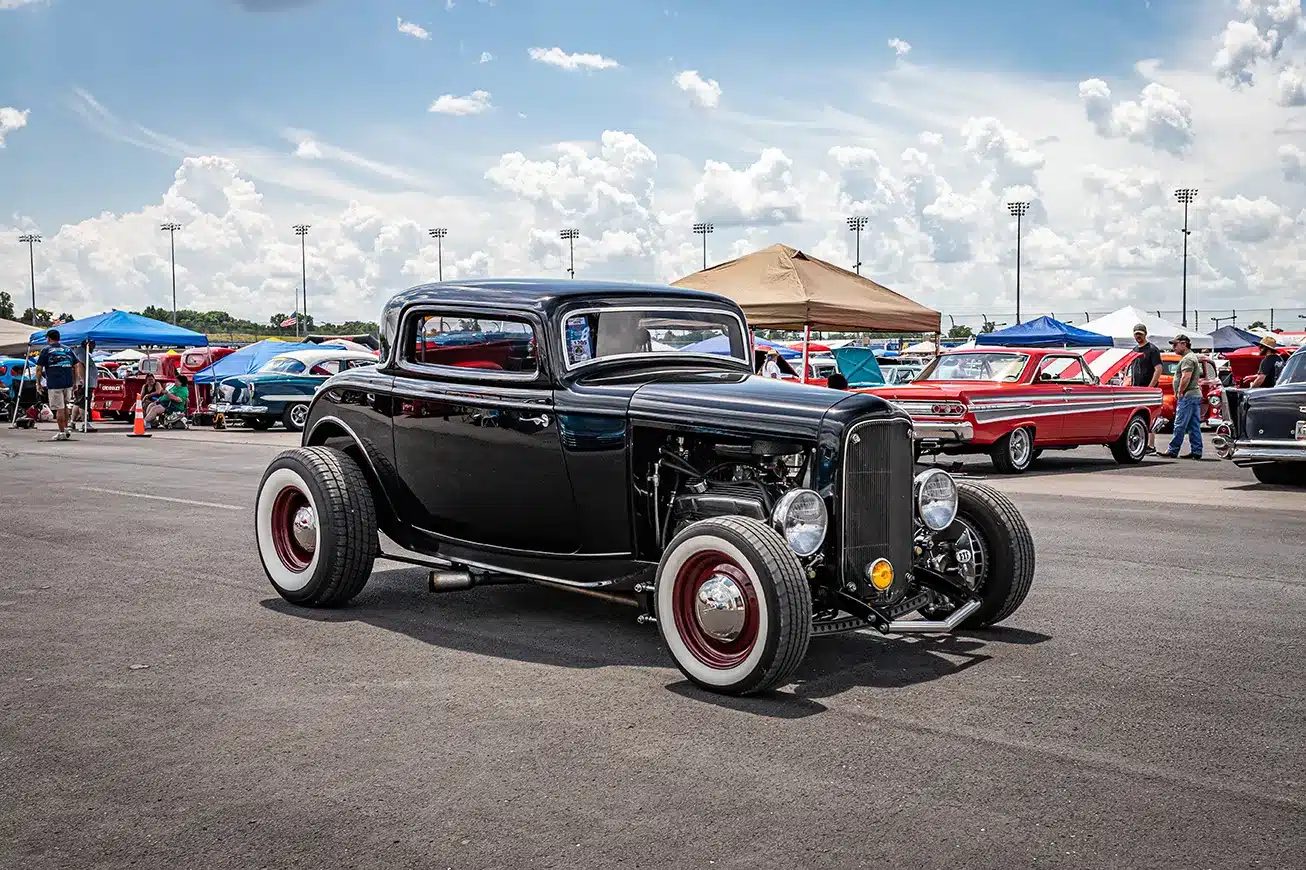
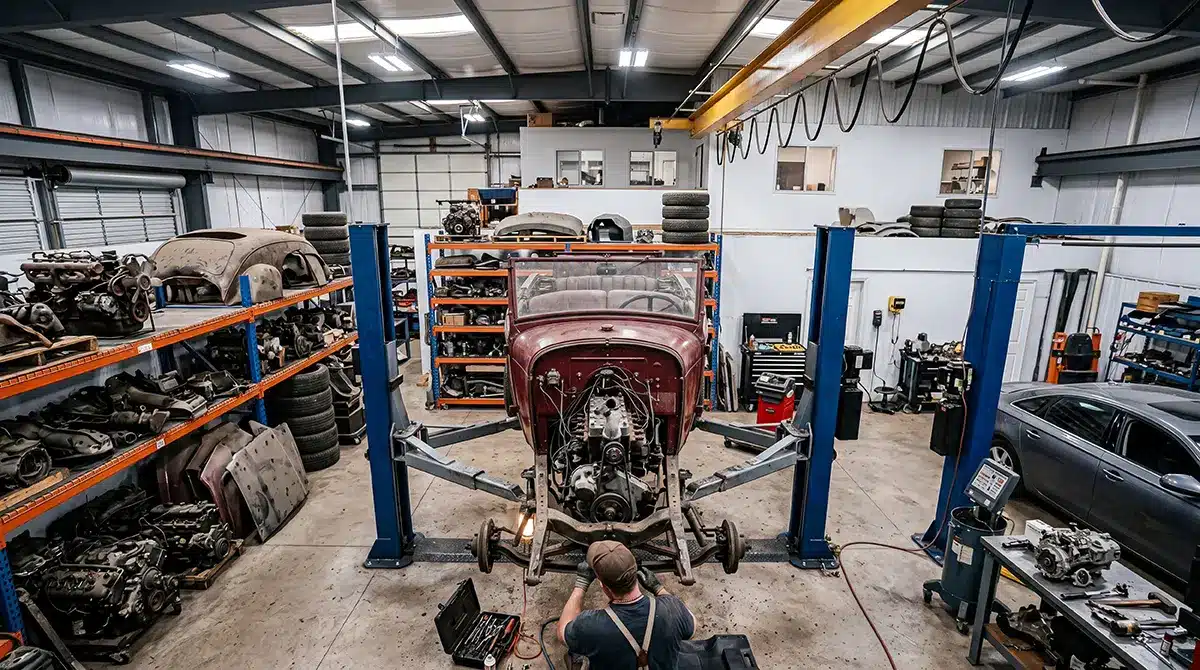
Partially disassembled classic car

How Much Does Antique Vehicle Restoration Cost?

Restoration cost depends on condition, scope, labor and parts requirements. A useful estimate needs a defined project and clear assumptions about unresolved conditions.

Vehicle Condition

Corrosion, damaged panels, missing components and previous repairs influence the work required. Further inspection may reveal conditions that change an early estimate.

Restoration Scope

Selected paint or upholstery work involves a different budget from extensive disassembly and renewal. Define the included stages and exclusions before comparing prices.

Parts Availability

Hard-to-find parts can affect sourcing costs and project decisions. Establish availability and responsibilities before planning around a particular component.

Original vs. Replacement Components

Original, reproduction and other replacement parts may differ in price, availability and fit. Agree on acceptable options according to your restoration goals.

Body, Paint and Mechanical Requirements

The estimate should identify each category of work and its responsible provider. Mechanical or electrical services should not be assumed to be included in a body and paint estimate.

How Long Does an Antique Vehicle Restoration Take?

Timing depends on the project scope, parts availability, approvals and additional findings. Request milestones after the vehicle has been assessed rather than relying on a standard completion period.

Why Restoration Timelines Vary

Vehicles arrive in different conditions and require different work. Missing parts, material choices and specialist services can affect the schedule.

How Project Phases Affect Timing

Body repairs, refinishing, mechanical work and interior installation need coordination. Decisions made before each stage can help reduce avoidable interruptions.

How Unexpected Repairs Can Change the Schedule

Disassembly may reveal corrosion or previous work that needs additional attention. Revised repairs can change parts requirements, costs and completion timing.

Is My Antique or Classic Vehicle Worth Restoring?

Consider the vehicle’s condition, personal significance, available parts and intended use. The right decision should fit your goals and the amount you are prepared to invest.

Vehicle Condition

A more complete, sound vehicle may present fewer unresolved issues than a heavily deteriorated project. Assess underlying condition rather than judging only the visible finish.

Rarity and Parts Availability

A rare vehicle may require more research to locate suitable components. Check critical parts availability before committing to a particular restoration standard.

Your Restoration Goals

A family keepsake, occasional driver and original-looking collector vehicle involve different priorities. Define the result that would make the project worthwhile to you.

Budget and Long-Term Plans

Set a budget that accommodates unresolved conditions and future ownership needs. Consider storage, maintenance and intended use alongside the restoration itself.

Can an Antique Vehicle Be Restored in Stages?

Yes, some projects can be completed in stages. The sequence should address essential concerns and protect completed work from unnecessary disruption.

Prioritizing Safety and Structural Work

Establish structural and safety-related needs early. Confirm the responsible provider and suitable repair approach before prioritizing appearance improvements.

Planning Body and Paint Work

Resolve required panel and metal repairs before final refinishing. Plan access for later work so newly finished areas can be protected.

Phasing Mechanical and Interior Work

Coordinate these stages with bodywork and paint. Agree on which systems must be completed before the vehicle can be stored, moved or used appropriately.

Inspecting a project car before purchase

What Should You Check Before Buying a Project Car?

Review the vehicle’s underlying condition, completeness and likely repair needs before committing. A useful assessment should identify both visible problems and areas requiring further investigation.

Rust and Structural Condition

Look beyond the exterior finish for corrosion, patched areas and damaged supporting components. Establish the scope of any inspection rather than assuming photographs show the complete condition.

Originality and Previous Modifications

Ask about replaced panels, drivetrain changes, wiring alterations and earlier restoration work. These details can affect the approach needed to achieve your goals.

Missing or Hard-to-Find Parts

Inventory missing trim, glass, interior pieces and other components. Investigate replacement options before assuming the vehicle can be completed within your budget.

Mechanical and Electrical Condition

Understand what operates, what has been tested and what remains unknown. Confirm whether an inspection covers these systems or requires a separate specialist.

Potential Restoration Cost

Estimate the major work categories and allow for unresolved conditions. If you want Capitol Collision to assess a prospective purchase, confirm availability, charges and inspection scope first.

Antique Vehicle Restoration in Willimantic, CT

Serving Antique and Classic Vehicle Owners

Capitol Collision gives local owners a place to begin discussing antique car restoration and classic vehicle restoration. Contact the team with your vehicle details and priorities to establish the next step.

Restoration Projects in Eastern Connecticut

Owners in Eastern Connecticut can contact our Willimantic team about project suitability and assessment availability. Before transporting a non-running or disassembled vehicle, confirm acceptance and delivery arrangements.

Antique Vehicle Restoration FAQs

The labels vary, but the work depends on construction, condition and owner goals. Provide the exact vehicle details when discussing a project.

It can include body, paint, mechanical, electrical and interior work. Confirm the included services, exclusions and responsible providers before authorization.

Yes, some projects can be phased. Plan the sequence to address essential repairs and avoid disturbing completed work.

Neither approach is automatically better. The choice depends on originality, intended use, preferences and available budget.

Cost depends on condition, scope, parts and labor requirements. Request an assessment-based estimate with clear assumptions and exclusions.

Timing varies with project phases, parts availability and additional findings. Discuss milestones once the scope has been established.

Some corrosion can be addressed through suitable repair or replacement. Feasibility depends on its location, extent and the work available for the particular vehicle.

Options depend on the component and vehicle. Discuss sourcing responsibilities, acceptable alternatives and fitment before relying on a replacement solution.

Begin with a condition assessment and a clear goal. Storage history, corrosion, missing parts and deterioration help determine the practical restoration options.

Contact Capitol Collision to confirm availability, charges and assessment scope. Ask whether the service covers body condition only or includes additional systems.

Start Your Antique Vehicle Restoration Project

Request an Initial Consultation or Estimate

Begin with a conversation about the vehicle and the work you want considered. Ask what an initial assessment includes and whether inspection or exploratory work carries a charge.

Vehicle Details and Restoration Goals

Provide the year, make, model, body style and known history. Explain your intended use, preferred appearance, restoration priorities and budget considerations.

Photos and Project Information

Share photographs of the exterior, interior, corrosion and disassembled areas. Include previous repair information, missing components and parts already purchased.

Ready to discuss your project? Call 860-423-4516 or request an initial restoration consultation.

Submit your restoration project