Automotive Hydroblasting · Willimantic, CT

Hydroblasting Services in Willimantic, CT

Rust, road buildup, and accumulated contamination can make it difficult to assess a vehicle’s underlying surface condition. Before repairs or refinishing begin, the affected areas may need an appropriate cleaning and preparation method.

Capitol Collision offers hydroblasting services in Willimantic, CT. Contact our team to discuss your vehicle, the surface involved, and the work planned afterward. An assessment helps determine whether hydroblasting is suitable and which applications are available for your project.

Start with the condition of the vehicle or component, then review the cleaning scope, subsequent repairs, and estimate.

Professional Hydroblasting Services for Automotive Repair

Discuss hydroblasting as part of the preparation needed for your repair project. Suitability depends on the material, contamination, component condition, and access.

Hydroblasting for Rust and Corrosion

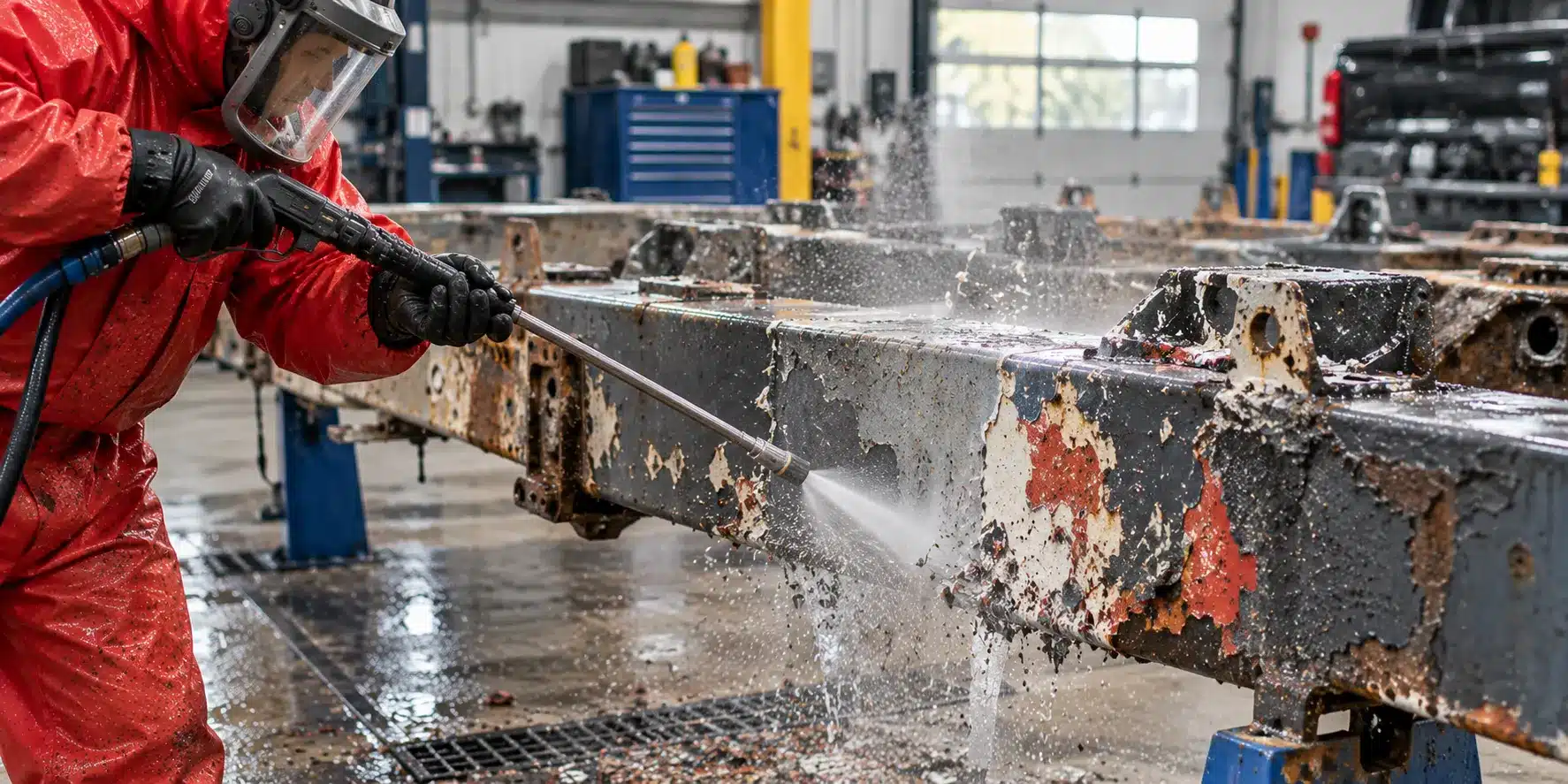
For a rust-related inquiry, identify the affected area and provide photographs. Cleaning may expose deterioration, but it does not replace missing metal or repair structural corrosion.

Hydroblasting for Surface Contamination

Describe the buildup and the surface beneath it. The team needs to distinguish removable contamination from damaged coatings or deteriorated material before recommending a method.

Hydroblasting for Vehicle Frames and Components

Frame and component applications require confirmation for the particular vehicle and condition. Share dimensions, photographs, and any known structural concerns before arranging service.

Hydroblasting for Collision Repair and Restoration

Explain whether cleaning is intended to support accident repairs or an older-vehicle project. The preparation approach should reflect the work planned for the affected area.

Hydroblasting Solutions for Rust, Corrosion and Built-Up Contamination

Different surface problems require different preparation. Begin with an assessment rather than assuming one cleaning method will address every condition.
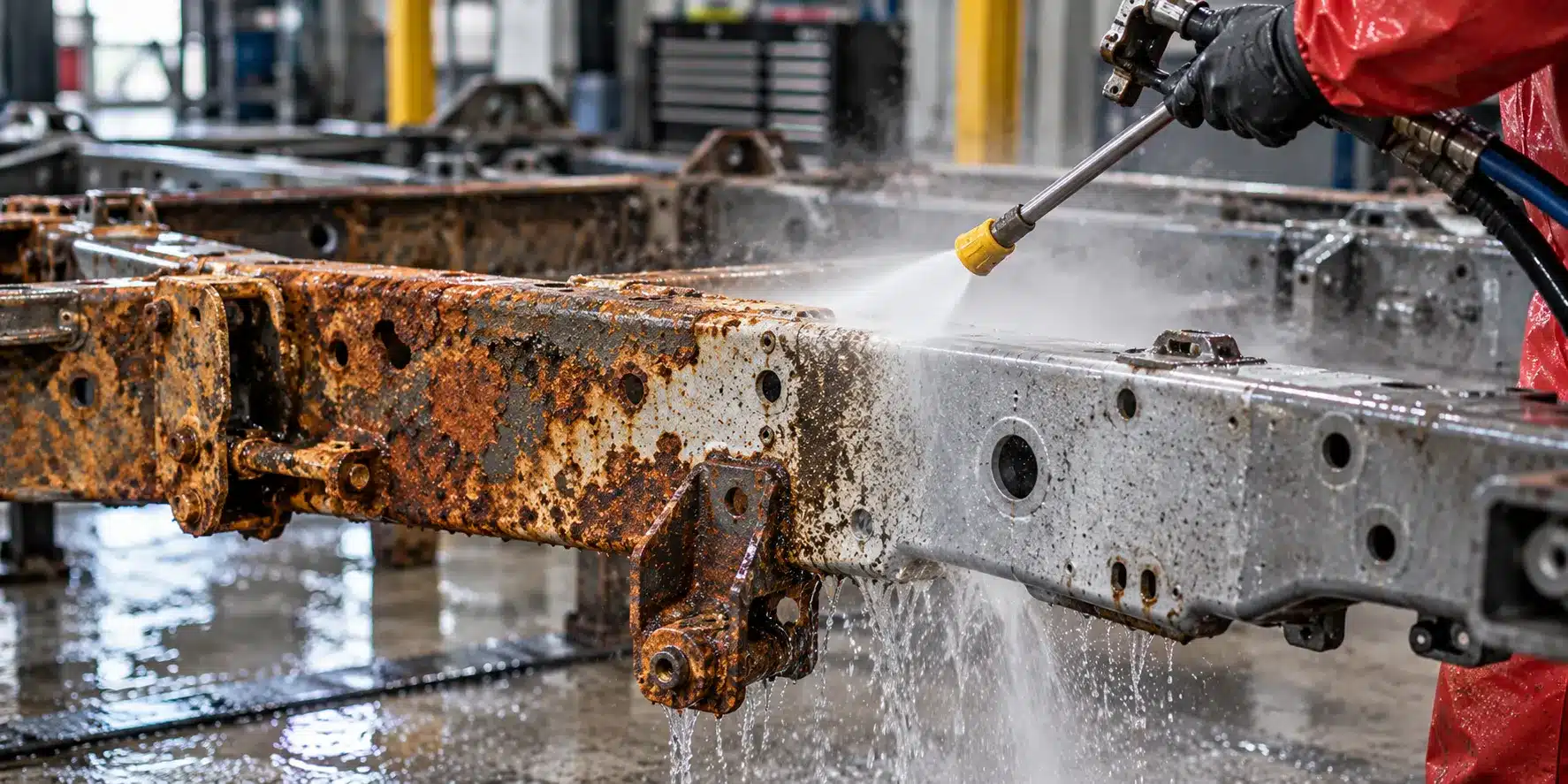
Surface Rust and Corrosion

Surface Rust and Corrosion

Surface deterioration and deeper corrosion should not be treated as the same problem. Ask what cleaning can reveal and whether additional repair is needed.
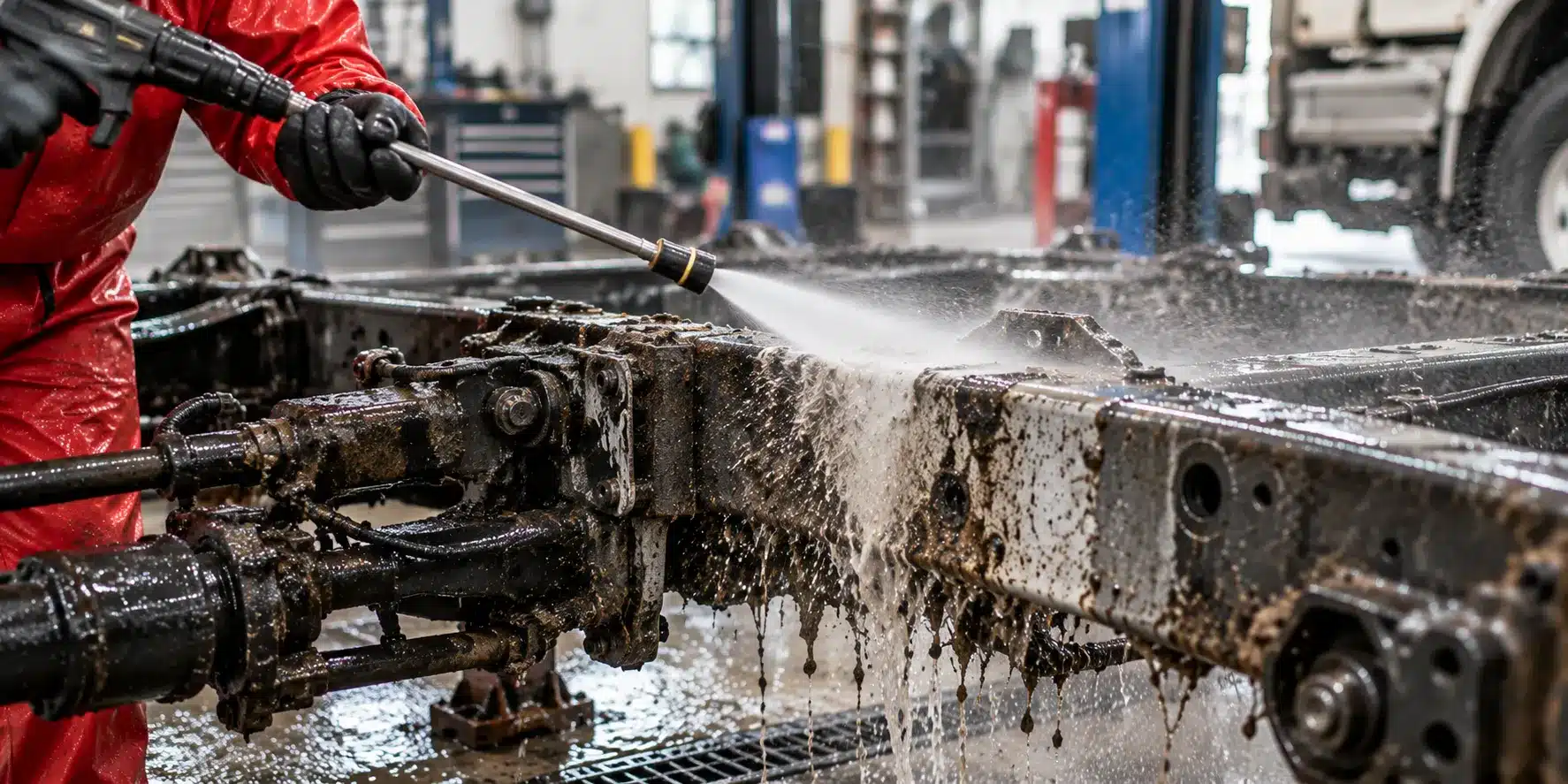
Dirt, Grease, Grime and Road Buildup

Dirt, Grease, Grime and Road Buildup

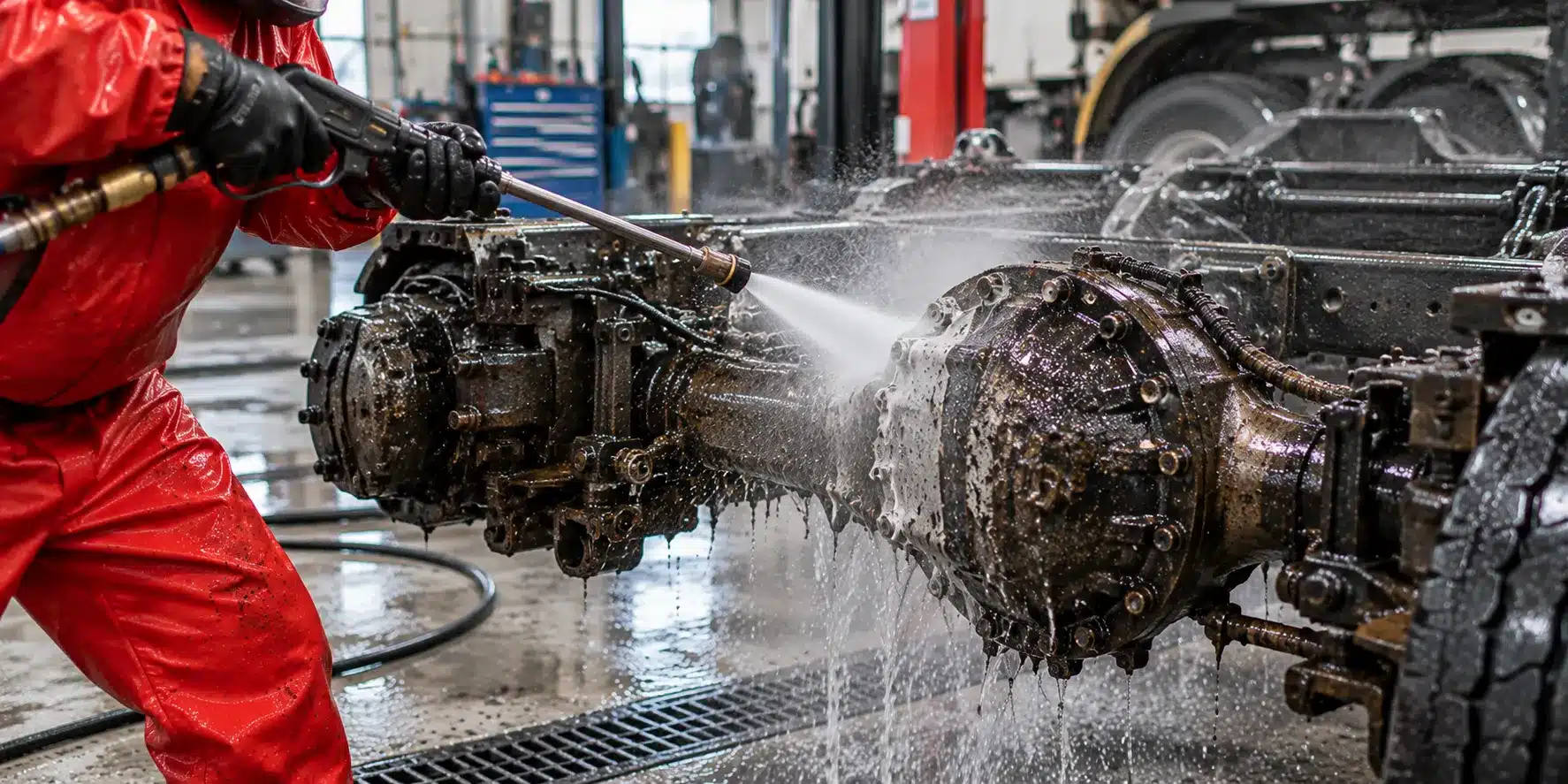
Identify accumulated dirt, oily deposits, or road contamination. Discuss the required cleaning scope and whether separate degreasing or other preparation is appropriate.
Old Coatings and Surface Buildup

Old Coatings and Surface Buildup

Explain whether the concern involves failing paint, protective coatings, or other deposits. Confirm coating-removal capability for the material and component before including it in the estimate.
Hard-to-Clean Automotive Components

Hard-to-Clean Automotive Components

Provide photographs showing restricted access, seams, and adjoining parts. Component removal or a different cleaning method may need consideration.
Hydroblasting Services ✱ Surface Preparation ✱ Collision & Restoration Projects ✱ Hydroblasting Services ✱ Surface Preparation ✱ Collision & Restoration Projects ✱Hydroblasting Services ✱ Surface Preparation ✱ Collision & Restoration Projects ✱ Hydroblasting Services ✱ Surface Preparation ✱ Collision & Restoration Projects ✱
Automotive Components That Can Benefit From Hydroblasting

Automotive Components That Can Benefit From Hydroblasting

Component suitability must be established individually. Confirm the available application before transporting a vehicle or loose parts.

  • 1

    Vehicle Frames and Chassis: For a frame or chassis inquiry, describe corrosion, previous repairs, and areas needing assessment. Confirm that cleaning the particular structure falls within the available scope.

  • 2

    Undercarriage Components: Identify the underbody areas involved and nearby equipment. Undercarriage cleaning requires consideration of access and components that should be protected from treatment.

  • 3

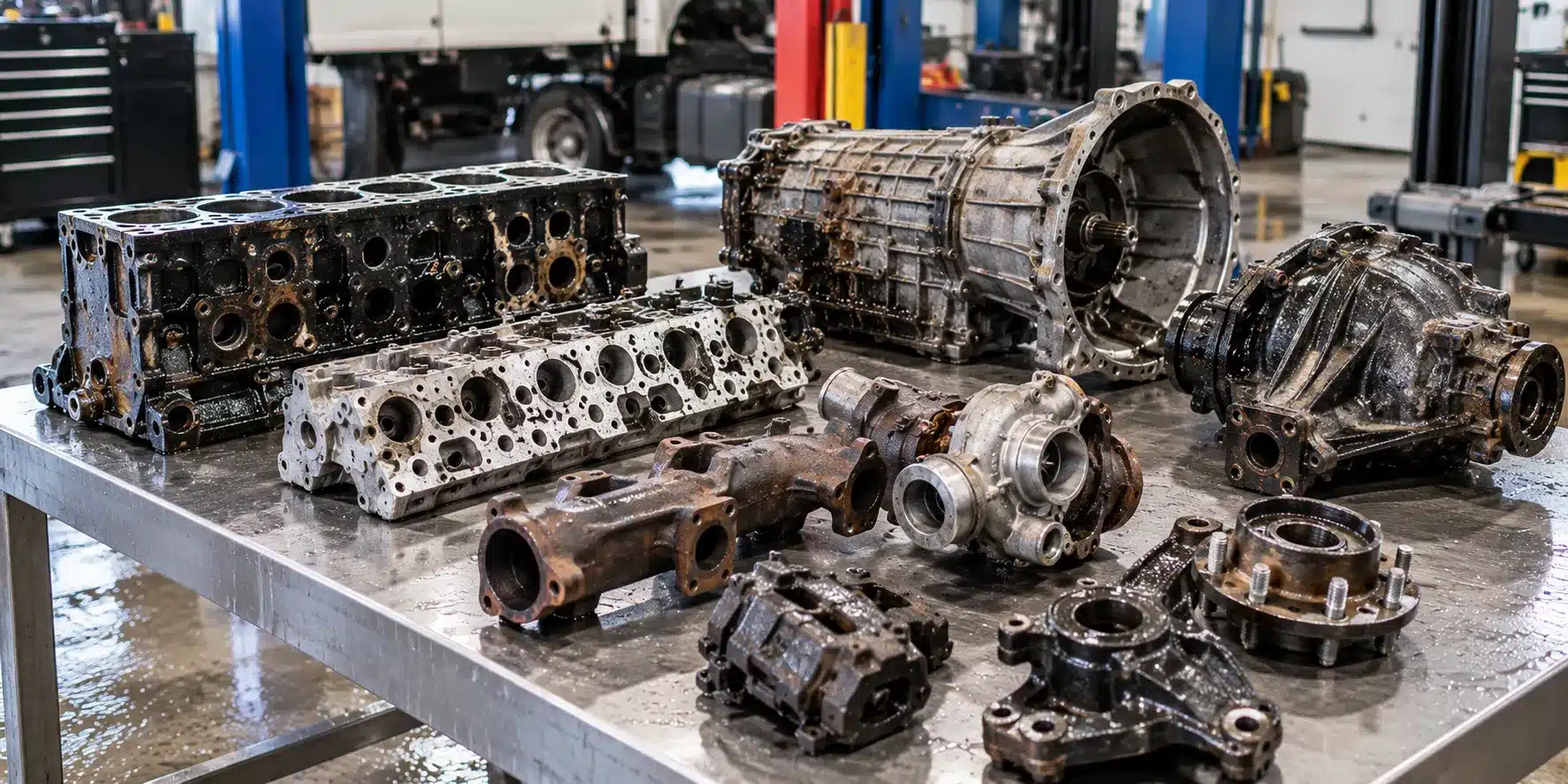
    Metal Automotive Components: Provide the component’s material and intended use when known. The condition of the metal and any existing finish influence cleaning recommendations.

  • 4

    Restoration Components: Explain which parts belong to the restoration project and whether they are installed or removed. Confirm acceptance and preparation requirements for each component.

  • 5

    Other Components Based on Their Condition: For an unlisted part, send photographs and dimensions. The team can discuss whether assessment is appropriate before recommending a cleaning method.

Hydroblasting for Collision Repair and Restoration

Cleaning and repair should be planned together. Establish what the surface needs to support the next stage rather than treating cleaning as the finished repair.

Preparing Damaged Components for Repair

Contamination can make damaged areas harder to inspect. Discuss preparation alongside the proposed auto body repair so the cleaning scope serves the repair plan.

Cleaning Surfaces Before Repair or Refinishing

The preparation required depends on the material and subsequent work. Confirm cleanliness, drying, and any additional treatment needed before repairs or coatings proceed.

Exposing Rust and Surface Damage

Removing buildup may make previously obscured deterioration easier to assess. Additional findings can change the proposed repair scope and estimate.

Preparing Vehicles for Restoration Work

If cleaning forms part of antique vehicle restoration, explain the project goals and sequence. Confirm the available application before scheduling.

Our Hydroblasting Process

The project sequence depends on the approved application. Review the proposed stages, component protection, and subsequent work before authorization.

Vehicle and Component Inspection

Begin with vehicle details, photographs, and known concerns. An in-person assessment may be needed to establish suitability and access requirements.

Surface Condition Assessment

Identify the material, contamination, coatings, and visible deterioration. Ask which conditions remain uncertain before cleaning.

Component Protection

Discuss nearby components and areas that should not receive treatment. Removal, isolation, or another preparation method may be necessary.

Hydroblasting and Surface Cleaning

Confirm the approved treatment area and cleaning objective. The method should suit the assessed surface rather than follow an assumed procedure for every project.

Post-Cleaning Inspection

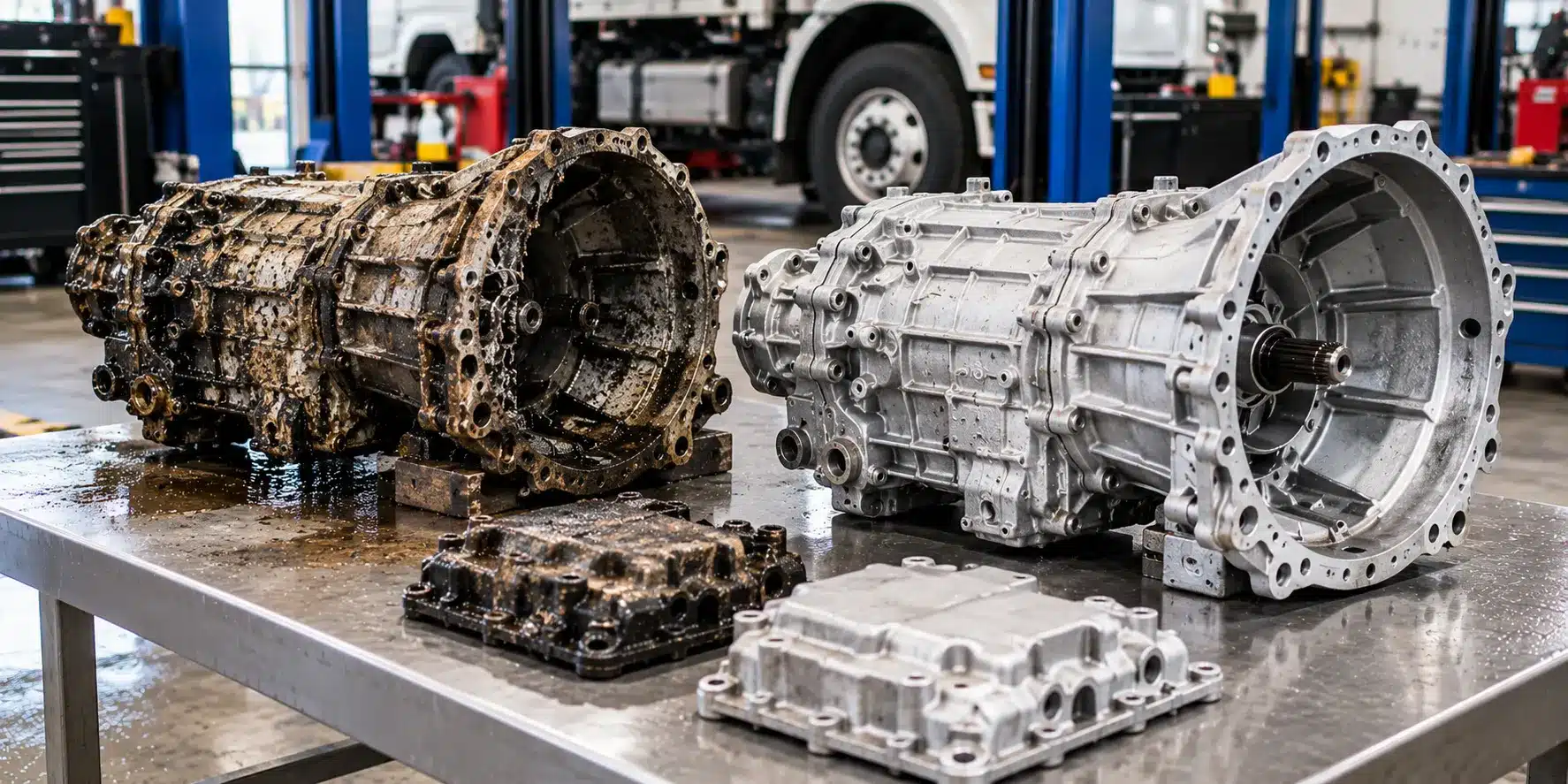
Review the exposed surface and any additional damage identified. Discuss whether the findings change the recommended work.

Preparation for the Next Repair or Restoration Stage

Establish what must happen after cleaning, including drying, additional preparation, repair, or protective treatment. Confirm who is responsible for each stage.

What Happens After Hydroblasting?

What Happens After Hydroblasting?

The next step depends on the exposed surface and intended repair. Cleaning alone should not be treated as corrosion protection or confirmation that a part is ready for painting.

  • 1

    Rust and Corrosion Treatment: Discuss remaining corrosion and whether repair or protection is appropriate. Where suitable, ask about frame sealing and rustproofing after the necessary preparation and repairs.

  • 2

    Surface Preparation for Coating or Refinishing: Auto body painting and refinishing may require additional preparation beyond cleaning. Waterjet cleaning does not create a new anchor profile, and exposed steel can develop flash rust while drying.

  • 3

    Welding and Fabrication When Required: Cleaning cannot restore material lost to corrosion. If metal repair is needed, discuss the proposed fabrication work and confirm available welding or replacement operations.

  • 4

    Additional Collision or Restoration Repairs: Newly visible damage may require further assessment. Review changes to the repair plan, estimate, and authorization before additional work proceeds.

Why Professional Hydroblasting Matters

An appropriate service recommendation considers the surface and the next repair stage. The objective is suitable preparation for the agreed work.
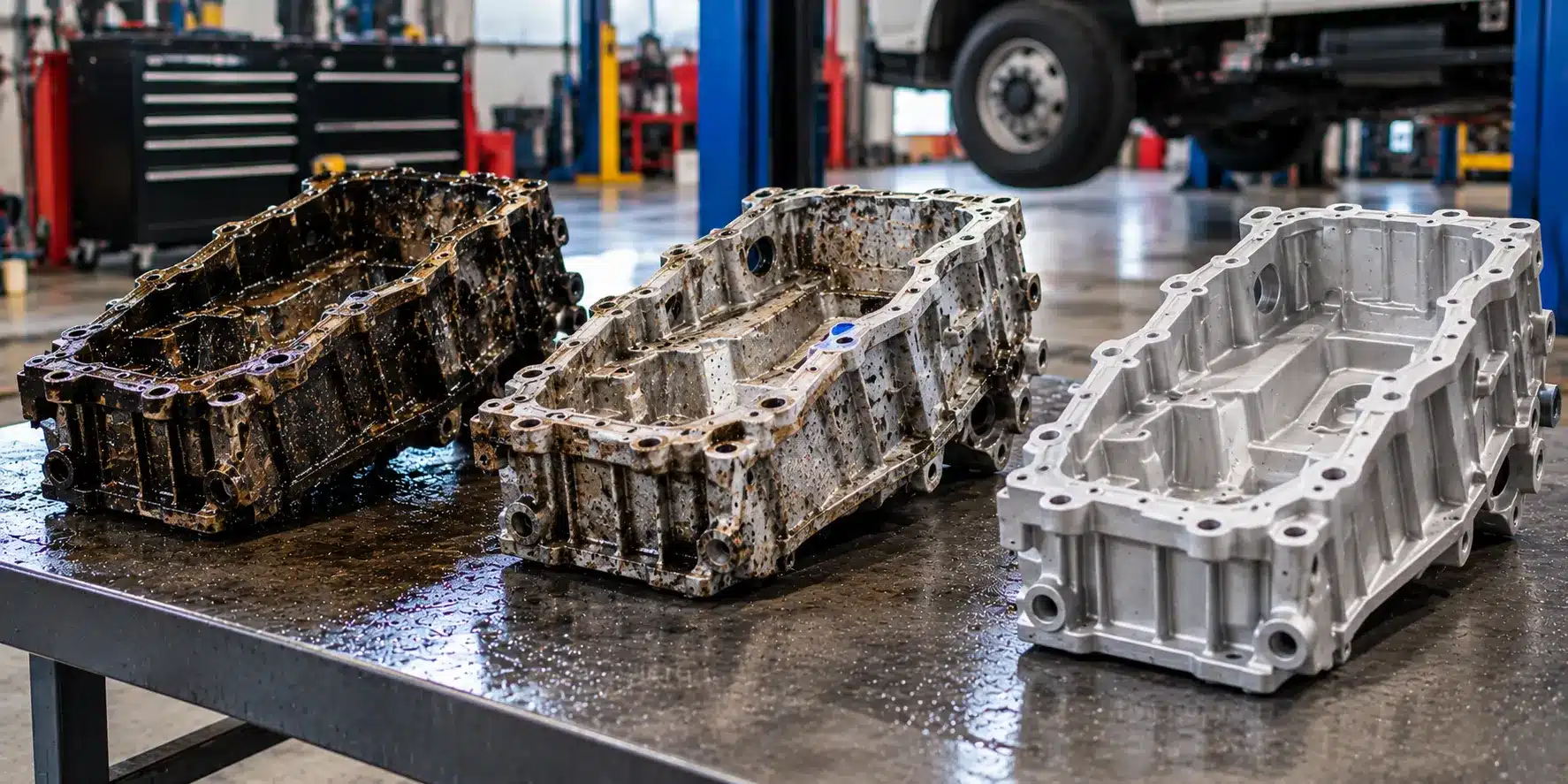
Removing Contamination Before Repairs

Discuss which deposits interfere with assessment or preparation. Cleaning requirements should be connected to the repair being proposed.

Revealing Underlying Surface Conditions

An exposed surface can provide a clearer starting point for inspection. It does not, by itself, establish the complete condition of every underlying component.

Preparing Surfaces for Subsequent Work

Confirm what preparation the next repair or coating system requires. Cleaning, repair, and protective application may involve separate operations.

Choosing the Appropriate Cleaning Method

Hydroblasting should be considered alongside other suitable options. Material, access, surrounding components, and the required finish influence the choice.

Hydroblasting vs. Other Surface Preparation Methods

Hydroblasting vs. Other Surface Preparation Methods

The appropriate method depends on the cleaning objective and surface requirements. Ask which approach suits your project rather than choosing by name alone.

  • 1

    Hydroblasting vs. Sandblasting: Waterjet cleaning uses pressurized water; abrasive blasting uses abrasive media. They affect surface preparation differently, so one should not automatically substitute for the other. Confirm whether the proposed hydroblasting method uses water alone or water with abrasive media.

  • 2

    Hydroblasting vs. Mechanical Cleaning: Mechanical cleaning uses tools to address selected areas. Suitability depends on access, the surface condition, and what subsequent repairs or coatings require.

  • 3

    When Hydroblasting May Be the Better Option: Hydroblasting may be considered when its cleaning action suits the surface and project. Confirm the available application, component protection, and follow-up preparation first.

How Much Does Hydroblasting Cost?

Hydroblasting cost depends on the treatment area, existing condition, access, and required preparation. Request an assessment-based estimate for the cleaning and any subsequent work.
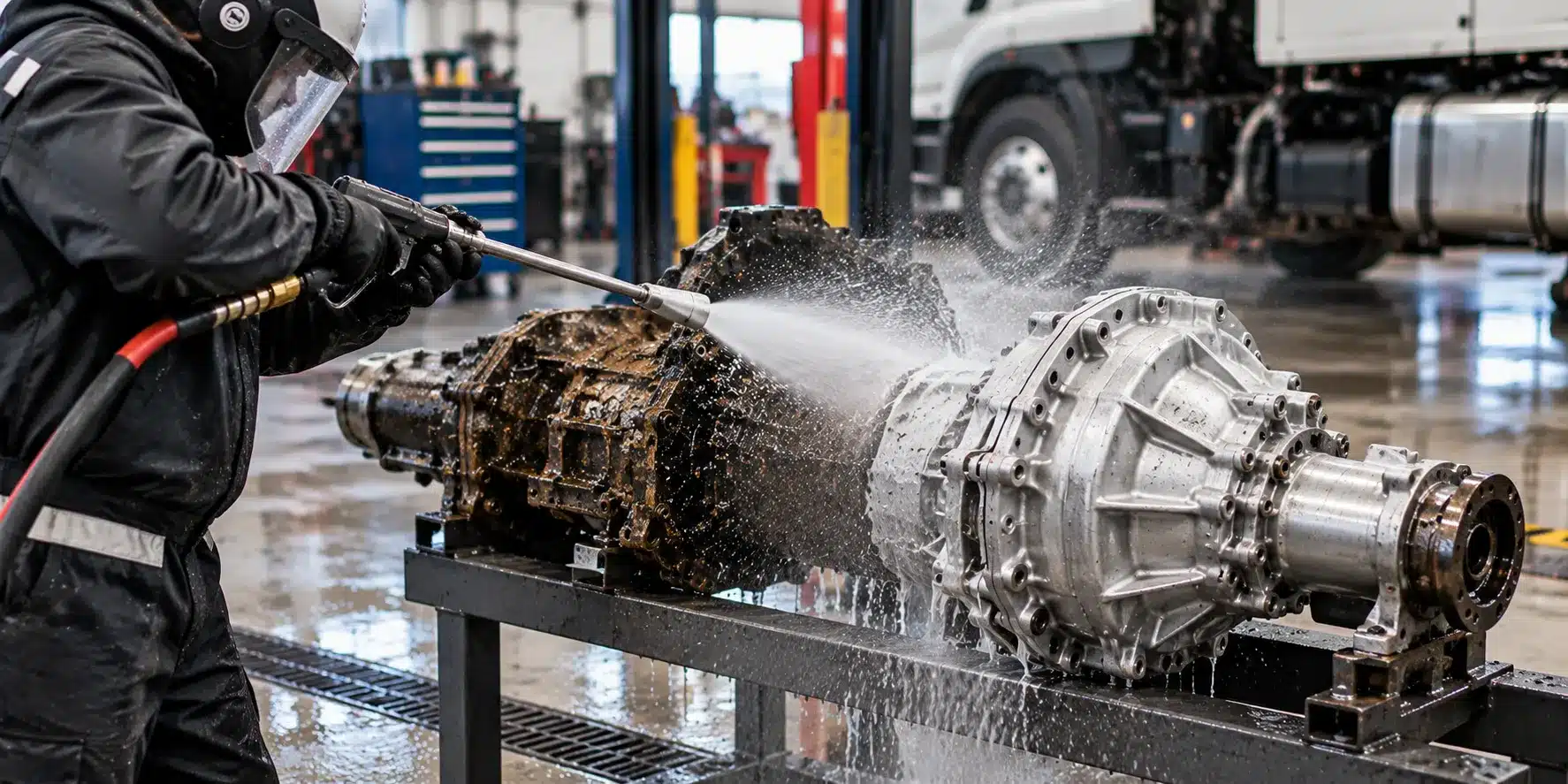
Vehicle or Component Being Treated

A loose component and an installed vehicle structure present different handling and access requirements. Provide dimensions and photographs when requesting pricing.

Surface Condition and Amount of Contamination

Describe the visible buildup, coatings, and corrosion. These conditions help establish the cleaning scope.

Amount of Hydroblasting Required

Identify whether the project involves a selected area or several components. The extent of approved treatment affects the estimate.

Additional Repair, Rust Treatment or Refinishing

Cleaning and subsequent repairs should be identified separately. Ask which protective or finishing operations are included.

Why We Inspect the Vehicle Before Providing an Estimate

Inspection helps establish suitability and the work required. Photographs can begin the discussion but may not reveal access restrictions or hidden deterioration.

How Long Does Hydroblasting Take?

How Long Does Hydroblasting Take?

Project timing depends on the treatment area, preparation, access, and subsequent work. Request a projected schedule after assessment.

  • 1

    Size and Condition of the Surface: A limited component and a larger area have different requirements. Existing coatings and deterioration also influence the scope.

  • 2

    Amount of Cleaning Required: The cleaning objective affects the work involved. Confirm the areas included and any separate preparation stages.

  • 3

    Additional Repair or Restoration Work: Repairs, drying, protective treatment, and refinishing may extend the overall project beyond the cleaning stage.

  • 4

    Why Project Times Vary: Scheduling, component access and additional findings can affect completion. Avoid relying on a fixed turnaround before the scope is established.

Hydroblasting Services in Willimantic, CT

Contact Capitol Collision to discuss the vehicle or component, its condition and the work planned afterward.

Local Hydroblasting for Automotive Repair

Our Willimantic location provides a local starting point for hydroblasting inquiries. Confirm the application and assessment arrangements before visiting.

Hydroblasting for Collision and Restoration Projects

Explain how surface preparation fits within your wider repair plan. The proposed cleaning should support the approved project stages.

Serving Vehicle Owners in Willimantic and Eastern Connecticut

Vehicle owners in Willimantic and Eastern Connecticut can contact the team about project suitability and appointment availability.

Schedule a Hydroblasting Assessment

Contact Capitol Collision with photographs and component details. Confirm acceptance before arranging delivery.

Why Choose Capitol Collision for Hydroblasting?

Hydroblasting Integrated With Automotive Repair

Capitol Collision lists hydroblasting alongside automotive repair services. Discuss whether the required cleaning application can be included in your project.

Experience With Collision and Restoration Work

The business lists collision repair and antique restoration services. These provide context for discussing preparation alongside related repair needs.

Thorough Surface Assessment

Start with the actual surface condition and intended outcome. Ask what can be established initially and what remains dependent on cleaning or further inspection.

Repair and Restoration Solutions After Cleaning

Review the next stage before cleaning begins. Confirm available bodywork, fabrication, protective treatment or refinishing as separate scope items where appropriate.

Local Service in Willimantic, CT

Contact the team to discuss assessment availability and delivery arrangements. Provide vehicle details and photographs to help explain the inquiry.

Hydroblasting FAQs

Hydroblasting generally refers to cleaning or surface preparation using pressurized water. Confirm the exact method proposed for your project.

Depending on the method and surface, waterjet cleaning can remove certain contaminants, corrosion products and coatings. Capitol Collision must confirm the applicable treatment for your component.

Suitable waterjet cleaning can remove rust and corrosion products. It does not replace metal lost to corrosion or repair structural deterioration.

Some frame-cleaning applications may be suitable. Confirm acceptance, component protection and the available treatment for your particular vehicle.

No. Waterjet cleaning and abrasive blasting use different cleaning actions. Ask which method and media are proposed.

It may form part of preparation, but additional drying and surface treatment can be required. Cleaning alone does not establish readiness for paint.

It may be suitable for selected surfaces or components. Confirm the application and coordinate it with the restoration plan.

Cost depends on the component, condition, access and approved treatment. Request a project-specific estimate.

Timing varies with scope, preparation and subsequent work. Ask for a projected schedule after assessment.

Schedule Hydroblasting Service in Willimantic, CT

  • Tell Us About Your Vehicle: Provide the year, make, model and details of the component or area requiring attention.

  • Describe the Surface or Rust Problem: Include photographs, visible deterioration and any previous repairs or coatings. Explain the work you want to complete afterward.

  • Schedule an Assessment: Confirm application suitability, appointment availability and whether the vehicle or component needs to be brought in.

  • Get a Hydroblasting Recommendation: Review the proposed cleaning method, treatment area, subsequent preparation and estimate before authorizing work.

Submit Your Hydroblasting Inquiry or Call 860-423-4516

Address: 109 Capitol Drive, Willimantic, CT 06226
Hours: Mon-Fri 8:00am – 5:00pm

Request a free quote