Digital Headlight Alignment · Willimantic, CT

Digital Headlight Alignment in Willimantic, CT

Headlights that point too high, too low, or away from the road can make nighttime driving more difficult. If your lighting has changed after an accident, headlamp replacement, or vehicle repair, start with a professional assessment.

Capitol Collision offers digital headlight alignment in Willimantic, CT. Contact our team to have your headlight aim and beam position checked and discuss adjustment where appropriate for your vehicle.

Tell us what you have noticed, whether recent repairs were performed, and which vehicle you drive.

Professional Digital Headlight Alignment

Accurate Headlight Aim and Beam Position

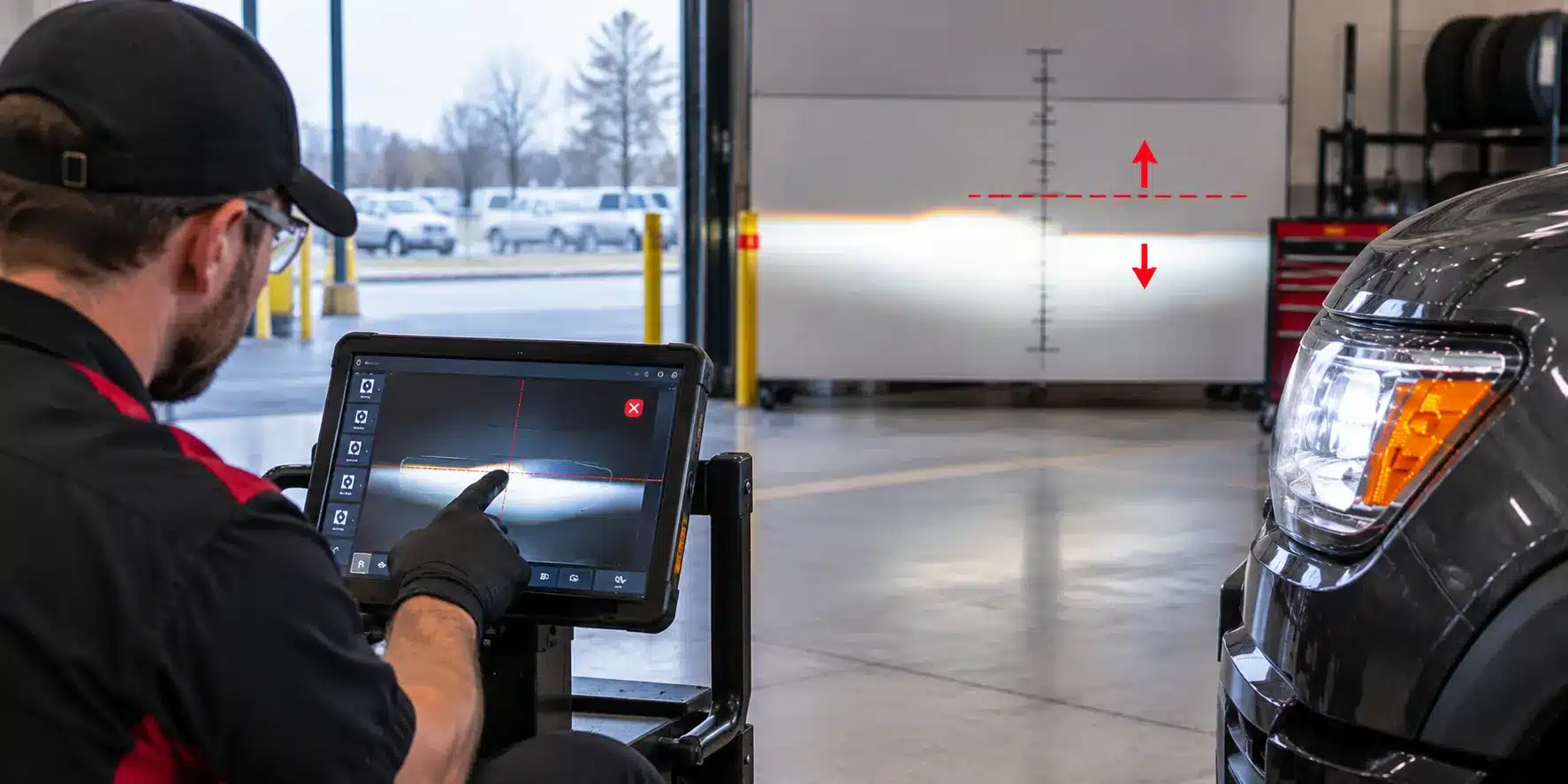
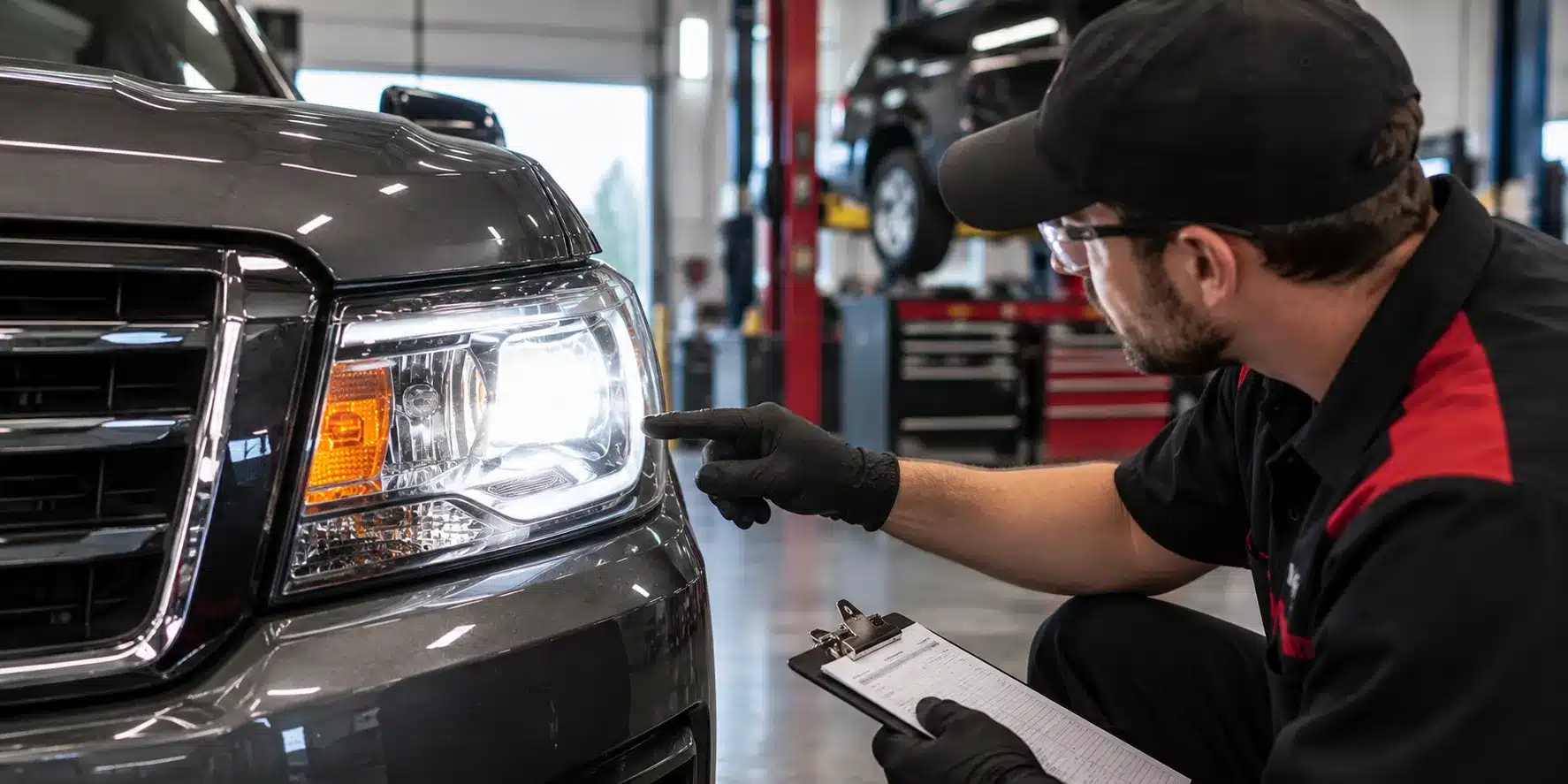
Headlight aiming checks where the light is directed, rather than simply whether the lamps illuminate. An assessment helps establish whether the beam position needs adjustment or whether another lighting problem requires attention.

Headlight Alignment for Everyday and Modern Vehicles

Provide your vehicle’s year, make, model, and lighting-system information when booking. Halogen, LED, HID, and adaptive headlights can require different procedures, so service suitability should be confirmed for your particular vehicle.

When a Professional Alignment Check Is Recommended

Request a check if the road appears unevenly illuminated, your headlights seem unusually high or low, or the lighting changed after repairs. Describe the concern before your appointment so the team can discuss the appropriate assessment.

What Is Digital Headlight Alignment?

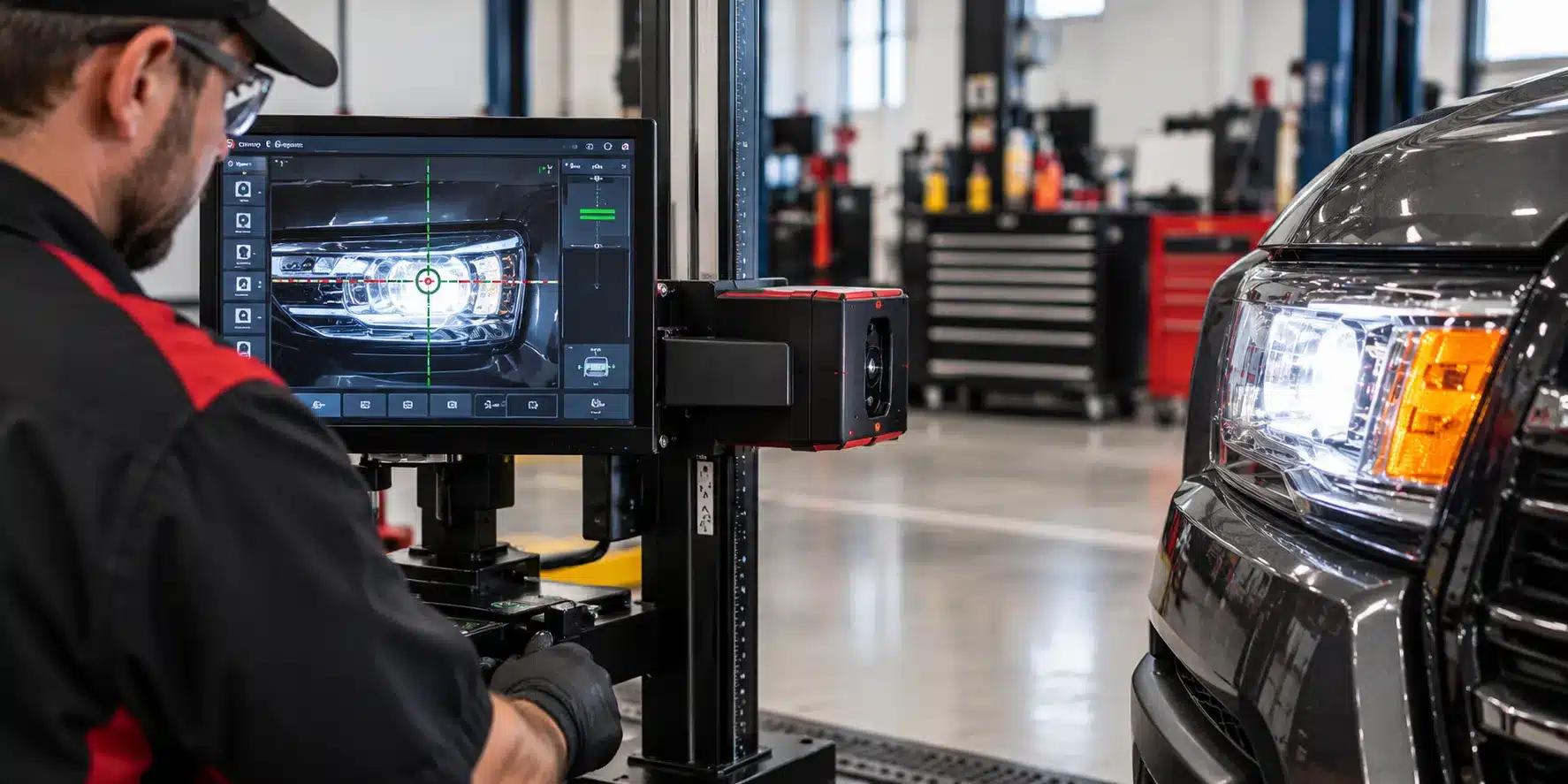
Digital headlight alignment uses electronic measurement equipment to assess headlamp aim and beam position against the applicable vehicle requirements. Adjustment is considered where the lamp design and manufacturer’s procedure permit it.
How Digital Measurement Helps Check Headlight Aim

How Digital Measurement Helps Check Headlight Aim

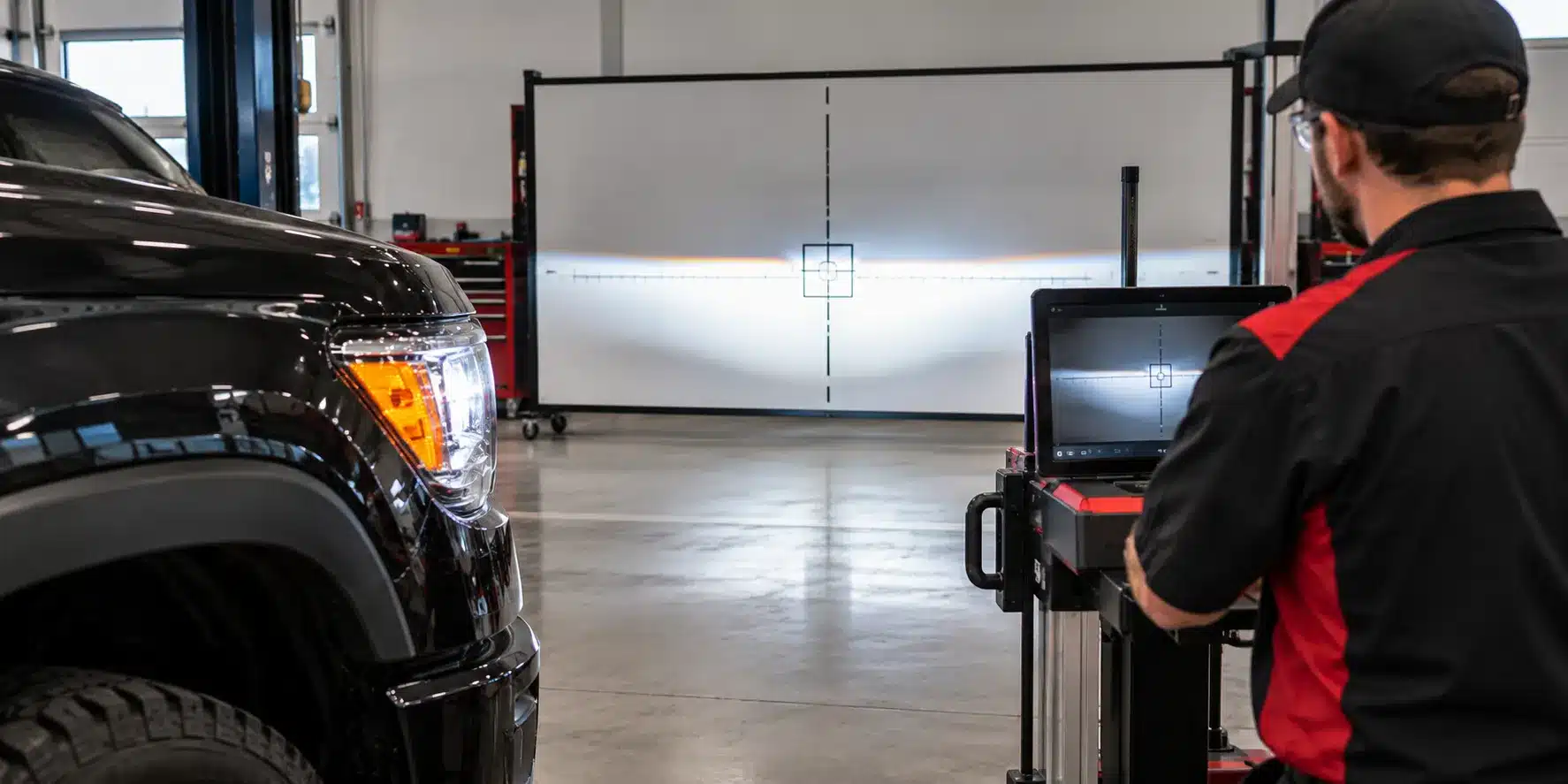
A digital headlamp tester can help evaluate beam position against a defined reference. Meaningful results depend on correct vehicle preparation, equipment positioning, and the appropriate specifications.
Checking the Headlight Beam Pattern

Checking the Headlight Beam Pattern

The assessment considers how the headlamp distributes light, including the low-beam cut-off where applicable. An unusual pattern may require investigation beyond an aiming adjustment.
Identifying Incorrect Vertical or Horizontal Aim

Identifying Incorrect Vertical or Horizontal Aim

Vertical aim concerns how high or low the beam points; horizontal aim concerns its direction across the road. Available adjustments vary by headlamp design and should follow the manufacturer’s instructions.
Digital Headlight Alignment ✱ Beam Position & Aim ✱ After-Collision Checks ✱ Digital Headlight Alignment ✱ Beam Position & Aim ✱ After-Collision Checks ✱Digital Headlight Alignment ✱ Beam Position & Aim ✱ After-Collision Checks ✱ Digital Headlight Alignment ✱ Beam Position & Aim ✱ After-Collision Checks ✱
When Do Your Headlights Need Alignment?

When Do Your Headlights Need Alignment?

  • 1

    Headlights Pointing Too High: A beam aimed too high may direct unnecessary light toward other drivers. If your headlights appear to illuminate well above the road, request an aim assessment.

  • 2

    Headlights Pointing Too Low: Headlights aimed too low may concentrate light close to the vehicle. Tell the team if you have noticed reduced illumination farther ahead.

  • 3

    Headlights Pointing Too Far Left or Right: Light directed unusually toward one side can indicate an aiming or installation concern. Describe whether the change affects one headlamp or both.

  • 4

    Poor Road Visibility at Night: Poor nighttime illumination does not always mean the headlights need adjustment. Lens condition, lighting faults and headlamp damage may also need assessment.

  • 5

    Excessive Glare for Other Drivers: Incorrect aim can contribute to glare, although vehicle loading, road geometry, and headlamp characteristics also matter. A professional check helps determine whether beam position is part of the concern.

Headlight Alignment After Collision or Vehicle Repair
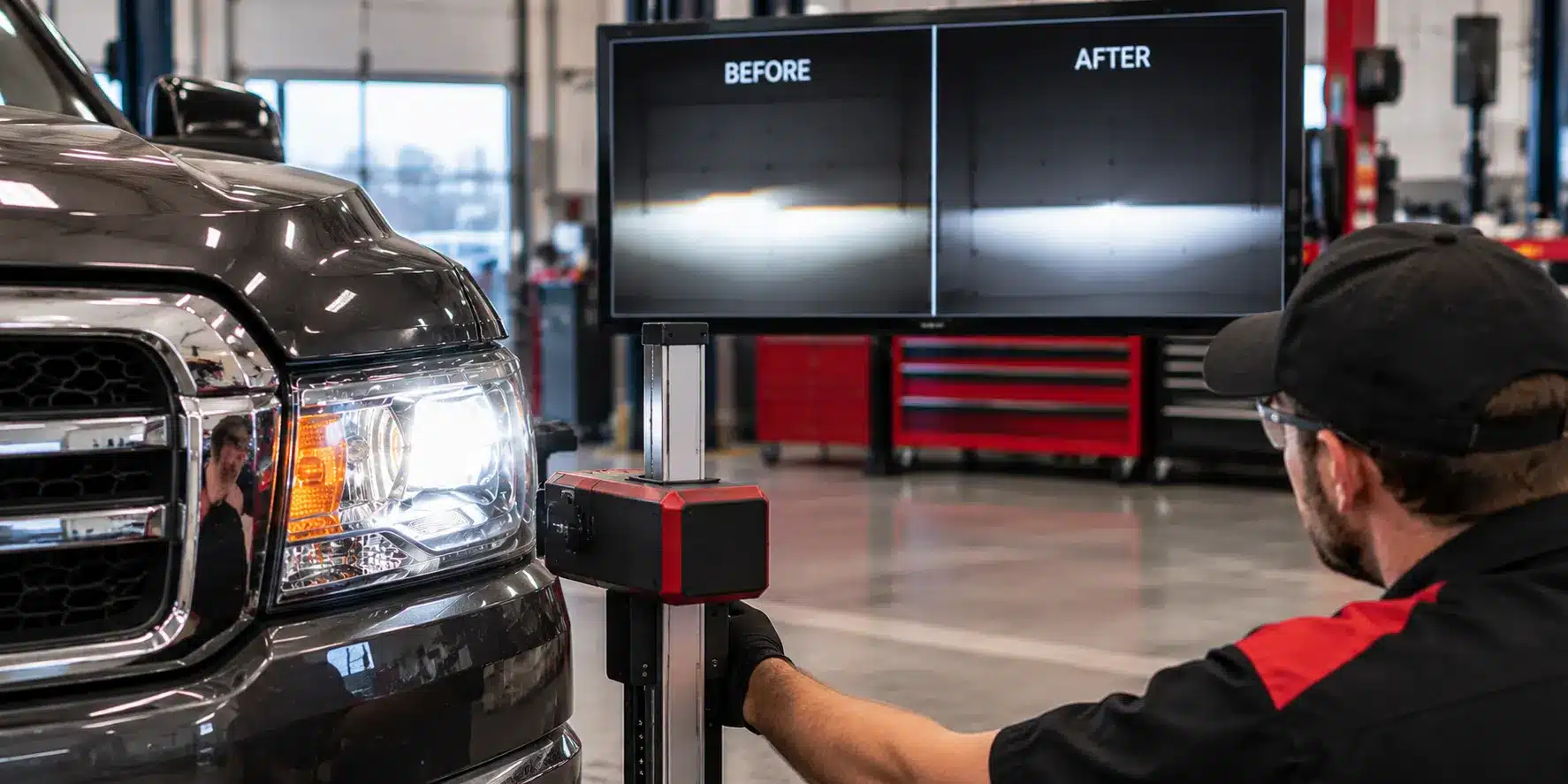
After Front-End Collision Damage

An impact can affect a headlamp housing, mounting point, or surrounding structure. Discuss headlight aim when arranging collision repair, especially if the lighting changed after the accident.

After Headlight Assembly Replacement

A replacement headlamp should have its aim verified according to the applicable procedure. Installing the assembly does not, by itself, establish that its beam position is correct.

After Body or Front-End Repair

Work around the headlamps may affect their position or supporting components. When planning auto body repair, ask whether headlight aiming needs to be included.

After Suspension or Ride-Height Changes

Changes in the vehicle’s stance can affect where its headlights point. Mention suspension work, lift or lowering modifications, and any persistent change in ride height when requesting an assessment.

How Digital Headlight Alignment Works

1. Inspect the Headlights and Lighting System

The starting point is the lighting concern and the condition of the headlamps. Damaged housings, loose mounts, or operating faults may require attention before adjustment.

2. Prepare and Position the Vehicle

Vehicle preparation follows the applicable instructions, including relevant tire-pressure, loading, and positioning requirements. These conditions help establish a suitable reference for measurement.

3. Measure the Headlight Beam

The beam is evaluated using the appropriate measurement procedure. The lighting system determines which operating mode and reference points are relevant.

4. Check Beam Position and Alignment

The measured beam position is compared with the applicable aiming requirements. The assessment establishes whether adjustment or further investigation is needed.

5. Make the Necessary Adjustment

Where adjustment is appropriate, the permitted aiming controls are used according to the vehicle-specific procedure. Damaged components or electronic faults may require separate work.

6. Recheck and Verify the Beam

The beam is checked again after adjustment. Ask the team to explain the findings, completed work, and any additional recommendations.

Vehicle preparation and adjustment requirements vary, particularly for electronically controlled headlamps.

Request an assessment with your vehicle details and lighting concern.

What Does Headlight Alignment Correct?

What Does Headlight Alignment Correct?

  • 1

    Vertical Headlight Aim: Vertical adjustment changes the beam’s upward or downward direction where the headlamp permits it. The target position comes from the applicable aiming requirements.

  • 2

    Horizontal Headlight Aim: Horizontal adjustment changes the side-to-side direction where the manufacturer provides an adjustment procedure. Some headlamps do not offer a separate horizontal adjustment.

  • 3

    Beam Height and Direction: Aiming addresses the position of the projected light. It does not repair a damaged lens, reflector, projector, or mounting component.

  • 4

    Low-Beam Pattern: Checking low-beam aim helps evaluate the position of its intended light distribution. Adjustment cannot necessarily correct a distorted pattern caused by a component fault.

  • 5

    High-Beam Pattern: High-beam position is considered according to the headlamp’s design and applicable procedure. Low and high beams are not always independently adjustable.

Digital Headlight Alignment for Modern Lighting Systems
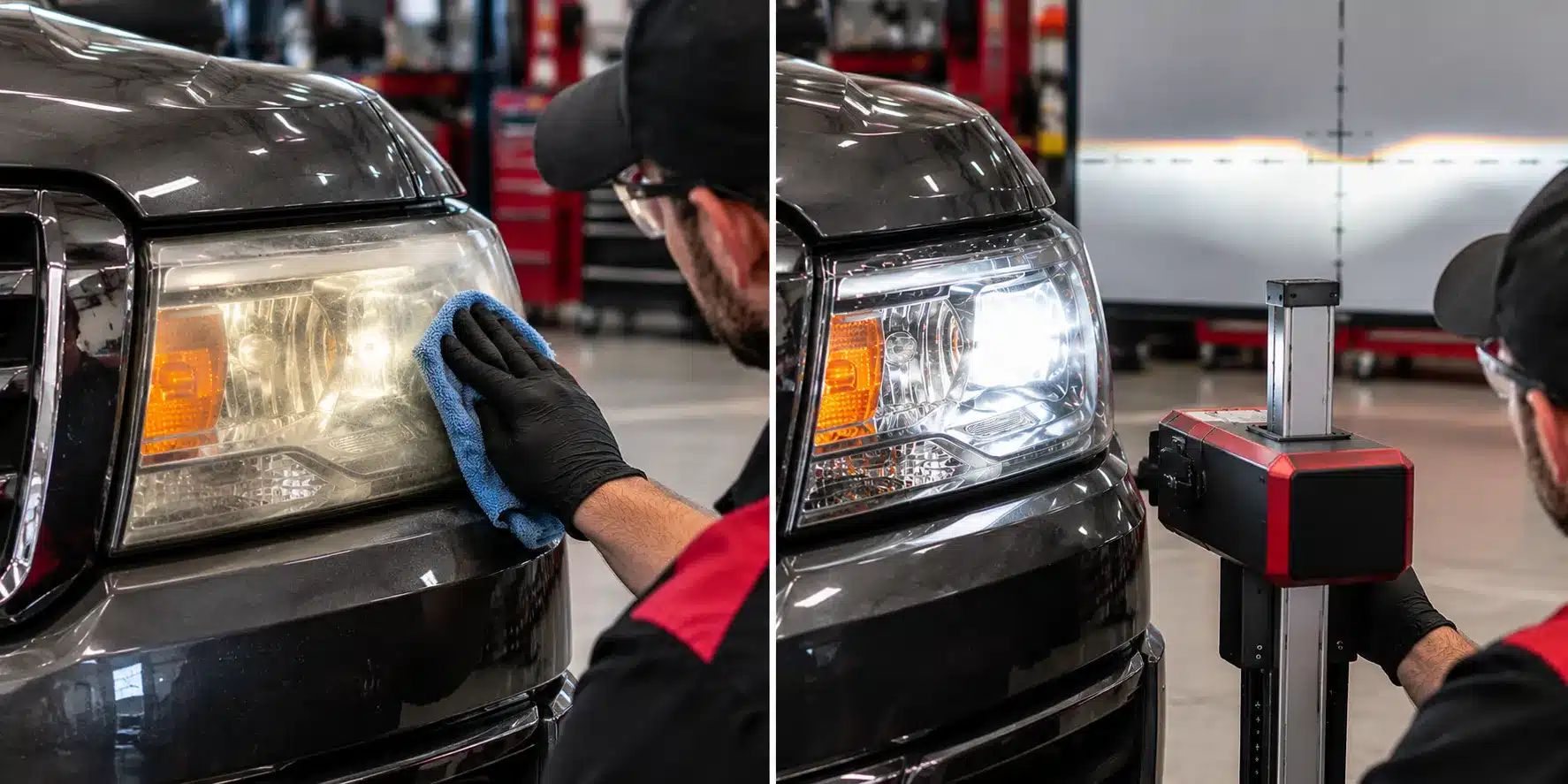
LED Headlights

LED headlamps can require aim verification and adjustment. Confirm service availability for your vehicle, particularly where its lighting system requires electronic setup.

HID and Xenon Headlights

HID and Xenon systems have vehicle-specific aiming and leveling requirements. Provide any warning messages or details of recent bulb or assembly replacement when contacting the shop.

Adaptive Headlight Systems

Adaptive headlights may change light distribution according to driving conditions. Required setup, diagnostic, or calibration work should be confirmed separately from a conventional beam adjustment.

Automatic Headlight Leveling

Automatic leveling does not eliminate the need to check the system’s basic setting and condition. Report persistent changes in beam height or leveling warnings.

Why Vehicle-Specific Specifications Matter

Lighting technology alone does not determine the complete procedure. The model, equipment, and repair history help establish the required assessment and available service.

Headlight Alignment vs. Headlight Restoration

Headlight Alignment vs. Headlight Restoration

  • 1

    What Headlight Alignment Addresses: Headlight alignment addresses where the beam points. It does not renew a cloudy lens or replace a failed light source.

  • 2

    What Headlight Restoration Addresses: Headlight restoration addresses deterioration of the outer lens surface where restoration is suitable. It does not establish correct beam aim or resolve every cause of reduced light output.

  • 3

    When a Vehicle May Need Both Services: A vehicle may have cloudy lenses and incorrect aim at the same time. Ask the team to assess both concerns and confirm whether any restoration work is available.

Why Proper Headlight Alignment Matters
Better Road Illumination

Correct aim helps place the headlamp’s available light in its intended position. Actual illumination also depends on the headlamp design and condition.

Reducing Unnecessary Glare

Appropriate aim can help reduce glare associated with an incorrectly positioned beam. It cannot eliminate glare in every road or driving situation.

Maintaining an Appropriate Beam Pattern

The objective is to position the headlamp’s designed light distribution appropriately. A malformed pattern may need component inspection rather than further adjustment.

Why Correct Aim Matters After Repairs

A repaired front end or newly installed headlamp should not be judged by appearance alone. Aim verification addresses the lighting position after relevant work.

How Much Does Digital Headlight Alignment Cost?

How Much Does Digital Headlight Alignment Cost?

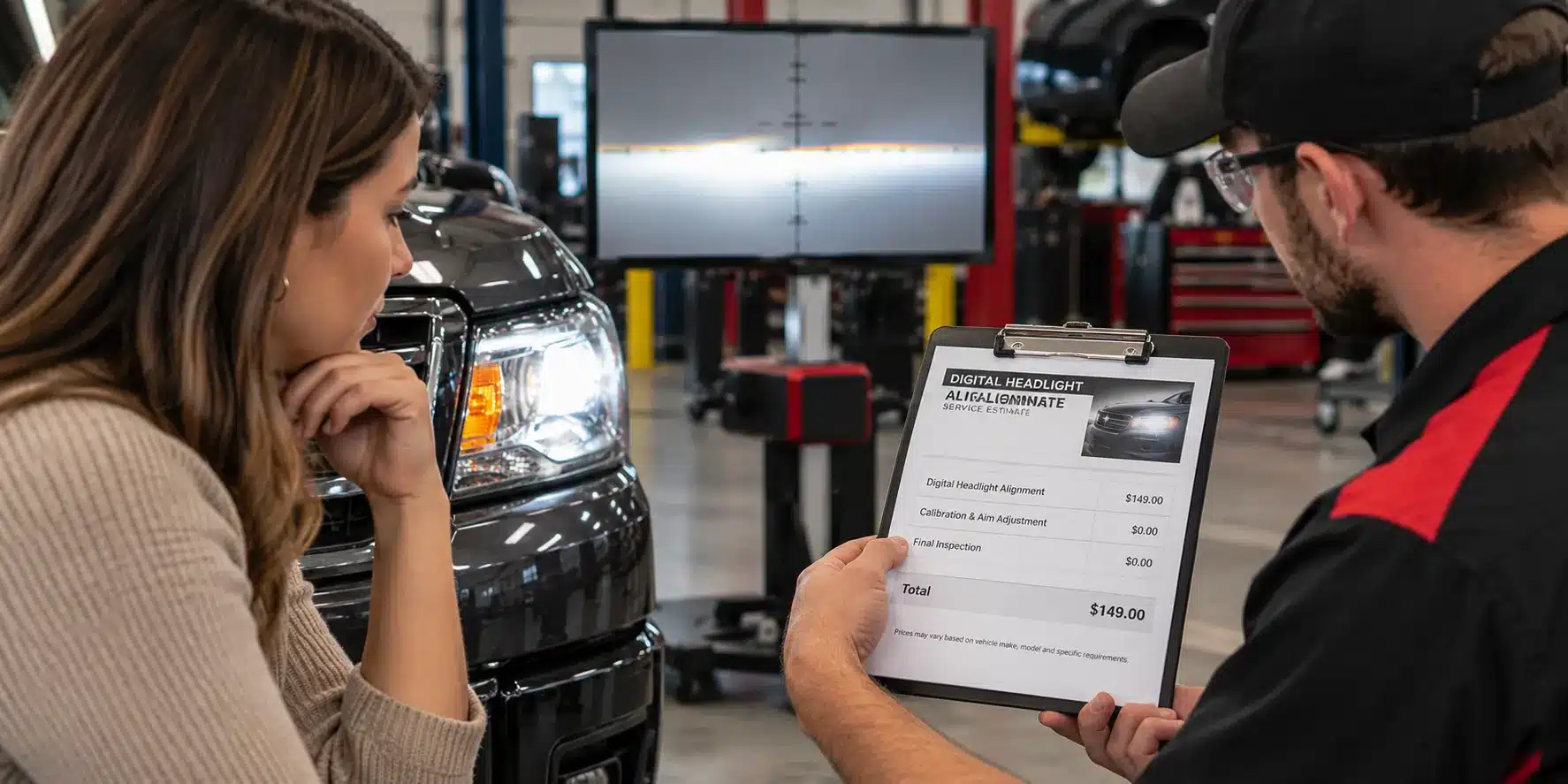
The cost depends on the vehicle, lighting system, and work required. Contact Capitol Collision for an estimate based on your headlight concern.

  • 1

    Vehicle and Headlight System: A conventional headlamp and an electronically controlled system may involve different assessment requirements. Provide the vehicle details before booking.

  • 2

    Inspection and Adjustment Requirements: The estimate depends on the checks and adjustments needed. Ask what is included and whether further diagnosis would carry a separate charge.

  • 3

    Additional Repairs That May Be Needed: A damaged housing, mounting problem, or lighting fault can add work beyond alignment. Review those recommendations and costs before authorization.

  • 4

    Why an Assessment Gives a More Accurate Estimate: An assessment helps distinguish an aiming issue from another lighting problem. This creates a clearer basis for the proposed work and price.

How Long Does Digital Headlight Alignment Take?

Service time depends on preparation, adjustment requirements, and any additional findings. Request a projected completion time when the scope is established.

Why Service Time Can Vary

Vehicle condition, access to adjustment points, and the required procedure can affect the appointment. Avoid assuming every vehicle needs the same amount of work.

Alignment vs. Additional Lighting Repairs

An aiming adjustment and a repair to damaged headlamp components are different scopes. Additional repairs may change the schedule.

Modern Headlight System Considerations

Electronic setup or system faults can require further assessment. Confirm how any necessary work will be handled before relying on a pickup time.

Digital Headlight Alignment in Willimantic, CT

Local Headlight Alignment Service

Capitol Collision provides a local starting point for drivers seeking a headlight alignment assessment in Willimantic. Call to discuss the concern and appointment availability.

Serving Genuine Eastern Connecticut Customers

Drivers from Eastern Connecticut can contact our Willimantic team about headlamp aiming. Confirm service suitability and scheduling before traveling to the facility.

Related Collision and Automotive Repair Needs

If the concern began after an accident or repair, explain that history when booking. Headlight assessment can be discussed alongside relevant body or collision work.

Why Choose Capitol Collision for Digital Headlight Alignment?

Dedicated Digital Headlight Alignment Service

Digital Headlight Alignment appears among Capitol Collision’s published services. Contact the team specifically about headlight aim rather than assuming the concern requires a replacement assembly.

Measurement-Based Service Approach

Digital measurement provides a basis for assessing beam position. Ask what checks and verification are included for your particular vehicle.

Experience With Collision-Related Vehicle Repairs

Capitol Collision’s published services include collision, body, and frame repairs. These services provide relevant context when a lighting concern follows front-end damage.

Clear Recommendations Based on Vehicle Condition

A useful starting point is an explanation of what needs adjustment and what requires repair. Discuss the proposed scope, estimate, and any additional system requirements before work begins.

Digital Headlight Alignment FAQs

Digital headlight alignment uses electronic measurement equipment to assess headlamp aim and beam position. Adjustment depends on the vehicle’s requirements and available aiming controls.

Unusually high, low, or sideways illumination can indicate an aiming concern. Poor nighttime visibility or a change after repairs also warrants assessment.

Possible causes include damaged mounts, headlamp replacement, collision damage, or changes in vehicle stance. An inspection helps establish the cause for your vehicle.

Yes. An impact can affect the headlamp or supporting components, so aim should be considered during the repair assessment.

Replacement headlamp assemblies should have their aim verified according to the applicable procedure. A new assembly is not automatically positioned correctly.

No. Alignment addresses beam direction; restoration addresses suitable outer-lens deterioration. Neither service replaces diagnosis of a lighting fault.

Many LED headlamps have aiming procedures. Confirm support for your specific vehicle and any required electronic setup before booking.

Yes. Incorrect aim can contribute to glare, although other vehicle and road conditions also influence it.

Cost depends on the vehicle, lighting system, and required work. Request an assessment-based estimate from Capitol Collision.

Timing depends on preparation, adjustment, and any additional repairs or system procedures. Ask for a projected completion time after the scope is confirmed.

Schedule Digital Headlight Alignment

  • Tell Us About Your Headlight Concern: Describe uneven illumination, an unusually high or low beam, glare concerns, or a change after repairs. Include when the issue began and whether one or both headlights are affected.

  • Provide Your Vehicle Year, Make, and Model: Include the year, make, model, and trim when known. Mention headlamp replacement, aftermarket lighting, suspension changes, or dashboard warnings.

  • Request an Assessment or Estimate: Contact Capitol Collision to confirm service availability and arrange the next step. Photographs and repair records can help explain the concern, while an inspection may be needed to establish the work.

Call 860-423-4516 or request a digital headlight alignment assessment.

Address: 109 Capitol Drive, Willimantic, CT 06226
Hours: Mon-Fri 8:00am – 5:00pm

Request a free quote