Frame Sealing & Rust Proofing · Eastern CT

Frame Sealing and Rust Proofing in CT

Concerned about rust beneath your vehicle? Capitol Collision in Willimantic, CT, offers frame sealing and rust proofing for drivers looking to address corrosion exposure and discuss protection for their vehicle.

The right starting point is the condition of the metal. A vehicle with intact factory protection, an older truck with surface rust, and a frame with extensive corrosion need different recommendations.

Tell us about your vehicle, any visible rust, and how you use it.

Professional Frame Sealing and Rust Proofing

Protect Your Vehicle From Rust and Corrosion

Rust protection is intended to reduce exposure of suitable metal surfaces to corrosive conditions. It should be planned around existing corrosion, surface preparation, and the protection already on the vehicle.

Frame and Underbody Rust Protection

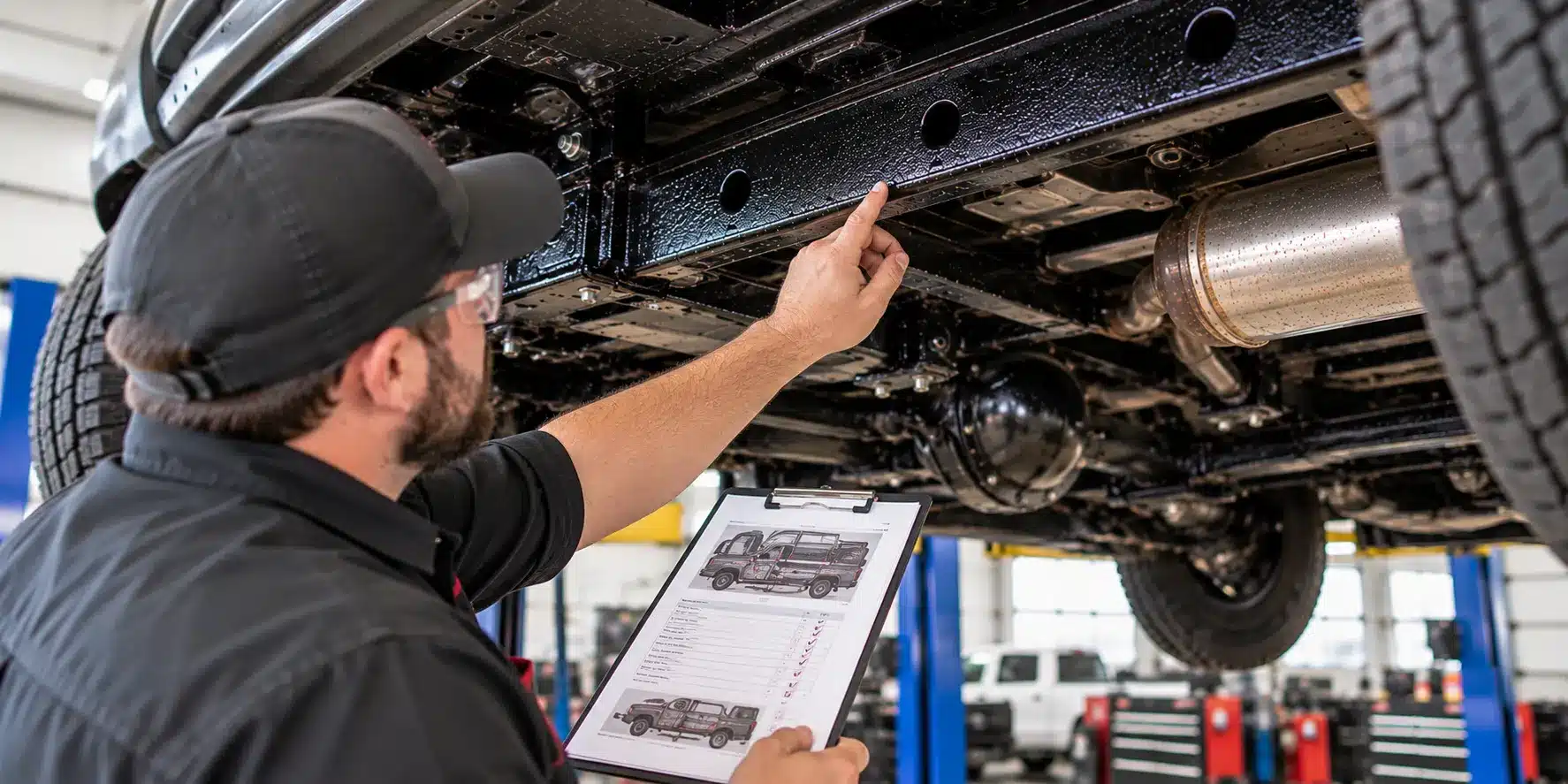
The frame and underbody can develop corrosion in areas that are difficult to see during everyday use. An assessment helps identify where protection may be appropriate and where further inspection is needed.

Preventative Rust Proofing for Connecticut Vehicles

If you regularly drive through Connecticut winters, discuss preventative protection before corrosion becomes an extensive repair concern. Regular cleaning and inspection remain part of ongoing vehicle care.

Rust Protection Based on Your Vehicle’s Condition

Contact Capitol Collision whether your vehicle has no obvious rust, light surface corrosion, or a previously treated underbody. Share any known repairs or coatings so they can be considered when discussing the work.

What Is Frame Sealing and Rust Proofing?
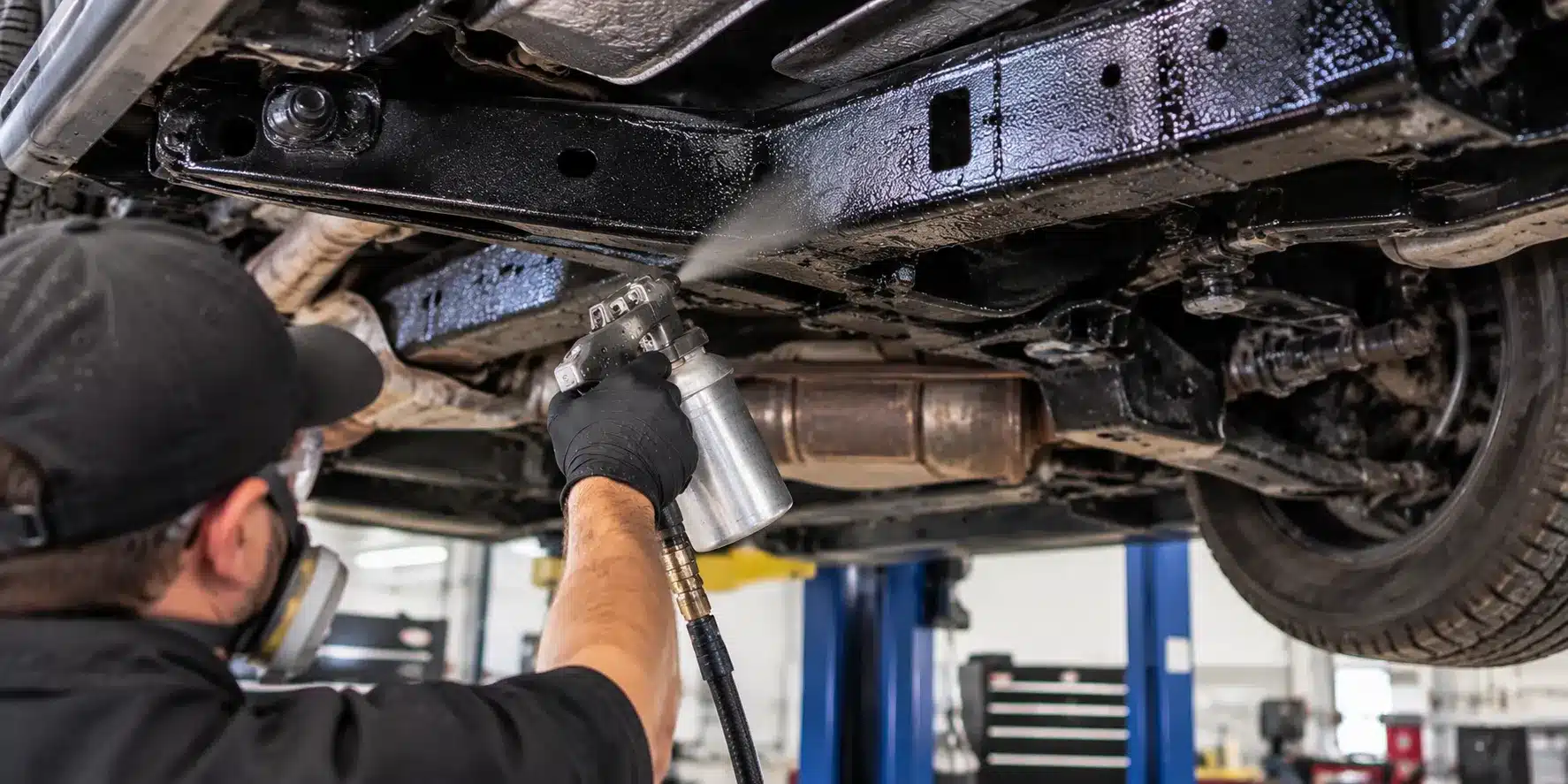
What Frame Sealing Does

What Frame Sealing Does

Frame sealing generally describes applying suitable protective material to prepared frame surfaces. It does not replace missing metal or repair a weakened structural component.
What Automotive Rust Proofing Does

What Automotive Rust Proofing Does

Automotive rust proofing refers to treatments intended to reduce corrosion exposure in selected areas. The surfaces treated and maintenance needs depend on the product and application method.
How Frame Sealing Helps Protect Against Moisture and Road Salt

How Frame Sealing Helps Protect Against Moisture and Road Salt

An appropriate protective layer can help limit contact between susceptible metal and moisture or salt contamination. Its effectiveness depends on preparation, coverage, condition, and maintenance.
Frame Sealing vs. Traditional Undercoating

Frame Sealing vs. Traditional Undercoating

Frame sealing focuses on frame protection, while undercoating generally describes material applied to underbody surfaces. These terms overlap, so ask which product, preparation, and treatment areas are included in your estimate.
Frame Sealing ✱ Rust Proofing ✱ Built for Connecticut Winters ✱ Frame Sealing ✱ Rust Proofing ✱ Built for Connecticut Winters ✱Frame Sealing ✱ Rust Proofing ✱ Built for Connecticut Winters ✱ Frame Sealing ✱ Rust Proofing ✱ Built for Connecticut Winters ✱
What Parts of a Vehicle Can Be Protected?

What Parts of a Vehicle Can Be Protected?

Coverage depends on the vehicle and treatment selected. Confirm the included areas before authorizing service.

  • 1

    Vehicle Frame and Frame Rails: Frame rails are an important assessment area on vehicles with a separate frame. Existing coatings, rust, and access affect whether treatment is appropriate.

  • 2

    Crossmembers and Chassis Components: Crossmembers and nearby chassis areas may need inspection for corrosion or damaged protection. The recommendation should distinguish suitable treatment surfaces from components needing repair.

  • 3

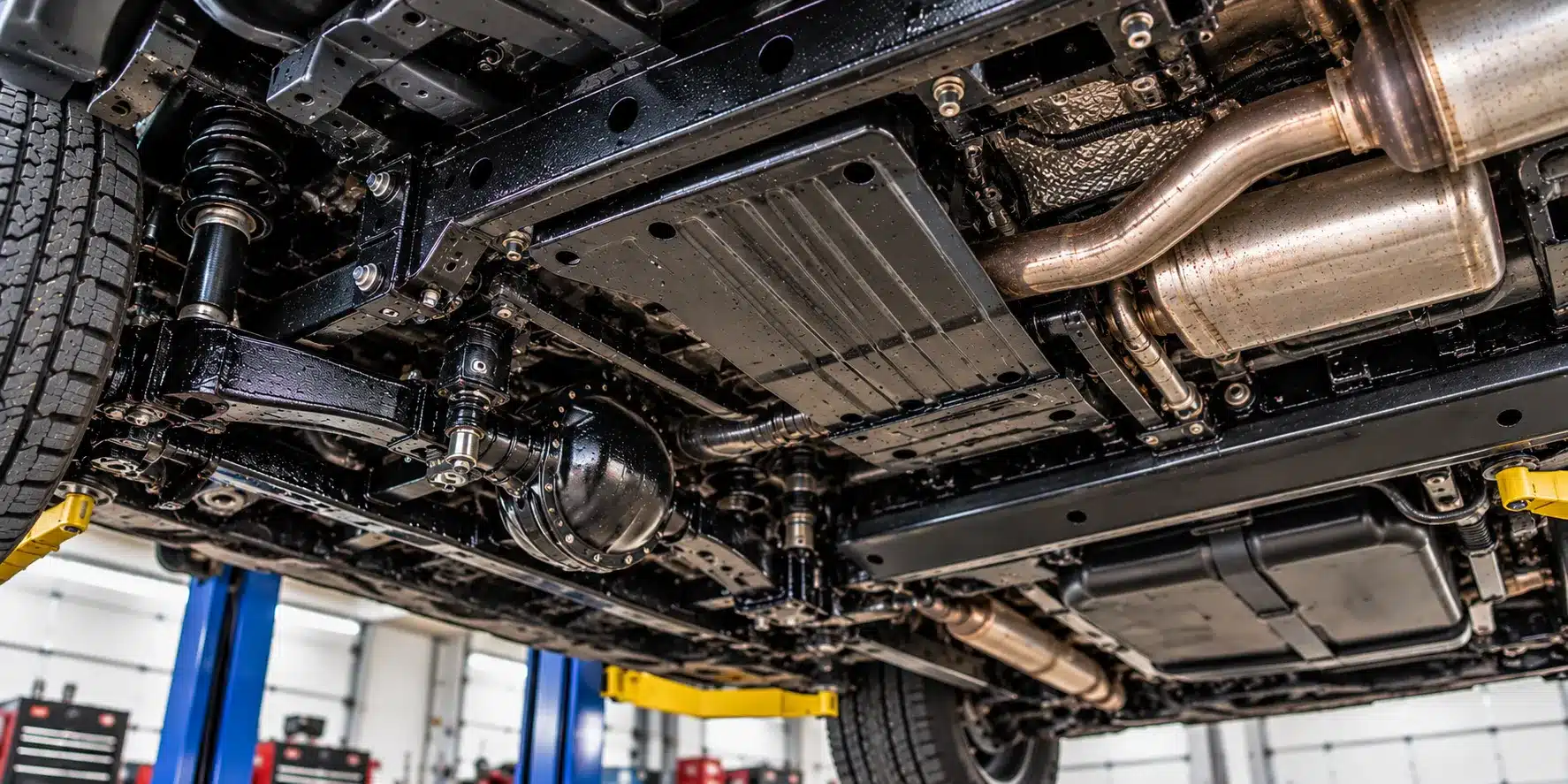
    Underbody and Undercarriage Areas: Underbody protection should be discussed in terms of specific areas rather than assumed to cover everything beneath the vehicle.

  • 4

    Frame Cavities, Seams and Crevices: Ask whether internal cavities, seams, and enclosed areas are included. Treating accessible exterior surfaces does not establish that protection reaches inside a frame.

  • 5

    Other Corrosion-Prone Metal Components: Other exposed metal may warrant attention, but not every component should receive the same treatment. Confirm suitability and exclusions for your vehicle.

Rust Proofing for Connecticut Winters
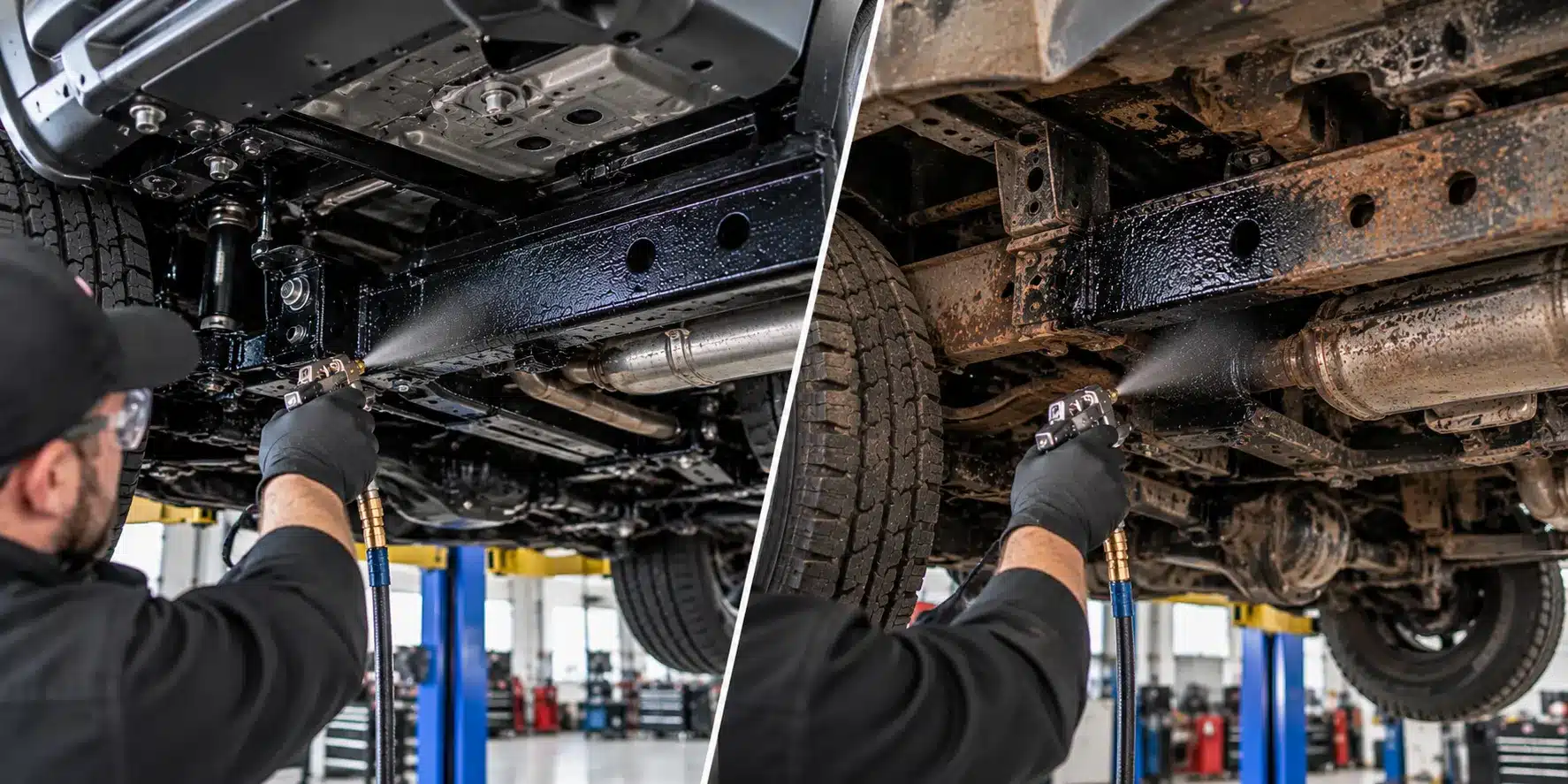
How Road Salt Contributes to Vehicle Corrosion

Salt exposure can accelerate corrosion when moisture reaches susceptible metal. Winter road treatments make underbody care particularly relevant for Connecticut drivers.

Moisture, Salt Brine and Road Debris

Road spray carries moisture, salt, and debris beneath the vehicle. Cleaning helps remove contamination that can accumulate around vulnerable areas.

Why Winter Driving Increases Corrosion Exposure

Repeated travel on treated roads creates recurring exposure. A protection plan should account for how frequently the vehicle encounters these conditions.

Why Frame Protection Matters in Connecticut

Discuss protection alongside regular underbody washing and inspection. A coating should support ongoing care rather than replace it.

Frame Sealing for New and Used Vehicles

Frame Sealing for New and Used Vehicles

  • 1

    Rust Prevention for New Vehicles: Before adding protection to a newer vehicle, consider its existing factory treatments and manufacturer guidance. Additional treatment should be compatible with the vehicle.

  • 2

    Protecting an Older Vehicle: Older vehicles need a close look at rust, previous repairs, and existing coatings. Visible appearance alone may not establish the condition underneath.

  • 3

    Rust Proofing Used Cars, Trucks and SUVs: Provide the vehicle’s year, make, model, and any available treatment history. These details help frame the assessment and discussion of suitable work.

  • 4

    When Preventative Protection Makes Sense: Preventative treatment may be worth considering when suitable surfaces remain sound, and the vehicle faces continuing corrosion exposure.

Can You Rust-Proof a Vehicle That Already Has Rust?

Some surface rust may be compatible with an appropriate preparation and treatment approach. Extensive corrosion requires assessment before protection is considered.

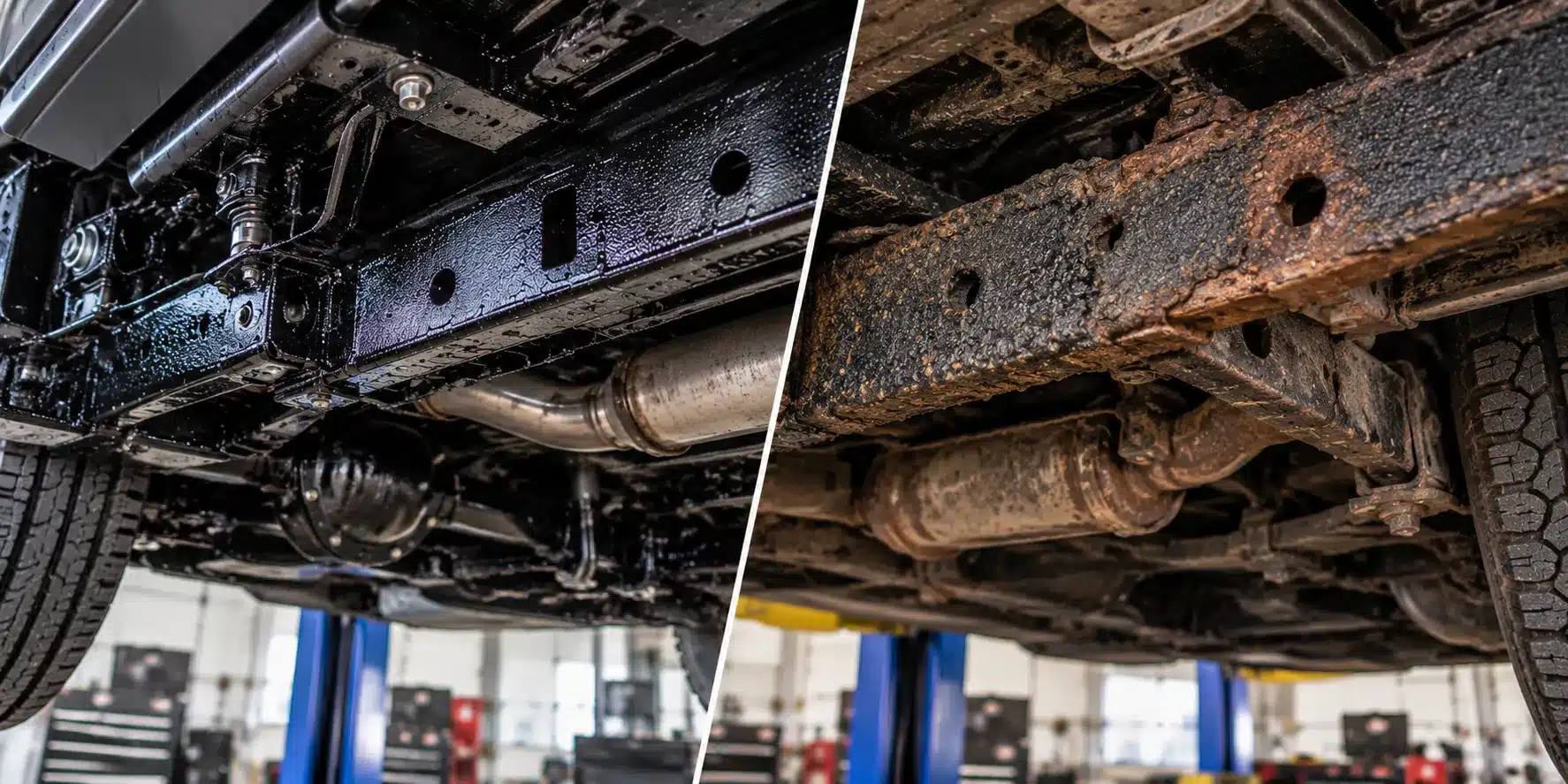
Surface Rust vs. Severe Corrosion

Surface discoloration differs from heavy scaling, holes, or substantial metal loss. The extent of deterioration matters more than the appearance of a freshly coated surface.

Why Existing Rust Should Be Inspected First

Inspection helps distinguish a protection project from a repair concern. Coating over an area does not establish that the underlying metal is sound.

When Rust Proofing May Help Slow Further Corrosion

Treatment may help reduce further exposure where the metal remains suitable, and preparation meets the selected product’s requirements. Results depend on the condition and treatment used.

When Existing Corrosion May Require Repair Instead

Deteriorated structural metal needs a repair assessment before cosmetic coverage or protective treatment. Capitol Collision’s auto body and frame repair services provide a related point of contact when damage extends beyond protection.

Our Frame Sealing and Rust Proofing Process
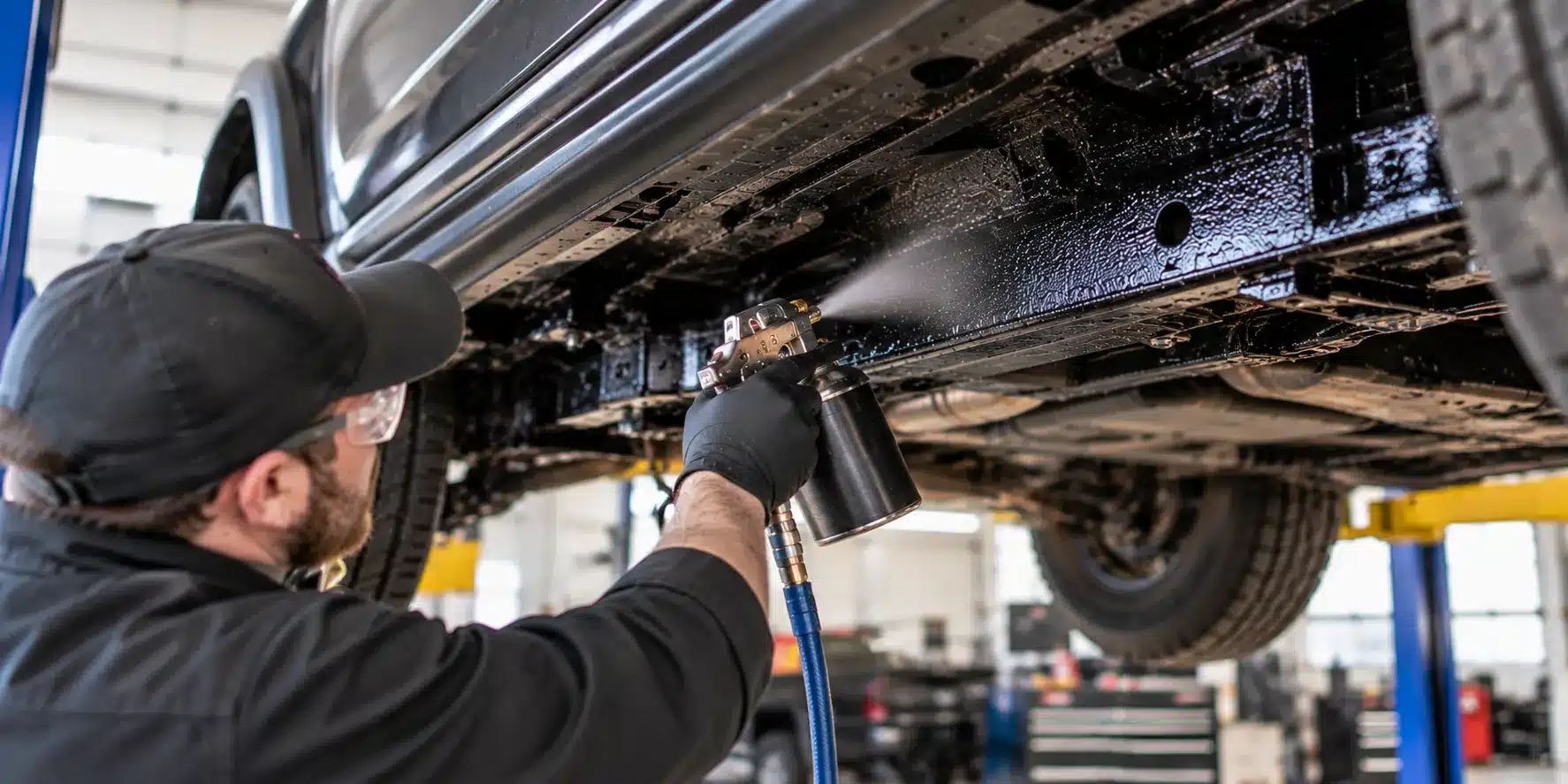
1. Inspect the Frame and Underbody

The starting point is identifying the vehicle’s condition and discussing the areas of concern.

2. Identify Rust, Corrosion, and Vulnerable Areas

The assessment should distinguish existing corrosion, damaged coatings, and areas that may benefit from protection.

3. Clean and Prepare the Underbody

The cleaning requirements depend on contamination, access, and the intended treatment. Ask whether additional surface-cleaning work, including hydroblasting, is appropriate and available for your particular project.

4. Prepare Surfaces for Protection

Preparation must suit both the underlying surface and protective material. Existing coatings and loose corrosion may affect the required work.

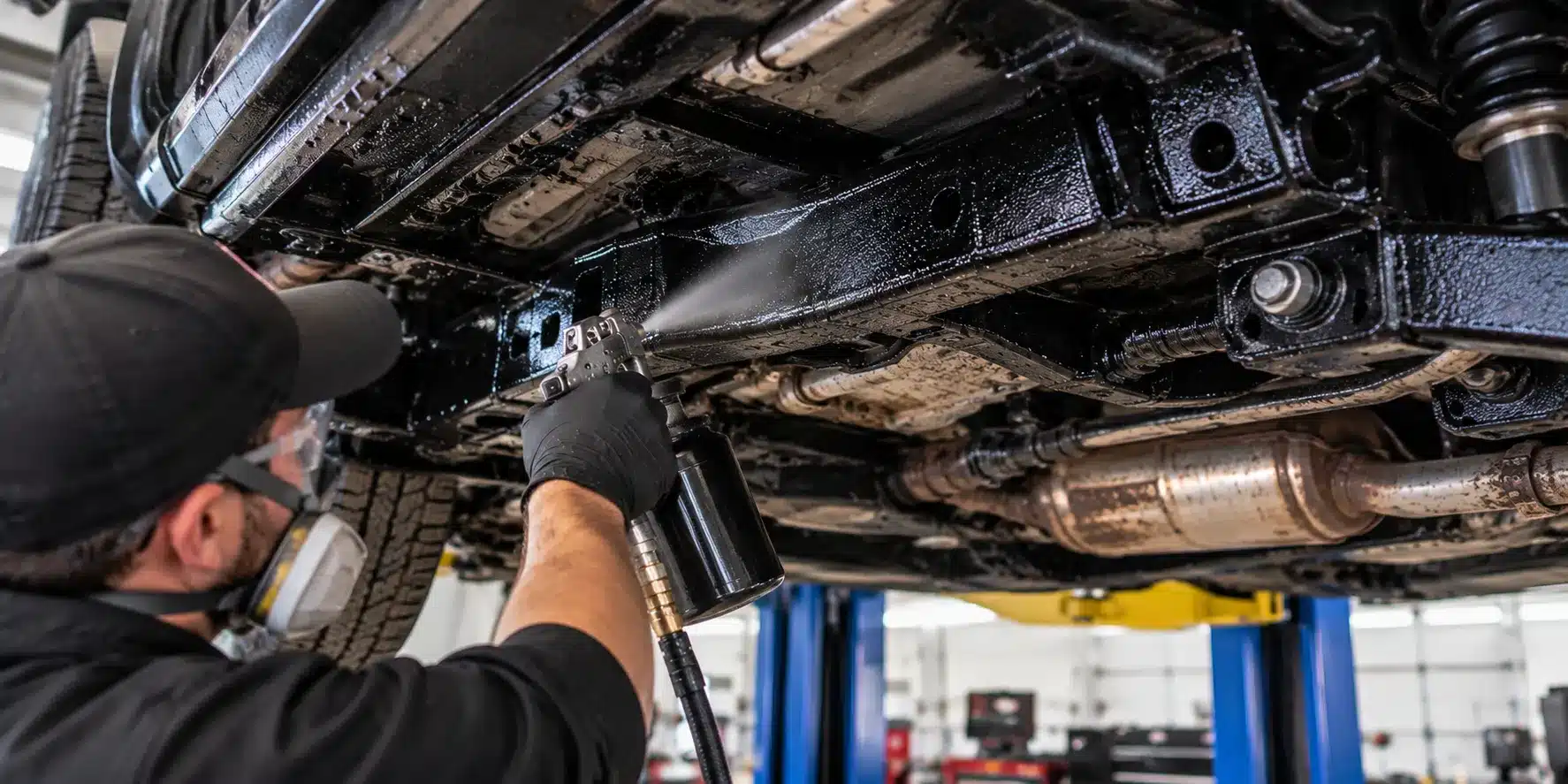
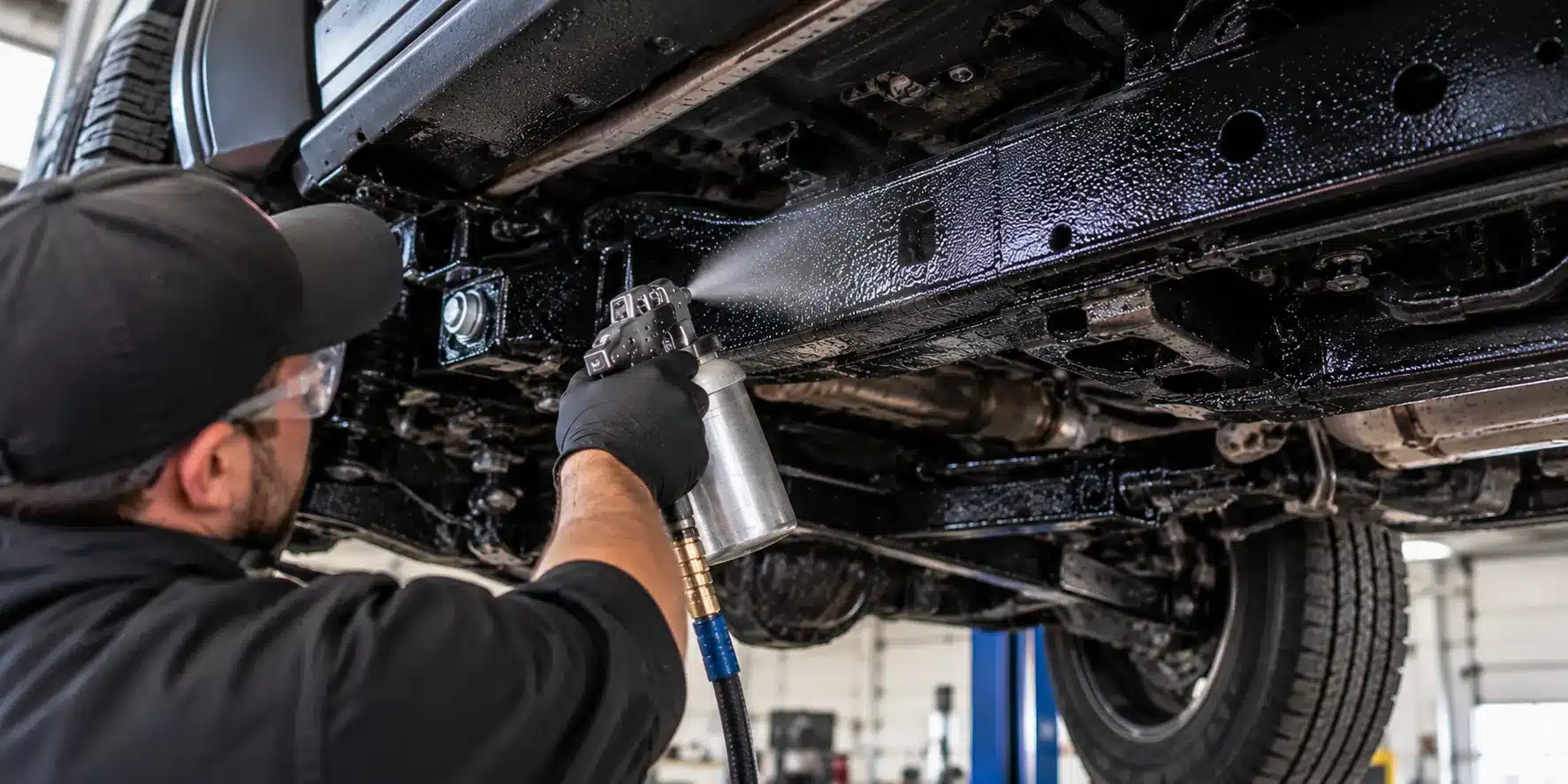
5. Apply Frame Sealing and Rust-Proofing Protection

The agreed treatment should be applied to the specified areas, with unsuitable components and surfaces excluded.

6. Inspect the Finished Application

Review the completed work, any remaining concerns, and the maintenance recommendations before collecting the vehicle.

What Makes Professional Rust Proofing Different?

What Makes Professional Rust Proofing Different?

  • 1

    Proper Underbody Preparation: Preparation affects how well protection can perform. Ask what cleaning and surface work the estimate includes.

  • 2

    Reaching Seams, Cavities and Hard-to-Reach Areas: Access can limit coverage. Establish which difficult areas can be treated and which remain outside the service scope.

  • 3

    Protecting Areas That Should Not Be Coated: Application should respect vehicle and product requirements, including areas where coating could interfere with operation or drainage.

  • 4

    Applying the Appropriate Protection for the Vehicle: Product suitability matters more than choosing a treatment solely by thickness or appearance. Discuss compatibility with existing surfaces and protection.

  • 5

    Final Inspection and Maintenance Recommendations: Ask how to care for the application, what changes to watch for, and when its condition should be checked again.

Frame Sealing and Rust Proofing for Trucks and SUVs
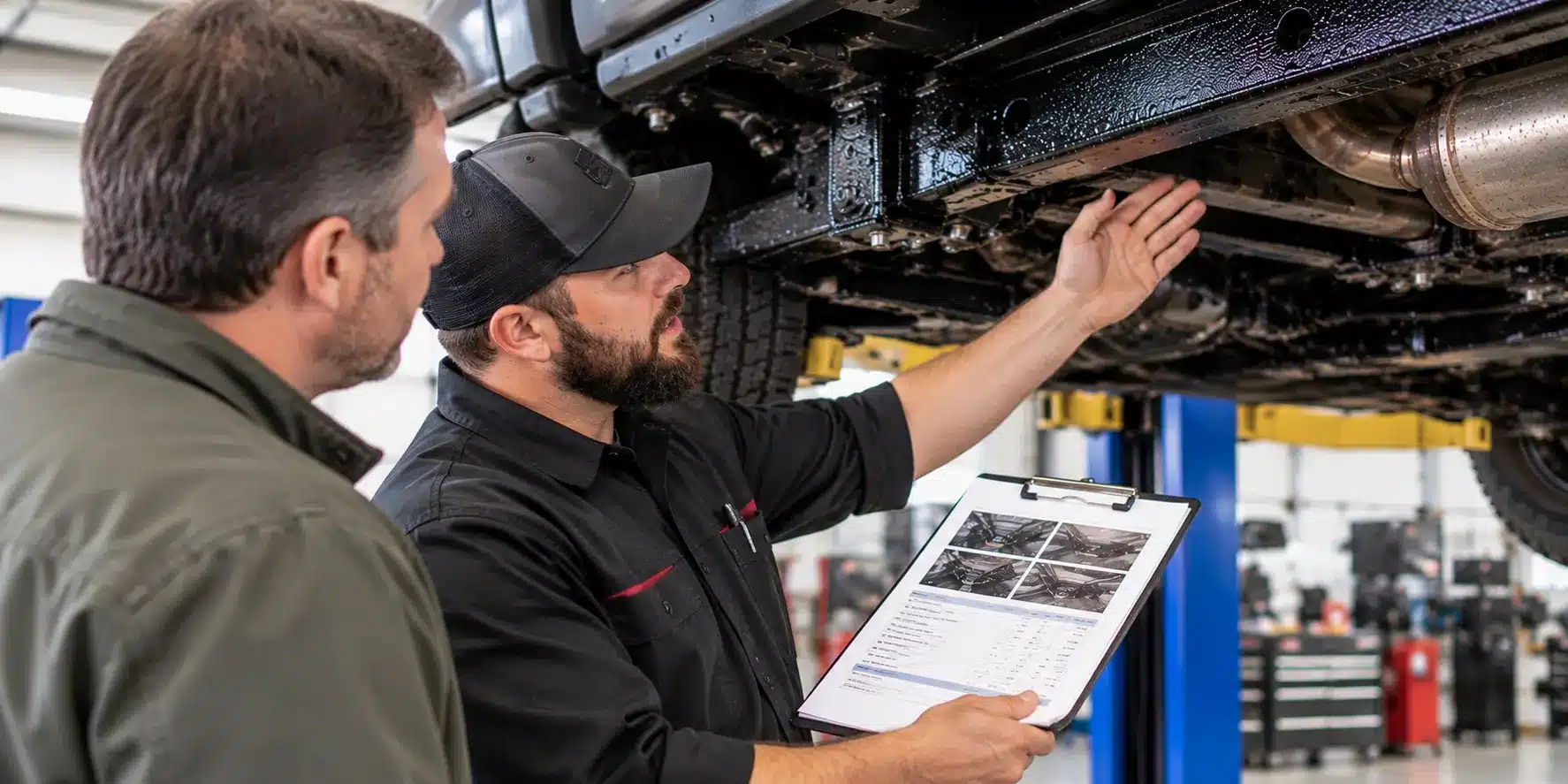
Pickup Truck Frame Protection

If your pickup has visible frame rust or damaged protection, request an assessment before choosing a treatment.

SUV Underbody Rust Protection

SUV construction varies. Provide your model so the discussion can address its actual structural and underbody layout.

Work and Daily-Use Vehicles

Explain how your vehicle is used, including winter mileage and work-related exposure. Confirm vehicle suitability and scheduling before arranging service.

Vehicles Frequently Driven in Winter Conditions

Frequent winter driving makes inspection and maintenance especially relevant. Protection should be considered alongside removal of accumulated road contamination.

How Much Does Frame Sealing and Rust Proofing Cost?

How Much Does Frame Sealing and Rust Proofing Cost?

Cost depends on the vehicle, surface condition, preparation, and agreed treatment areas. An assessment is needed before providing a meaningful estimate.

  • 1

    Vehicle Size and Underbody Area: The size and accessibility of the treatment area affect labor and material requirements.

  • 2

    Existing Rust and Surface Condition: Rust, contamination, or deteriorated coatings can increase preparation needs.

  • 3

    Preparation Requirements: Cleaning and surface work may account for a substantial part of the project. Confirm what is included.

  • 4

    Type and Amount of Protective Material: Material choice and coverage affect cost. Ask which treatment is proposed and why it suits the vehicle.

  • 5

    Why an Inspection Helps Determine the Cost: Inspection provides a clearer basis for separating protection work from any additional repairs.

How Long Does Frame Sealing and Rust Proofing Take?

Service time varies with preparation, application requirements, and any additional work identified.
Why Service Time Varies

Vehicles arrive with different levels of contamination, corrosion, and existing protection.

Vehicle Size and Condition

Larger treatment areas or difficult access can affect the time needed.

Cleaning and Preparation Requirements

Additional cleaning or surface preparation may extend the appointment.

Drying and Application Time

Drying, curing, and handling requirements depend on the selected treatment. Confirm pickup timing and aftercare instructions when scheduling.

How Often Should a Vehicle Be Rust Proofed?

How Often Should a Vehicle Be Rust Proofed?

There is no single reapplication interval for every treatment. Follow product-specific guidance and inspect the existing protection before adding more.

  • 1

    Factors That Affect Reapplication: Material type, coverage, wear, and exposure all influence maintenance needs.

  • 2

    Connecticut Winter Driving Conditions: Regular exposure to treated roads should be part of the maintenance discussion.

  • 3

    Daily-Driven vs. Lightly Driven Vehicles: Daily use and storage conditions create different exposure patterns. Mileage alone does not determine treatment needs.

  • 4

    Inspecting the Protection Before Reapplication: An inspection helps identify worn areas, damaged coatings, or corrosion requiring attention rather than another layer.

Frame Sealing and Rust Proofing in CT

Rust Protection for Connecticut Drivers

Capitol Collision provides a local contact for discussing frame sealing, vehicle condition, and corrosion concerns.

Frame Sealing for Willimantic and Eastern Connecticut

Located in Willimantic, Capitol Collision offers a convenient starting point for Eastern Connecticut owners considering this service.

Protection for Vehicles Exposed to Winter Road Salt

Describe your winter driving and any visible underbody rust when requesting an appointment.

Schedule a Local Rust Protection Assessment

Call 860-423-4516 to discuss your vehicle and the next step.

Why Choose Capitol Collision for Frame Sealing and Rust Proofing?

A Condition-Based Approach to Rust Protection

Start with the condition of the vehicle rather than assuming every rust concern needs the same treatment.

Attention to Underbody and Frame Condition

Discuss both visible corrosion and areas that need closer inspection before protection is applied.

Professional Preparation Before Protection

Ask for a clear explanation of the preparation included in the proposed work.

Clear Recommendations Based on Vehicle Condition

Understand the treatment scope, exclusions, additional repair concerns, and maintenance needs before authorizing service.

Local Service for Connecticut Vehicle Owners

Capitol Collision lists frame sealing and rust proofing alongside its automotive repair services, giving local owners a place to discuss protection and related damage.

Frame Sealing and Rust Proofing FAQs

Rust protection may be worth considering for a suitable vehicle exposed to winter road salt. Its value depends on condition, treatment, maintenance, and your ownership plans.

Rust proofing is the broader corrosion-prevention purpose; undercoating describes an underbody application. Ask about the actual product and coverage rather than relying on the service name.

Rust proofing cannot restore metal already lost to corrosion. Appropriate preparation and treatment may help reduce further exposure, but existing damage still needs assessment.

Some surface-rusted frames may be suitable after preparation. Heavy scaling, holes, or significant deterioration need assessment before coating.

Arrange an assessment before corrosion becomes extensive. Suitable application timing depends on surface condition, preparation, and product requirements.

Follow the treatment’s maintenance guidance. Inspect its condition before deciding whether reapplication is needed.

It may be appropriate in some cases, but existing factory protection and manufacturer guidance should be considered first.

The estimate depends on vehicle size, condition, preparation, material, and coverage. Contact Capitol Collision with your vehicle details to arrange an assessment.

Preparation, drying, application, and additional work determine the schedule. Confirm an expected completion time when booking.

Suitable protection can help reduce contact between susceptible metal and salt-contaminated moisture. Washing, inspection, and maintenance remain necessary.

Request a Frame Sealing and Rust Proofing Estimate

  • Tell Us About Your Vehicle: Provide the year, make, model, and how you normally use it.

  • Share Information About Existing Rust: Describe visible rust, previous treatments, and known underbody repairs. Photos can help explain the concern, although an inspection may still be needed.

  • Schedule a Frame and Underbody Assessment: Call 860-423-4516 or request a rust protection assessment.

  • Get a Rust Protection Recommendation: Discuss whether the vehicle needs preventative protection, additional preparation, or repair before treatment, along with the proposed scope and maintenance requirements.

Address: 109 Capitol Drive, Willimantic, CT 06226
Hours: Mon-Fri 8:00am – 5:00pm

Request a free quote