Custom Exhaust Systems · Willimantic, CT

Custom Exhaust Systems in Willimantic, CT

A damaged pipe, unwanted rattle, or poorly fitting exhaust can leave you deciding between a repair and a replacement. You may also be planning a classic-vehicle project or considering changes to your vehicle’s exhaust sound.

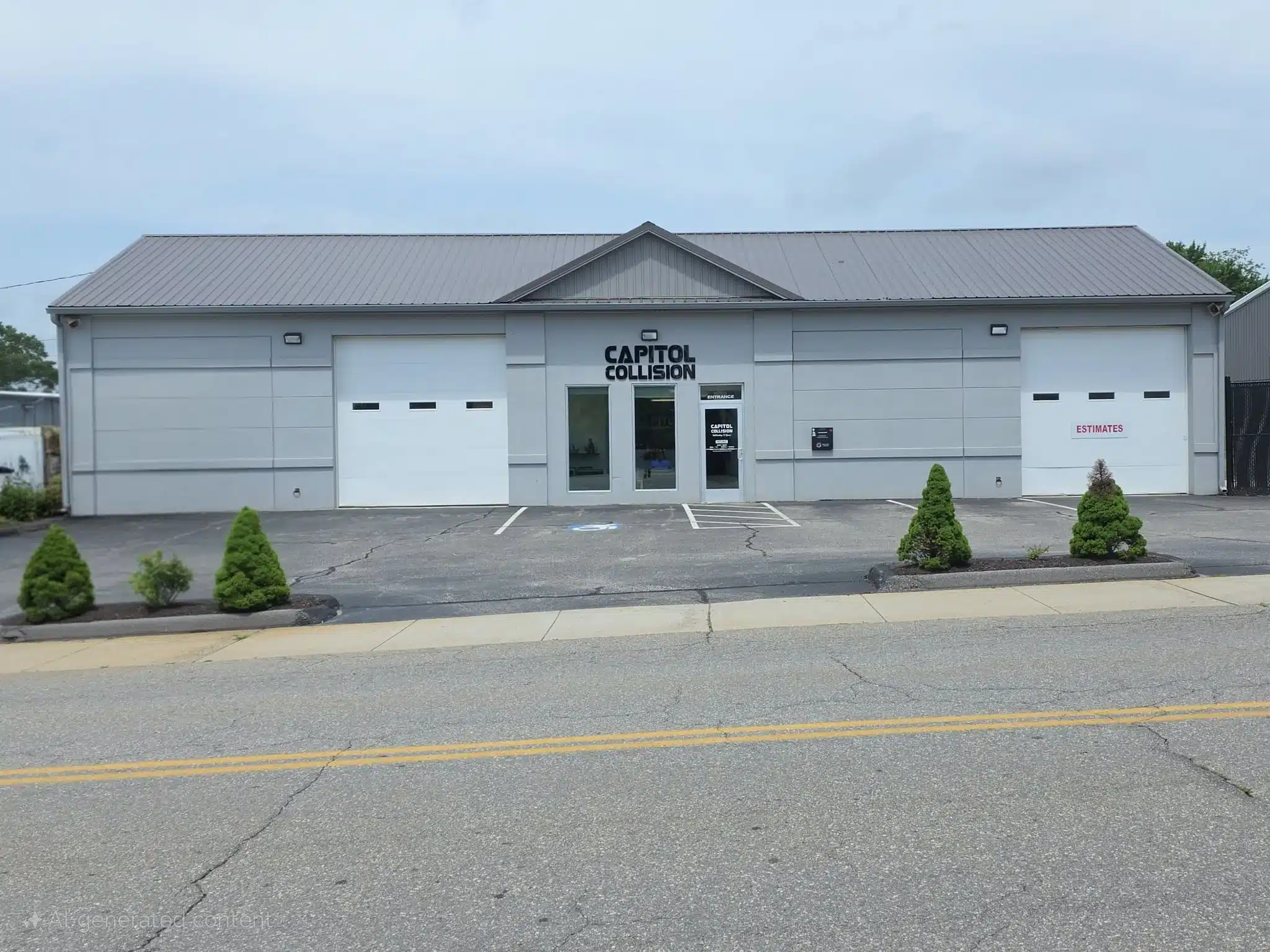
Capitol Collision offers custom exhaust services in Willimantic, CT. Tell our team about your vehicle, its existing system, and the result you want. An assessment helps determine whether repair, replacement, or a custom exhaust system is appropriate.

Review the available work, proposed components, and installation requirements before authorizing your project.

Custom Exhaust Systems Built Around Your Vehicle

Vehicle-Specific Custom Exhaust Fabrication

Custom exhaust fabrication begins with the vehicle’s configuration and the work required. Provide the year, make, model, engine, and details of previous exhaust modifications so the team can discuss suitable options.

Custom Exhaust for Performance, Sound and Fitment

Explain whether your priority is addressing damage, changing the exhaust note, improving fitment or discussing a performance-oriented project. Component choices should account for everyday use, installation requirements, and applicable regulations.

Exhaust Solutions for Damaged, Rusted or Hard-to-Replace Systems

A damaged component does not automatically require a complete custom system. Assessment helps establish whether a limited repair, suitable replacement or custom approach makes sense.

Custom Exhaust for Modified and Specialty Vehicles

Provide photographs and a modification list when requesting work on a modified or specialty vehicle. Confirm that the proposed configuration and required operations fall within Capitol Collision’s available services before booking.

What Is a Custom Exhaust System?

A custom exhaust system uses selected components or adaptations planned around a vehicle’s configuration and project requirements. The scope may involve one section or a more extensive installation.
How a Custom Exhaust Differs From a Standard Replacement

How a Custom Exhaust Differs From a Standard Replacement

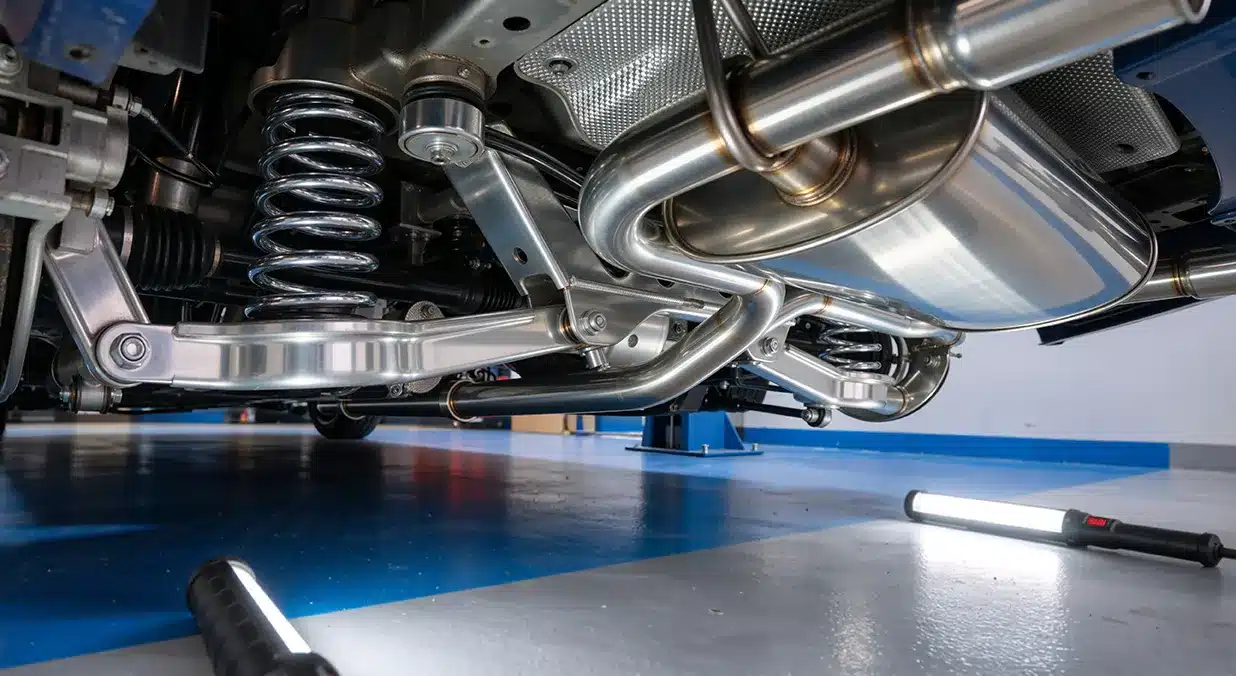
A standard replacement is intended for a defined vehicle configuration. Custom work addresses requirements that a standard assembly may not accommodate, such as altered routing or unavailable replacement sections.
When Custom Fabrication Makes More Sense Than an Off-the-Shelf System

When Custom Fabrication Makes More Sense Than an Off-the-Shelf System

Custom fabrication may be worth discussing when standard components cannot meet the project’s fitment requirements. Confirm the available alternatives before assuming customization is necessary.
How Vehicle Condition and Configuration Affect the Design

How Vehicle Condition and Configuration Affect the Design

Existing corrosion, previous modifications and surrounding components affect the proposed scope. Engine configuration and underbody layout also help determine suitable routing and component placement.
Custom Exhaust Systems ✱ Fabrication & Fitment ✱ Repair or Replace ✱ Custom Exhaust Systems ✱ Fabrication & Fitment ✱ Repair or Replace ✱Custom Exhaust Systems ✱ Fabrication & Fitment ✱ Repair or Replace ✱ Custom Exhaust Systems ✱ Fabrication & Fitment ✱ Repair or Replace ✱

Custom Exhaust Services We Provide

Capitol Collision lists custom exhaust services. Discuss the following project requirements with our team to confirm which components and operations can be included in your estimate.

Custom Exhaust Pipe Fabrication

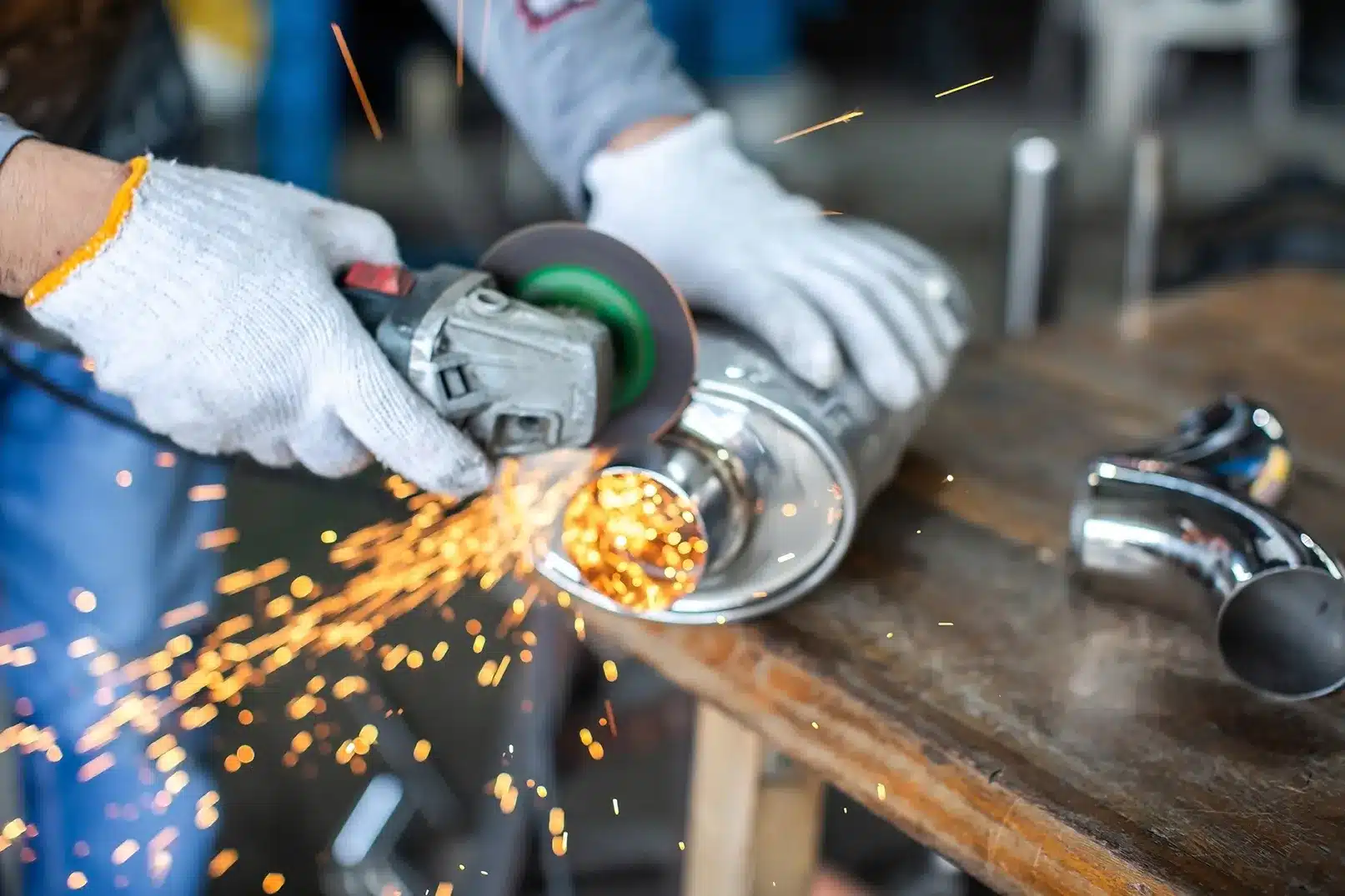
Identify the pipe section or routing problem you want addressed. Confirm the available fabrication operations, materials and installation scope before selecting components.

Custom Exhaust Welding and Fabrication

Ask which joining and fabrication methods are available for the proposed work. Capitol Collision also lists fabrication services, but exhaust-specific methods need confirmation.

Custom Muffler Installation

For a custom muffler installation inquiry, explain whether you are addressing damage, unwanted noise or a proposed sound change. Confirm component suitability and installation availability before purchasing a muffler.

Exhaust Pipe Replacement and Modification

For exhaust pipe replacement, identify visible damage and explain whether it involves corrosion, impact or previous modifications. The surrounding system’s condition helps determine whether a limited replacement is practical.

Custom Exhaust Hangers and Mounting

Discuss loose mounting points, unexpected movement or contact with nearby components. Confirm which hanger, bracket and mounting repairs are available for your vehicle.

Exhaust Tip Installation and Finishing

Describe the outlet location and appearance you want. Exhaust-tip installation, finish options and any necessary modifications should be confirmed before component selection.

Custom Cat-Back Exhaust Systems

Provide the exact kit or proposed configuration when requesting a cat-back installation. Confirm that Capitol Collision offers the required work for your vehicle before purchasing the system.

Performance Header Installation

Header installation requires project-specific confirmation. Share the product information, engine configuration and intended use so compatibility and service availability can be discussed.

Stainless Steel Exhaust Fabrication

Ask whether stainless steel fabrication is available for your proposed project. Do not assume that every material or component can be supplied or fabricated.

Custom Exhaust Components and System Options

The components included depend on the vehicle, existing condition and confirmed project scope. Review their compatibility and installation requirements together.
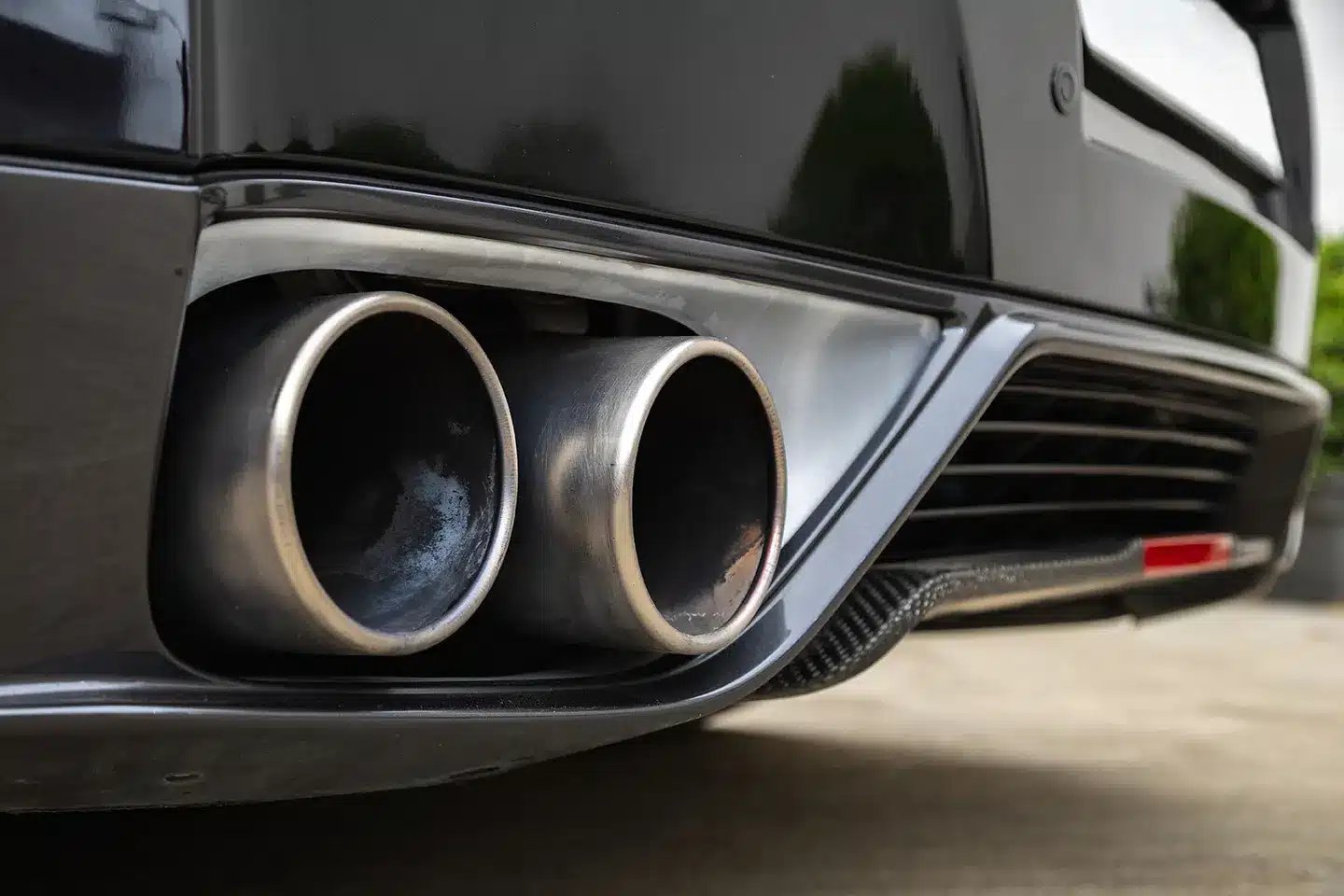
Exhaust Pipes and Tubing

Discuss the affected sections, connections and routing. Tubing selection should suit the proposed installation and available fabrication methods.

Mufflers and Resonators

Explain the current sound and what you want to change. Ask which muffler or resonator options are suitable and available for the vehicle.

Catalytic Converters

Identify concerns involving the catalytic converter and existing emissions equipment. Required emissions controls must remain part of the repair and modification discussion.

Exhaust Hangers, Brackets and Mounting

Mounting components help support the system in its intended position. Report rattling, movement or contact so the relevant areas can be assessed.

Exhaust Tips

Review appearance alongside outlet placement, fitment and clearance. A preferred finish or shape does not establish suitable installation.

Headers and Other Performance Components

Provide exact product details and existing engine modifications. Confirm compatibility, applicable requirements and installation availability before including performance components in the project.

What Exhaust Problems Can Custom Fabrication Solve?

What Exhaust Problems Can Custom Fabrication Solve?

Custom work may help address certain fitment or component-availability problems. Inspection determines whether fabrication is appropriate or whether conventional repair or replacement is preferable.

  • 1

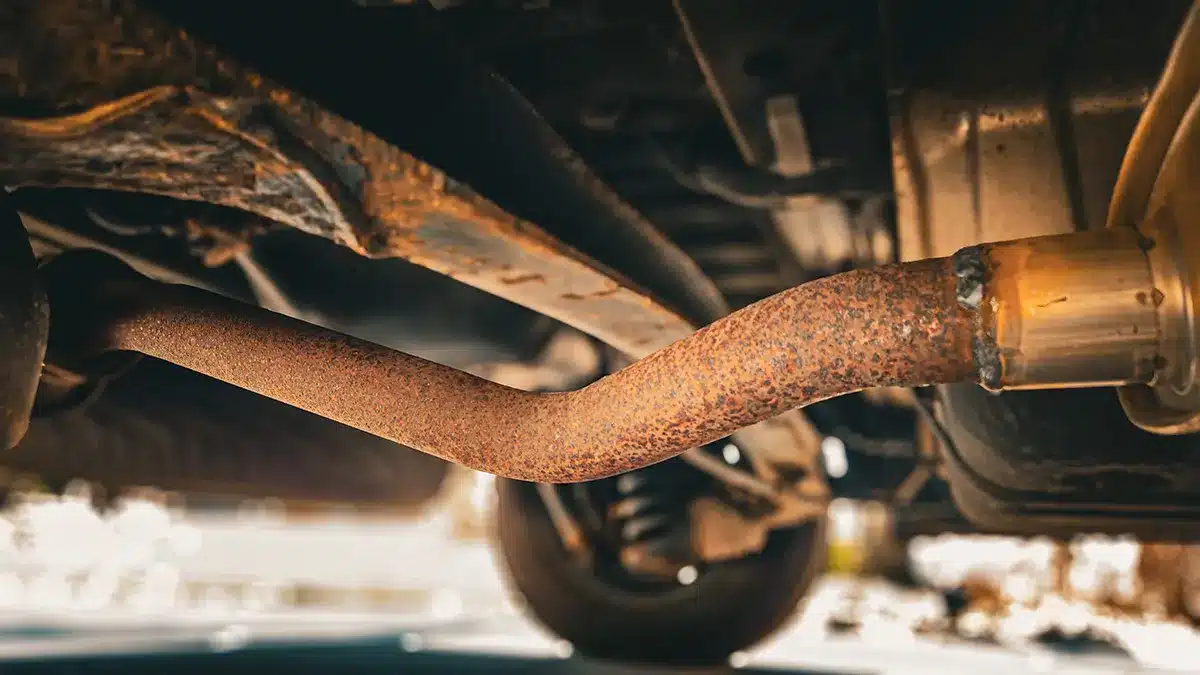
    Rusted or Corroded Exhaust Components: Localized corrosion and deterioration across several sections create different repair needs. Share photographs and have surrounding components assessed before choosing a limited repair.

  • 2

    Broken or Damaged Exhaust Pipes: Describe visible damage, separated connections or impact marks. An assessment establishes which sections need attention and whether suitable replacements are available.

  • 3

    Exhaust Leaks: For an exhaust leak repair inquiry, describe changes in noise, visible damage or exhaust smell. These observations help begin assessment but do not identify the repair scope by themselves.

  • 4

    Rattling, Vibration or Poor Fitment: Explain whether the concern occurs at idle, during acceleration or over uneven roads. Mention previous exhaust work and any contact with nearby components.

  • 5

    Damaged Mufflers and Exhaust Components: Identify the suspected component and describe the symptoms. Damage elsewhere in the system may also need attention before a replacement is recommended.

  • 6

    Exhaust Systems With Hard-to-Find Replacement Parts: Provide vehicle details and any parts information already researched. Ask whether an available replacement or custom solution can address the problem.

  • 7

    Modified Vehicles That Need a Custom-Fit Exhaust: Engine, chassis or suspension changes can affect routing and clearance. Confirm the required work and available services before assuming a custom installation is feasible.

Build Your Exhaust Around the Sound and Performance You Want

Tell the team what matters most to you, then review suitable options for the vehicle. Sound, appearance and performance goals need to be considered alongside fitment and applicable requirements.
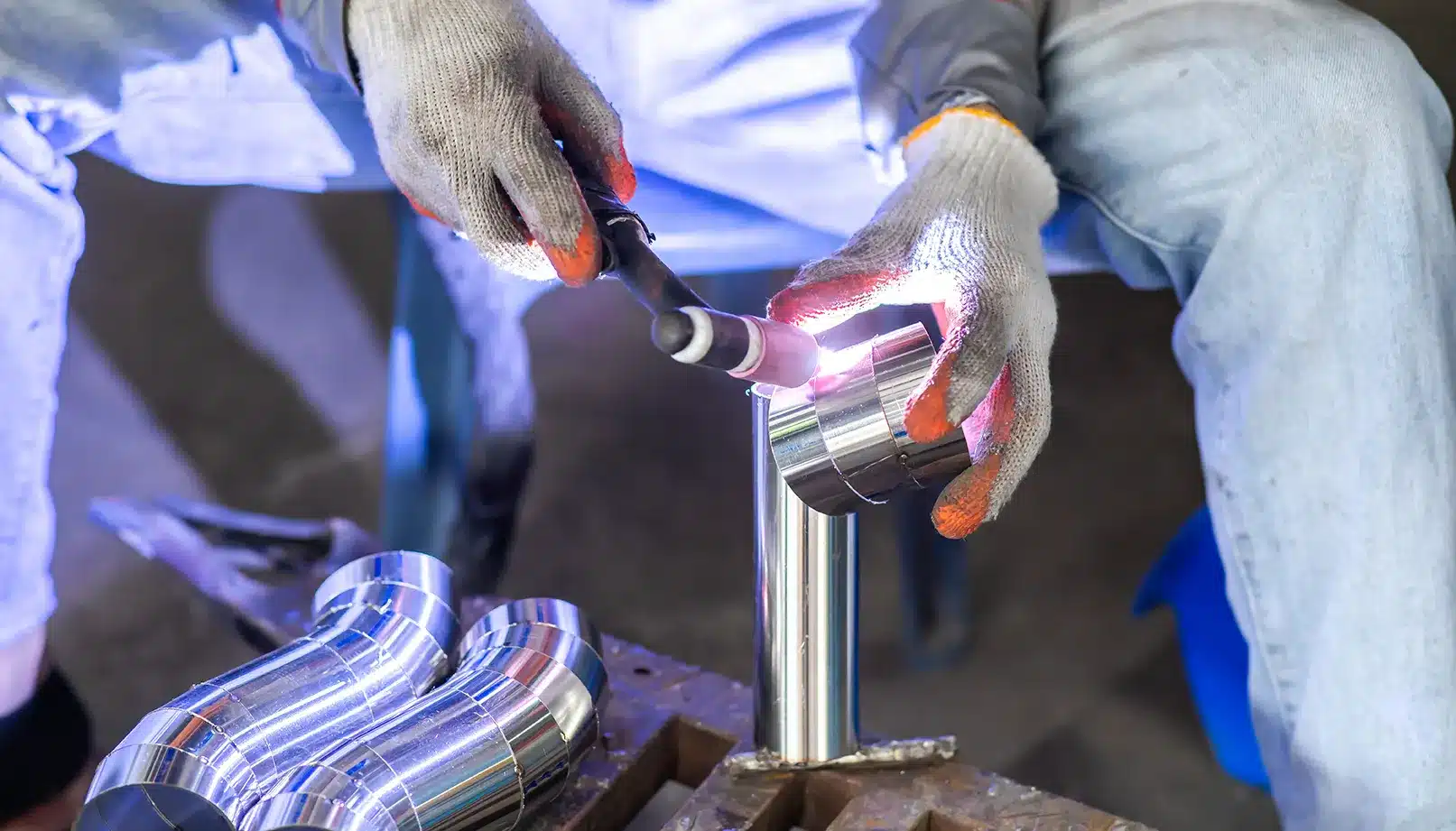
Quiet and Stock-Like Exhaust Sound

If your priority is reducing unwanted noise or retaining a restrained exhaust note, explain that at the first conversation. Describe how you use the vehicle and what concerns you about its current sound.

Deeper or More Aggressive Exhaust Sound

For an exhaust sound upgrade, discuss your preferences without relying solely on product names or online recordings. The proposed configuration must account for applicable noise requirements.

Performance-Oriented Exhaust Design

Provide engine details and existing modifications when performance is a goal. No specific horsepower or fuel-economy improvement should be assumed from a custom exhaust installation.

Custom Exhaust Appearance and Finish

Explain your preferred outlet location and appearance. Confirm available components, finishes and installation work before committing to a particular result.

Balancing Sound, Performance and Everyday Driveability

Consider cabin comfort, highway use and the vehicle’s operating requirements. A suitable recommendation should reflect how you actually drive the vehicle.

Do You Need Exhaust Repair, Replacement or Custom Fabrication?

Do You Need Exhaust Repair, Replacement or Custom Fabrication?

The appropriate approach depends on condition, suitable parts and your goals. Begin with an assessment rather than assuming a complete custom build is required.

  • 1

    When Exhaust Repair May Be the Right Option: A localized problem may be repairable when adjoining components remain serviceable and an appropriate repair method is available.

  • 2

    When an Exhaust Component Should Be Replaced: Extensive deterioration, damaged components or unsuitable previous work may make replacement preferable. Ask for an explanation of the recommendation.

  • 3

    When Custom Fabrication Makes More Sense: Custom fabrication may help when conventional parts do not meet fitment requirements. Confirm feasibility and service availability after assessment.

  • 4

    How Vehicle Condition Affects the Recommendation: Corrosion, damaged connections and previous modifications can change the repair scope. The assessment should consider the complete affected area.

Choosing the Right Material for a Custom Exhaust

Material selection should account for compatibility, available fabrication methods, vehicle use and budget. Confirm the options Capitol Collision can provide before including them in the estimate.

Stainless Steel Exhaust Systems

Ask whether suitable stainless steel components and fabrication services are available. Material grade and installation requirements should be identified for the proposed work.

Standard Steel Exhaust Components

Ask which steel components are available and suitable for the project. Review their specifications rather than treating all steel exhaust parts as interchangeable.

Corrosion and Connecticut Winter Road Salt

Explain existing corrosion and the vehicle’s winter use. Those conditions belong in the discussion of replacement components and future maintenance.

How Material Choice Affects Cost and Longevity

Material specifications, component quality and installation affect the proposed cost and maintenance needs. No option should be assumed completely rust-proof or maintenance-free.

Our Custom Exhaust Fabrication Process

The sequence depends on the agreed project scope. Confirm the operations included in your estimate before authorizing work.

1. Inspect the Existing Exhaust System

Begin with the current condition, visible damage and previous modifications. An in-person assessment may be needed to establish the scope.

2. Understand Your Vehicle and Exhaust Goals

Identify whether the priority is repair, replacement, fitment, sound, appearance or a performance-oriented project.

3. Determine the Right System Design

Discuss routing, component placement and relevant vehicle requirements. Confirm that the proposed configuration is suitable and within the available service scope.

4. Select Components and Materials

Review proposed parts and materials. Identify customer-supplied components and confirm suitability before purchasing.

5. Fabricate, Bend and Weld the Exhaust

Where these operations are required, confirm the available methods and responsible provider. Bending and welding should not be assumed included in every project.

6. Install Hangers, Connections and Components

Review the mounting and connection work included in the scope. Discuss any additional requirements identified during installation.

7. Check Fitment, Clearance and Exhaust Leaks

Ask which fitment, clearance and leak checks are included for your installation. These checks should reflect the work performed.

8. Complete the Final Inspection

Review the completed work and any care or follow-up recommendations. Ask about changes from the original estimate before pickup.

Custom Exhaust and Connecticut Emissions Requirements

Custom Exhaust and Connecticut Emissions Requirements

Exhaust planning must account for the vehicle’s required emissions equipment and applicable noise requirements. A custom installation does not automatically establish compliance.

  • 1

    Catalytic Converters and Emissions Equipment: Connecticut law prohibits removing or disabling required emissions-control equipment. Include the vehicle’s existing emissions components in the repair discussion.

  • 2

    Exhaust Modifications and Vehicle Inspection: Discuss the proposed configuration before making changes. Do not assume that suitable fitment guarantees passing an emissions or other applicable inspection.

  • 3

    Exhaust Noise and Compliance Considerations: Connecticut DMV guidance explains that vehicle noise is measured and can be affected by engine modifications as well as muffler selection. A muffler type alone does not establish compliance.

  • 4

    Why Compliance Should Be Considered Before Modifying an Exhaust: Review requirements before purchasing components or authorizing installation. Addressing these questions early helps establish an appropriate project scope.

Custom Exhaust for Cars, Trucks and Specialty Vehicles

Provide accurate vehicle details and confirm service suitability before scheduling. Different configurations can require different components and installation work.

Custom Exhaust for Daily-Driven Cars

Share engine information, current concerns and comfort expectations. Explain whether you want to address damage or discuss a different configuration.

Custom Exhaust for Trucks and SUVs

Mention towing equipment, suspension modifications and other components affecting clearance. Provide the vehicle’s configuration when requesting assessment.

Custom Exhaust for Older Vehicles

For custom exhaust for older cars, describe the current system and any engine or chassis changes. Include information about replacement parts you have already researched.

Custom Exhaust for Modified Vehicles

Provide a modification list and photographs. Confirm whether the available services can accommodate the existing configuration.

Custom Exhaust for Classic or Specialty Vehicles

If exhaust work forms part of antique vehicle restoration, discuss its requirements within the larger project plan. Confirm specialty-vehicle suitability and exhaust scope separately.

How Much Does a Custom Exhaust System Cost?

How Much Does a Custom Exhaust System Cost?

A custom exhaust estimate depends on the vehicle, existing condition, components and amount of work required. Assessment provides a more useful starting point than a general price range.

  • 1

    Type of Exhaust System: A limited component replacement and a more extensive custom installation represent different scopes.

  • 2

    Materials and Component Selection: The selected components, material specifications and availability influence cost.

  • 3

    Amount of Custom Fabrication Required: Additional measurement, adaptation and fabrication can affect the estimate. Ask which operations are included.

  • 4

    Welding, Bending and Installation Requirements: Where required and available, these operations contribute to the project scope. Confirm the proposed methods and charges before authorization.

  • 5

    Existing Exhaust Condition: Corrosion, damaged connections and previous modifications may create additional work.

  • 6

    Why an Inspection Is Needed for an Accurate Estimate: Photographs can start the discussion but may not reveal every affected area. Ask which conditions remain unresolved and how additional findings will be handled.

How Long Does Custom Exhaust Fabrication Take?

Timing depends on the confirmed work, component availability and scheduling. Request a projected completion date after the scope is established.

Simple Exhaust Modifications

Limited work may involve fewer operations, but suitability and scheduling still need confirmation.

Custom Pipe Fabrication

The required adaptations and available fabrication methods influence timing.

Complete Custom Exhaust Builds

More extensive installations require confirmation of service availability, components and project stages.

Factors That Can Affect Turnaround Time

Parts sourcing, existing corrosion, additional findings and changes to the agreed scope can affect completion.

Custom Exhaust Systems in Willimantic, CT

Contact Capitol Collision to discuss the vehicle, current exhaust condition and work you want assessed.

Custom Exhaust Services for Willimantic Drivers

Our Willimantic location provides a local starting point for custom exhaust inquiries and project planning.

Exhaust Repair and Fabrication for Eastern Connecticut Drivers

Drivers in Eastern Connecticut can contact the team to discuss exhaust concerns and confirm available repair or fabrication work.

Local Exhaust Solutions for Daily Drivers and Specialty Vehicles

Provide vehicle details and intended use. Specialty configurations require confirmation before delivery.

Schedule a Custom Exhaust Assessment

Confirm appointment availability and assessment arrangements before bringing in the vehicle.

Why Choose Capitol Collision for Custom Exhaust Work?

Vehicle-Specific Exhaust Solutions

Start with your vehicle’s configuration and actual exhaust concerns so the proposed work reflects the project.

Repair, Replacement and Custom Fabrication Options

Discuss available alternatives rather than assuming a custom build is necessary.

Attention to Fitment and Finish

Review routing, clearance, mounting and appearance requirements within the agreed scope.

Clear Recommendations Before Work Begins

Ask what is included, what remains uncertain and how changes will be approved.

Local Service in Willimantic, CT

Contact our team to discuss assessment availability and vehicle delivery arrangements.

Verified Fabrication and Exhaust Capabilities

Capitol Collision lists custom exhausts and fabrication services. Confirm the specific components, materials and operations available for your project.

Custom Exhaust System FAQs

It is an exhaust configuration planned or adapted around a vehicle’s requirements rather than relying solely on a standard replacement assembly.

A standard replacement suits a defined configuration. Custom work addresses project-specific component or fitment requirements.

Contact Capitol Collision with vehicle details and the proposed work. Confirm the available scope before booking.

It may be an option. Existing condition, suitable replacements and installation requirements need assessment first.

Component changes can alter sound. The proposed configuration must also account for applicable noise requirements.

You can explain your preferences. The result depends on the vehicle, suitable components and compliant options available.

Not automatically. Results depend on the vehicle and configuration; no specific power or fuel-economy gain should be assumed.

Legality depends on the configuration and applicable emissions and noise requirements. Custom systems are not automatically compliant.

Confirm material availability and the required fabrication work with Capitol Collision before including stainless steel in the project.

Provide modification details and photographs. Confirm suitability and available services before scheduling.

Cost depends on components, materials, existing condition and required operations. Request an assessment-based estimate.

Timing varies with scope, parts availability and scheduling. Request a projected completion date after assessment.

Begin with an assessment. The recommendation depends on condition, fitment, suitable parts and your goals.

Request a Custom Exhaust Estimate

  • Tell Us About Your Vehicle: Provide the year, make, model, engine and relevant modifications.

  • Explain Your Exhaust Problem or Modification Goal: Describe damage, noise, fitment concerns or the change you want to discuss.

  • Schedule an Exhaust Inspection: Confirm service availability and assessment arrangements before bringing in the vehicle.

  • Get a Custom Exhaust Recommendation: Review the proposed approach, components, installation scope and estimate before authorizing work.

Submit Your Custom Exhaust Inquiry or Call 860-423-4516

Address: 109 Capitol Drive, Willimantic, CT 06226
Hours: Mon-Fri 8:00am – 5:00pm

Request a free quote