Automotive Fabrication Engineering · Willimantic, CT

Fabrication Engineering Services in Willimantic, CT

An unavailable part or a component that does not fit can complicate a vehicle repair. Capitol Collision offers fabrication engineering services in Willimantic, CT, providing a place to discuss whether custom fabrication is appropriate for your automotive project.

Start with an assessment of the vehicle, component, and intended function. The recommendation should account for the surrounding damage, material requirements, fitment, and applicable repair procedures.

Tell us what you need repaired or made, and provide your vehicle’s year, make, and model.

Custom Fabrication Engineering for Automotive Repair

Custom Metal Fabrication

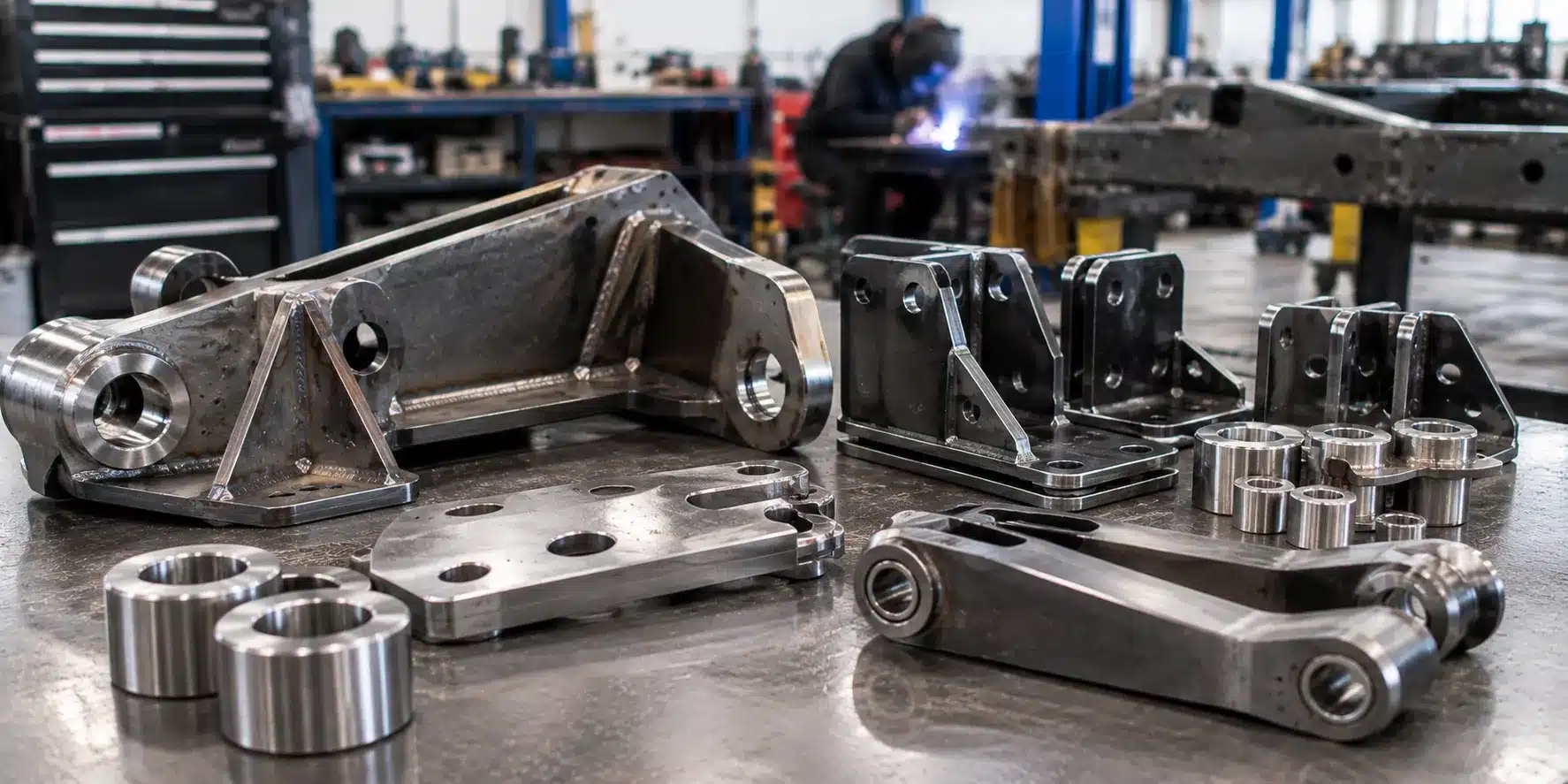
Custom metal fabrication involves making or adapting a component for a particular application. Contact Capitol Collision to discuss the part’s purpose and whether the proposed work is suitable for your vehicle.

Fabricated Components for Vehicle Repair

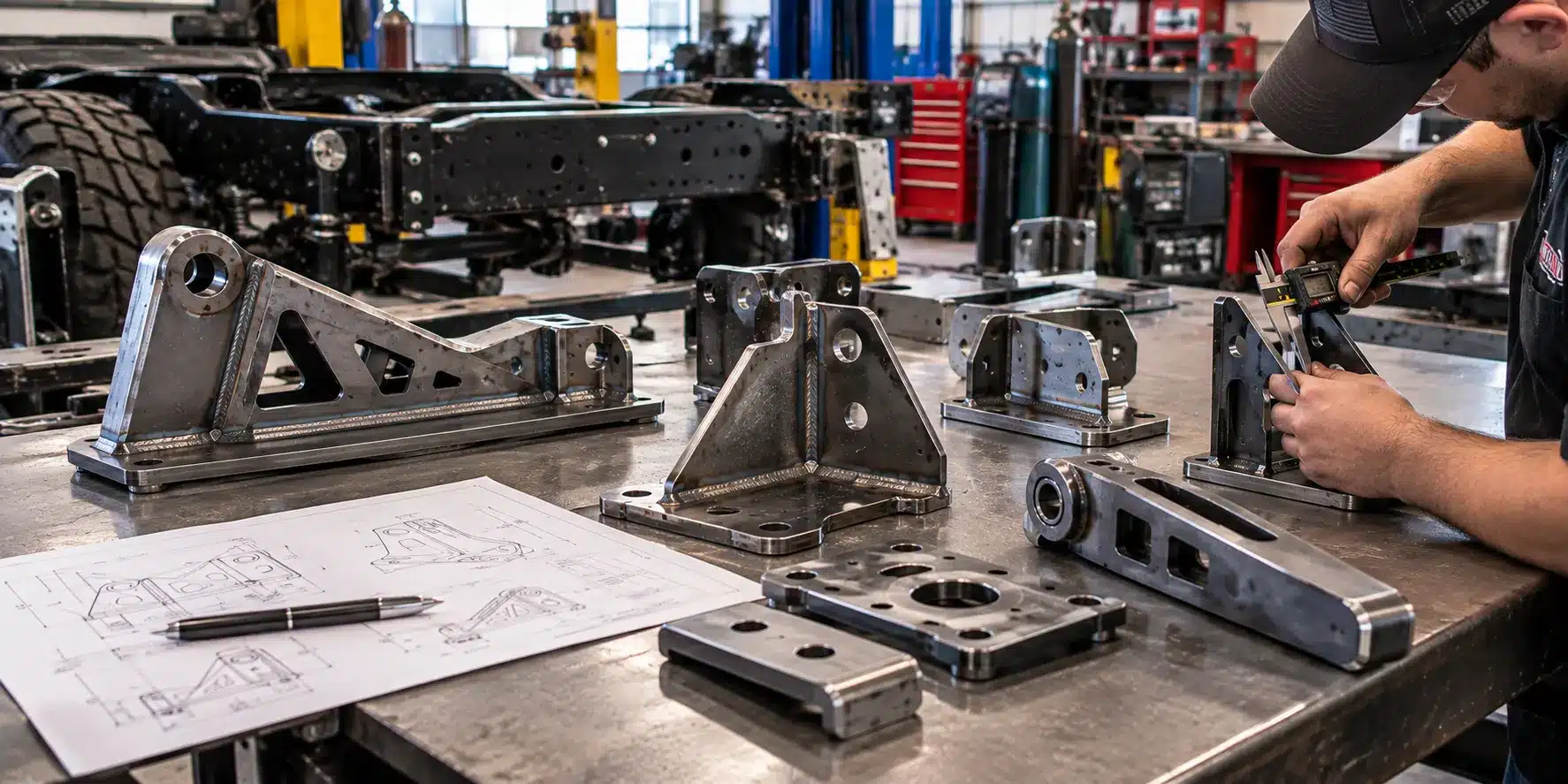
A fabricated component needs to work with the surrounding assembly. Its mounting points, dimensions, clearances, and intended function should guide the repair discussion.

Custom Solutions for Hard-to-Replace Parts

When a replacement is difficult to locate, fabrication may be an option worth assessing. Availability alone does not determine whether reproducing a part is appropriate.

Fabrication for Collision, Restoration, and Repair Projects

Explain whether your project involves accident damage, restoration, or an existing custom component. Each situation presents different requirements for repair planning and fitment.

Automotive Fabrication Services

The following applications should be discussed individually. Project acceptance depends on the component, vehicle, material, and required work.
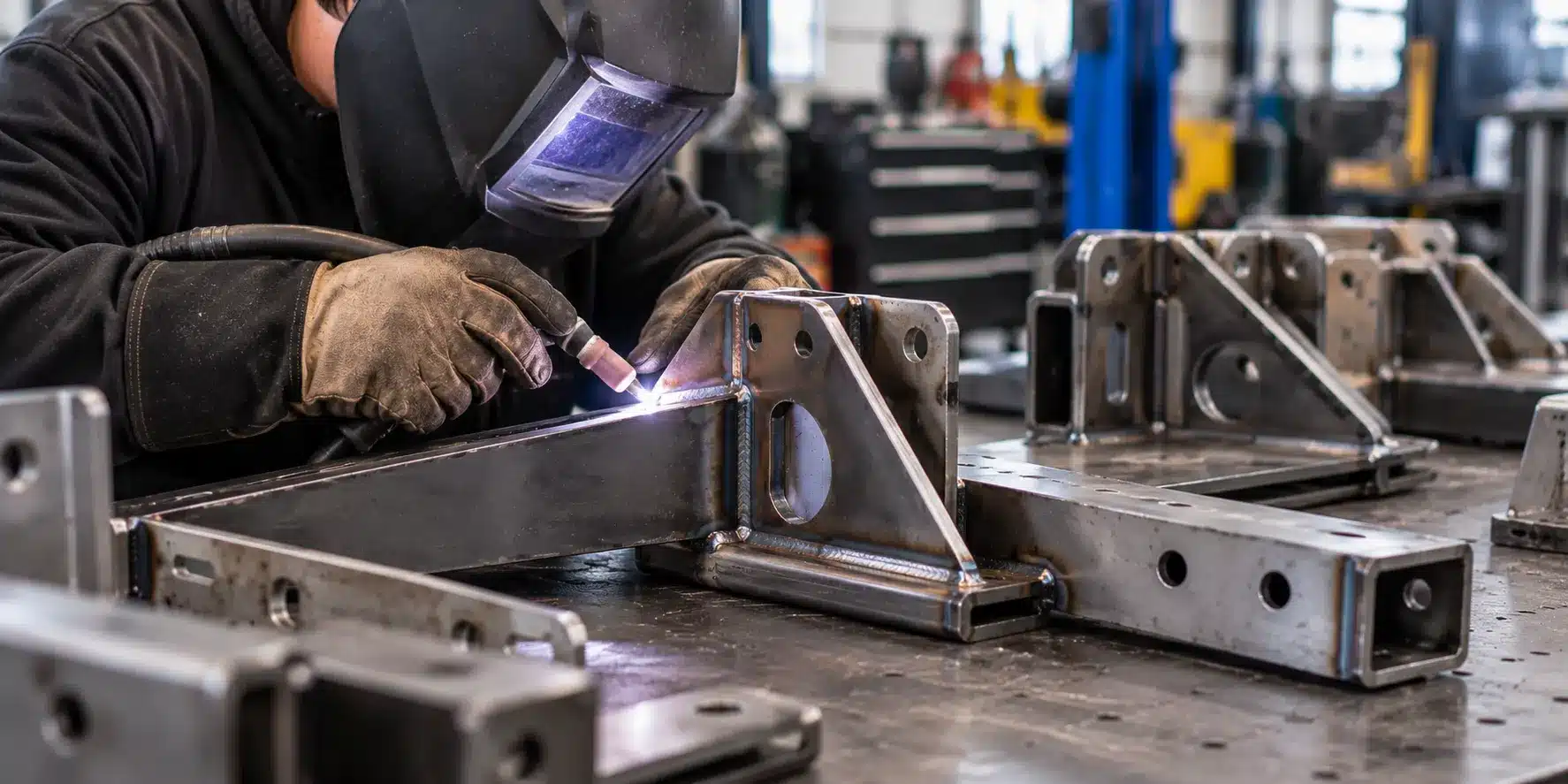
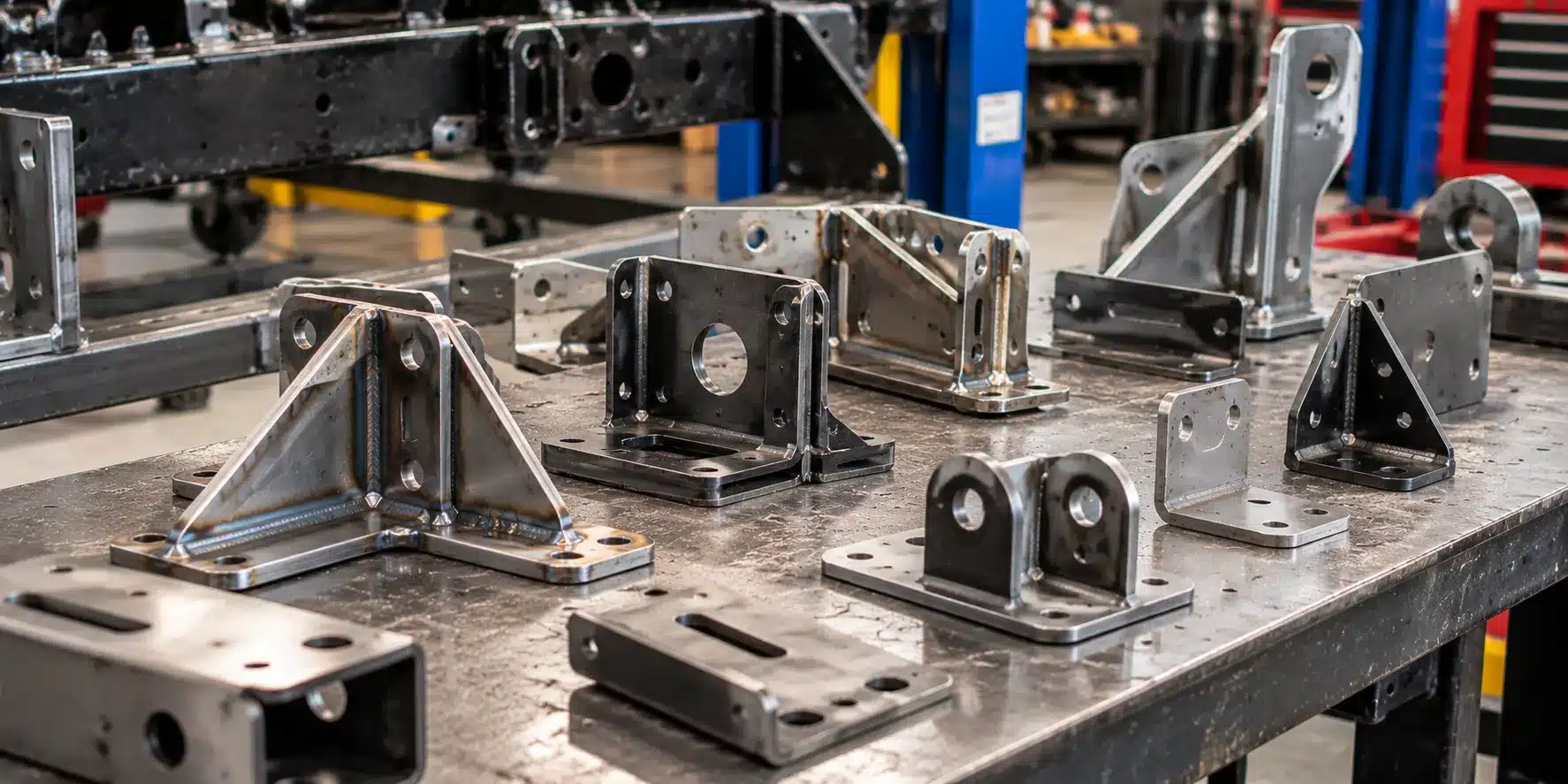
Custom Metal Components

Custom Metal Components

Provide a description of the component and what it must do. An existing part, photographs, or measurements can help explain the request.
Brackets, Supports, and Mounting Components

Brackets, Supports, and Mounting Components

Ask about custom brackets, supports, and mounting components for your project. Their suitability depends on what they support, how they attach, and the loads involved.
Replacement and Reproduction Components

Replacement and Reproduction Components

A reproduction request should include any available original part or reference information. Matching an outline alone may not establish that a replacement can perform the same function.
Modified or Custom-Fit Components

Modified or Custom-Fit Components

A custom-fit component may be considered where a standard part cannot accommodate the intended configuration. Describe previous modifications and the available installation space.
Repair of Damaged or Fabricated Parts

Repair of Damaged or Fabricated Parts

An existing fabricated part may need repair, replacement, or a different approach. Its material, damage, previous work, and intended use affect that decision.
Fabrication Engineering ✱ Custom Metal Components ✱ Collision & Restoration ✱ Fabrication Engineering ✱ Custom Metal Components ✱ Collision & Restoration ✱Fabrication Engineering ✱ Custom Metal Components ✱ Collision & Restoration ✱ Fabrication Engineering ✱ Custom Metal Components ✱ Collision & Restoration ✱
Fabrication Solutions for Difficult Repair Projects

Fabrication Solutions for Difficult Repair Projects

  • 1

    When Replacement Parts Are Unavailable: Before commissioning custom-fabricated parts, establish whether a suitable replacement exists. Fabrication should be considered alongside availability, suitability, cost, and the vehicle’s repair requirements.

  • 2

    When Standard Parts Do Not Fit: A fitment problem may result from an incorrect part, previous modifications, or unrepaired damage. Identify the cause before adapting a component around it.

  • 3

    Repairing Damaged or Corroded Components: Corrosion can affect more than the visible surface. An assessment should establish whether sound material remains and whether repair is appropriate for the component.

  • 4

    Custom Fabrication for Unique Vehicle Requirements: Bring details of the vehicle’s configuration and intended use. A daily driver, restoration project, and modified vehicle may require different recommendations.

Our Fabrication Engineering Process

Inspect the Vehicle or Component

Begin with the component’s condition, location, and purpose. Surrounding damage or previous modifications may affect the project.

Identify the Fabrication Requirement

Define whether the request involves repair, reproduction, modification, or a new component. Establish the intended outcome before developing the work scope.

Determine Materials and Dimensions

Material suitability, thickness, dimensions, and mounting locations need consideration. Confirm which materials Capitol Collision can handle for your application.

Design or Develop the Required Component

The proposed component should address its intended function and fitment requirements. Discuss what reference information is available and what further assessment is needed.

Cut, Form, and Fabricate the Material

The fabrication method depends on the material and component. Confirm the cutting, forming, and other metalworking included in the estimate.

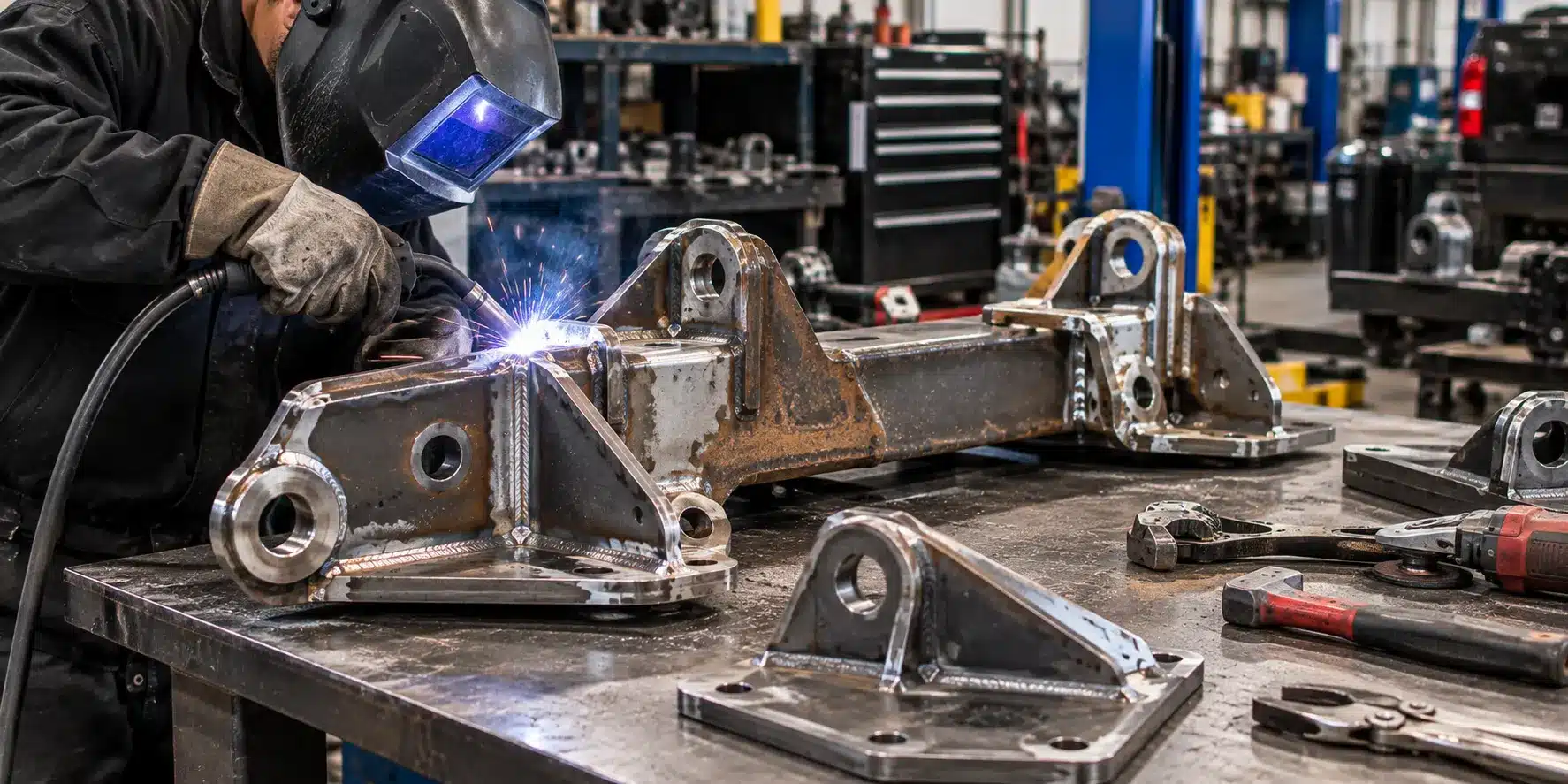
Weld and Assemble the Component

Joining methods must suit the application. Welding should be included only where appropriate for the material, component, and applicable repair requirements.

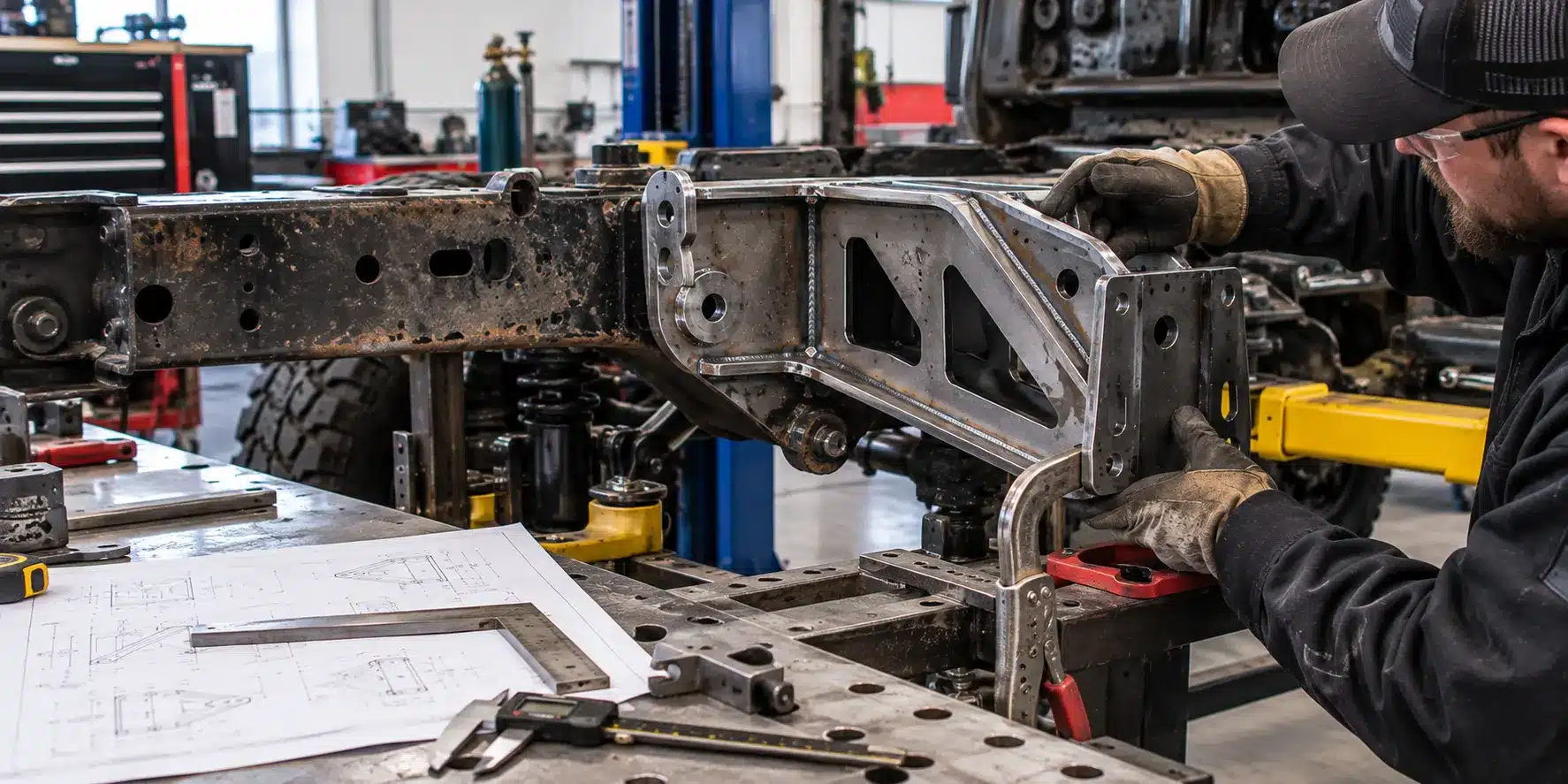
Test Fit and Check Alignment

Check the component against its intended mounting locations and surrounding parts. Identify clearance or positioning concerns before final installation.

Complete Final Inspection

Review the completed work against the agreed scope. Confirm any finishing, installation, or further repair requirements before the project is returned.

Fabrication for Collision Repair and Restoration
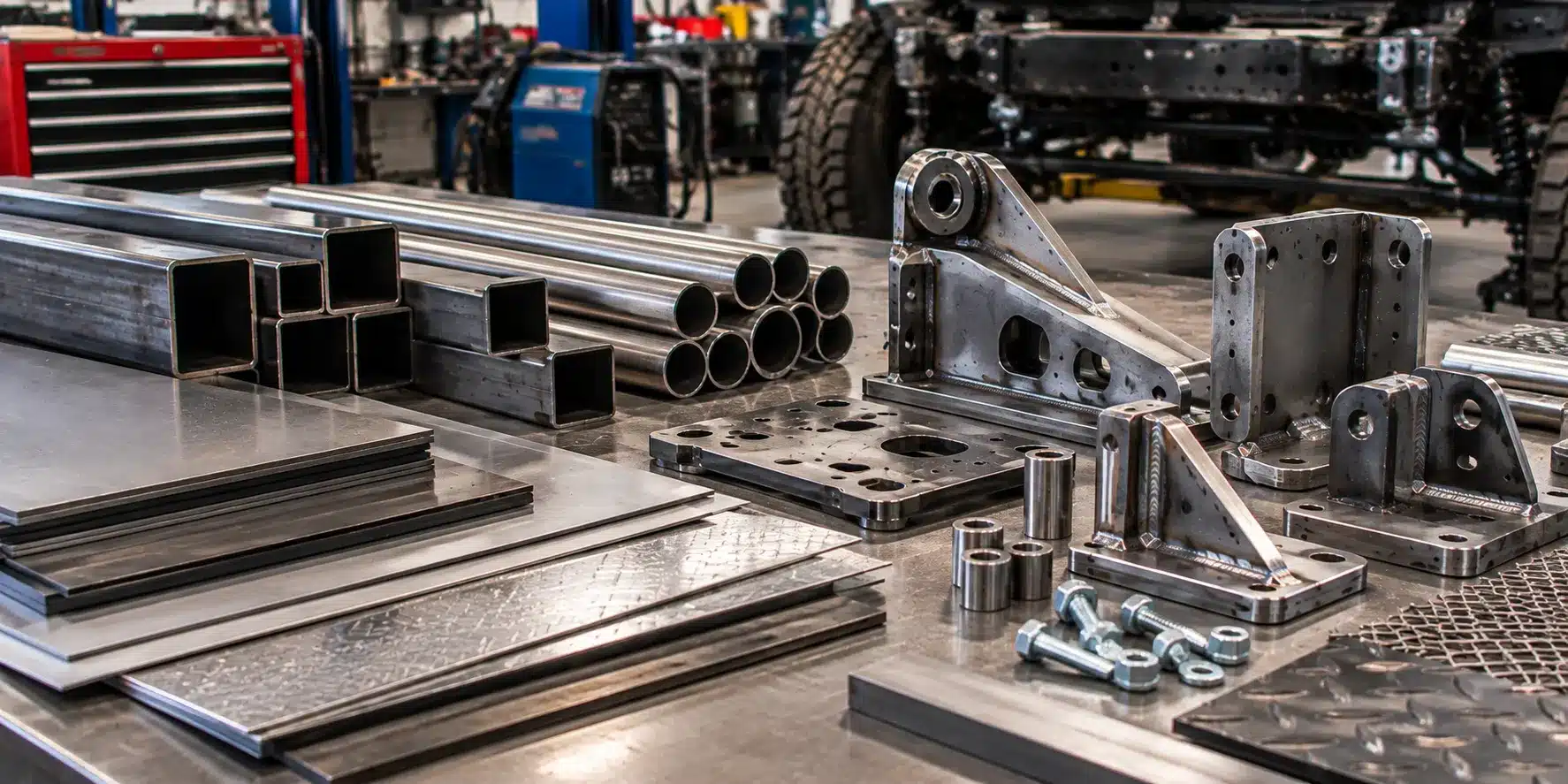
Custom Fabrication After Collision Damage

A collision repair assessment should determine which components require approved repair or replacement. Discuss fabrication in the context of the complete repair rather than assuming it can replace any damaged part.

For related damage, explore Capitol Collision’s auto body repair service.

Fabrication for Older and Hard-to-Source Vehicles

Older vehicles may present missing parts, previous alterations, or limited replacement availability. Provide the original component or the best available reference information when discussing the project.

Fabrication for Restoration Projects

Restoration goals affect how a component should look, fit, and function. Explain whether you want to preserve the existing configuration or pursue a specific modification.

See antique vehicle restoration for related project discussions.

Custom Metalwork for Specialized Repairs

Specialized repair requests need an individual assessment. Confirm that the proposed work falls within Capitol Collision’s capabilities before arranging delivery of a vehicle or loose component.

Materials Used for Automotive Fabrication

Materials Used for Automotive Fabrication

  • 1

    Steel Fabrication: If your project involves steel, provide any known information about the original component. Confirm material suitability and available fabrication methods before authorizing work.

  • 2

    Selecting the Right Material for the Application: Material selection should consider function, thickness, joining requirements, corrosion exposure, and compatibility with surrounding components. Appearance alone is not a sufficient basis for choosing a replacement material.

Welding and Metalworking for Custom Fabrication
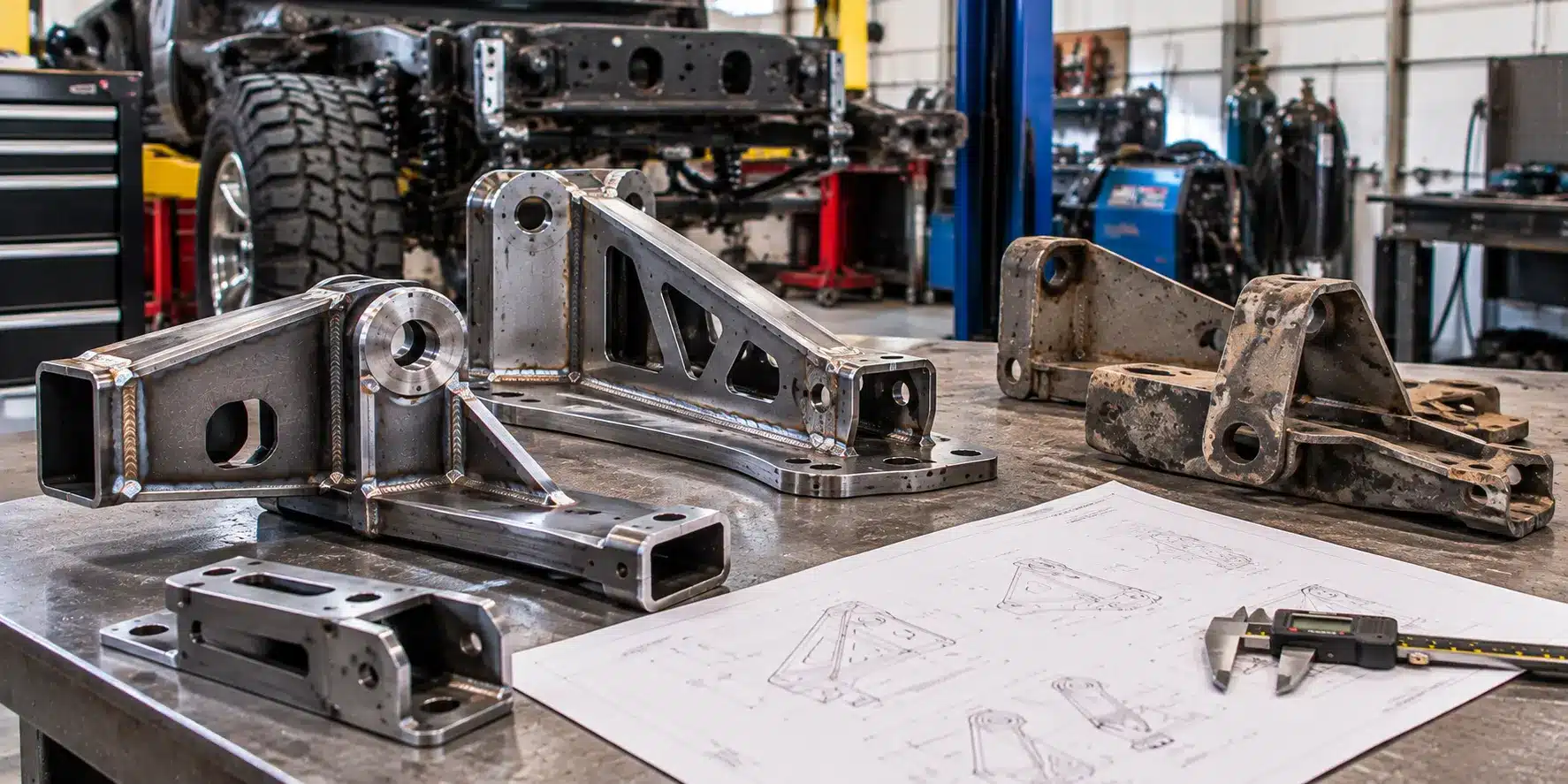
Welding Fabricated Components

Ask whether your component requires welding and whether that work is available for its particular material and application.

Joining and Reinforcing Metal Components

Adding reinforcement is not automatically an appropriate repair. Changes to a component’s construction need assessment rather than an assumption that more metal will improve it.

Forming, Cutting, and Shaping Metal

Dimensions and shape affect installation, clearances, and function. Confirm which metalworking operations are needed for the agreed component.

Finishing and Preparing Fabricated Components

Discuss finishing before work begins. Where appropriate, Capitol Collision’s auto painting and refinishing service can be discussed as part of the wider project.

Why Choose Custom Fabrication Instead of Replacement Parts?

Why Choose Custom Fabrication Instead of Replacement Parts?

  • 1

    Hard-to-Find or Discontinued Parts: Fabrication may be worth evaluating when a suitable replacement cannot be sourced. Compare the proposed work with available alternatives before deciding.

  • 2

    Custom Fitment Requirements: A modified configuration may require a component with different dimensions or mounting locations. The assessment should establish why the standard part does not fit.

  • 3

    Damaged Components That Cannot Be Easily Replaced: Difficulty obtaining a part can make repair or reproduction worth discussing. It does not remove the need to assess the component’s function and repair limitations.

  • 4

    Restoration and Specialty Vehicle Requirements: Originality, appearance, and intended use may influence a restoration decision. Explain these priorities when requesting an assessment.

How Much Does Fabrication Engineering Cost?

Custom fabrication cost depends on the component, complexity, material, preparation, and installation requirements. An assessment provides the basis for a useful estimate.

Complexity of the Fabrication

A straightforward component and a project involving several mounting points or assemblies require different amounts of work.

Materials Required

Material type, thickness, quantity, and availability affect project cost. Confirm the proposed material in the estimate.

Design and Measurement Requirements

Missing reference information or difficult access can increase assessment and measurement work.

Welding and Finishing Requirements

Joining, surface preparation, and finishing should be identified separately where they affect the scope.

Installation and Fitment

Discuss whether the estimate includes fabrication only, test fitting, or completed installation.

Why an Inspection Is Needed for an Accurate Estimate

Photos help introduce a project, but they may not show clearances, hidden damage, or material condition. Inspection helps clarify what the work involves.

Fabrication Engineering Services in Willimantic, CT

Custom Automotive Fabrication for Willimantic Drivers

Contact Capitol Collision to discuss your automotive fabrication requirement before purchasing materials or arranging component delivery.

Fabrication Support for Collision and Restoration Projects

Explain how the requested component relates to the overall repair. Fabrication, bodywork, and finishing should be considered together where appropriate.

Serving Vehicle Owners Throughout Eastern Connecticut

Owners in Eastern Connecticut can start by calling with vehicle details and a description of the project. Confirm suitability and appointment arrangements before visiting.

Schedule a Fabrication Assessment

Call 860-423-4516 to discuss the component, available reference information, and the next step.

Why Choose Capitol Collision for Fabrication Engineering?

Custom Solutions for Complex Automotive Repairs

Capitol Collision lists fabrication alongside its automotive repair services. Start with a discussion of the specific problem and whether fabrication can address it.

Fabrication Integrated With Collision and Restoration Work

For a larger repair project, ask how fabrication will relate to body repairs, restoration, finishing, and installation.

Attention to Fitment and Function

Make the intended function clear when requesting work. Dimensions, attachment points, and clearance requirements should be part of the project discussion.

Practical Solutions When Standard Replacement Parts Are Not Enough

Compare fabrication with repair and replacement options. The recommendation should reflect the vehicle and component rather than parts availability alone.

Local Fabrication Services in Willimantic, CT

Capitol Collision provides a local contact for assessing your project and discussing its scope before work is authorized.

Fabrication Engineering FAQs

Automotive fabrication involves developing, making, adapting, or repairing components for a vehicle application. The work depends on the component’s function, material, dimensions, and repair requirements.

Contact Capitol Collision with the original part or reference information. The shop must assess whether reproducing that particular component is appropriate and within its capabilities.

Capitol Collision lists Fabrication Engineering as a service. Confirm the component type, material, dimensions, and intended use before arranging the project.

Fabrication suitability depends on the damaged component and applicable repair requirements. Custom fabrication should not be assumed to replace a required manufacturer-specified component.

Discuss the missing or damaged component and your restoration goals with Capitol Collision. An assessment is needed to confirm the work available for that project.

Possibly, depending on the material, damage, previous work, and component function. Inspection helps determine whether repair, replacement, or another approach is appropriate.

Different applications may involve different metals. Ask Capitol Collision which materials it handles for your project; do not assume every material can be fabricated or welded using the same methods.

Cost depends on complexity, materials, measurements, joining, finishing, and installation. Request an assessment to establish the scope before estimating.

Timing depends on assessment, material availability, fabrication complexity, test fitting, and finishing. Confirm the expected schedule once the project scope is established.

Request a Fabrication Engineering Estimate

  • Tell Us About Your Vehicle or Component: Provide the vehicle’s year, make, and model. Explain where the component belongs and whether it is installed, removed, damaged, or missing.

  • Describe the Fabrication Requirement: Tell us what the part needs to do and why the existing component or standard replacement is unsuitable. Include available photos, measurements, or reference information.

  • Schedule an Assessment: Call 860-423-4516 or request a fabrication assessment. Confirm whether the vehicle, original component, or both should be brought in.

  • Get a Custom Fabrication Recommendation: Discuss the proposed material, work scope, fitment, finishing, installation, cost, and timing before authorizing the project.

Address: 109 Capitol Drive, Willimantic, CT 06226
Hours: Mon-Fri 8:00am – 5:00pm

Request a free quote