
Commercial Auto Body Repair in Willimantic, CT
A damaged company vehicle can disrupt deliveries, service calls and employee transportation. Getting repairs underway starts with understanding the damage, confirming vehicle suitability and establishing who will approve the work.
Capitol Collision offers commercial auto body repair in Willimantic, CT. Contact our team about your business vehicle, its configuration and the repairs you want assessed.
Whether you operate one work vehicle or manage a fleet, explain your availability needs alongside the damage. Begin with an assessment, a clear estimate and realistic scheduling expectations.
Commercial Auto Body Repair for Business and Fleet Vehicles
What Commercial Auto Body Repair Includes
- 1
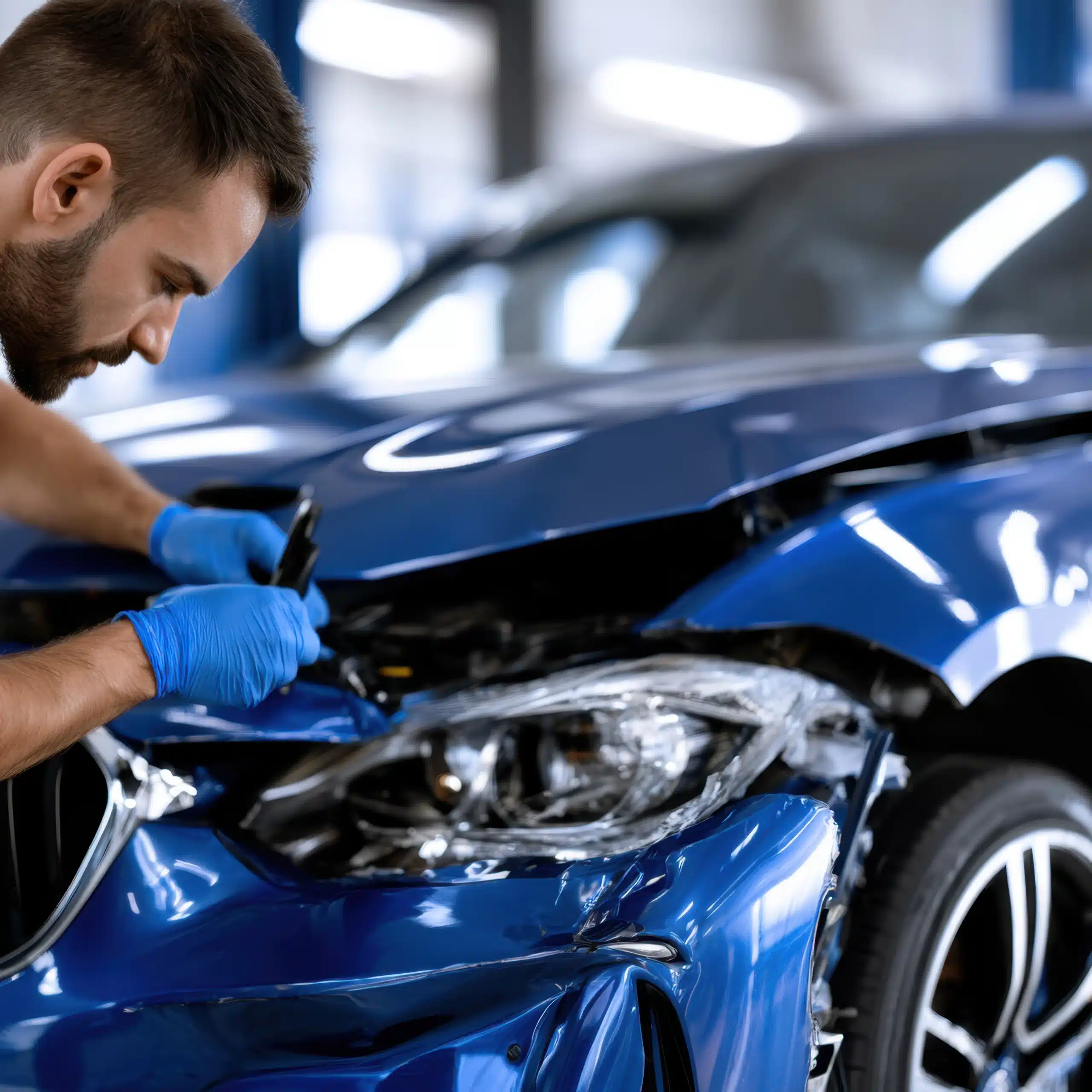
Commercial Vehicle Body Damage Repair: Capitol Collision’s published body services address damage such as dents, scratches and affected exterior components. The assessment establishes which work is appropriate for your commercial vehicle. Explore our auto body repair services and contact the team to confirm the available scope for your business vehicle.
- 2
Bumper, Door and Fender Repair: Describe cracked bumpers, damaged doors, dented fenders and changes in panel fit. Attachments and adjoining components may also require inspection.
- 3
Panel Repair and Replacement: The repair recommendation depends on panel material, damage and applicable procedures. Review which panels can be repaired and why replacement may be proposed for others.
- 4
Collision Damage Assessment: Photographs help begin the inquiry, but inspection may be needed to establish the scope. Explain the impact location and any changes in vehicle operation.
- 5
Paint and Refinishing: Commercial vehicle paint repair may accompany panel repairs or address finish damage. Review the proposed paint and refinishing areas and confirm separate arrangements for lettering, decals or wraps.
- 6
Frame and Structural Repair: Capitol Collision lists frame and unibody work. Confirm suitability for your vehicle’s chassis, size and damage; general structural capability does not establish acceptance of every commercial configuration.
- 7
Wheel or Alignment-Related Damage: Report steering changes, unusual wheel position or new noises after the collision. Suspension, wheel and alignment-related requirements need assessment and confirmation of the available scope.
What Types of Commercial Vehicles Can We Repair?
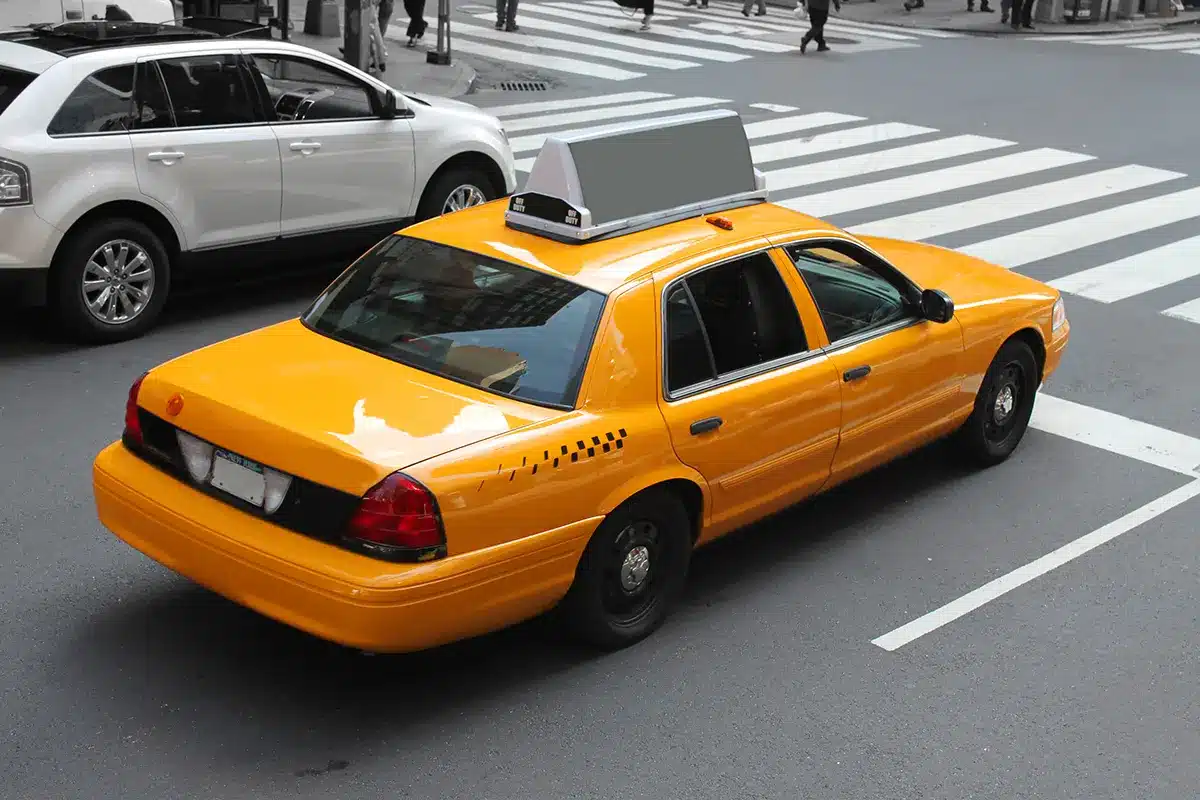
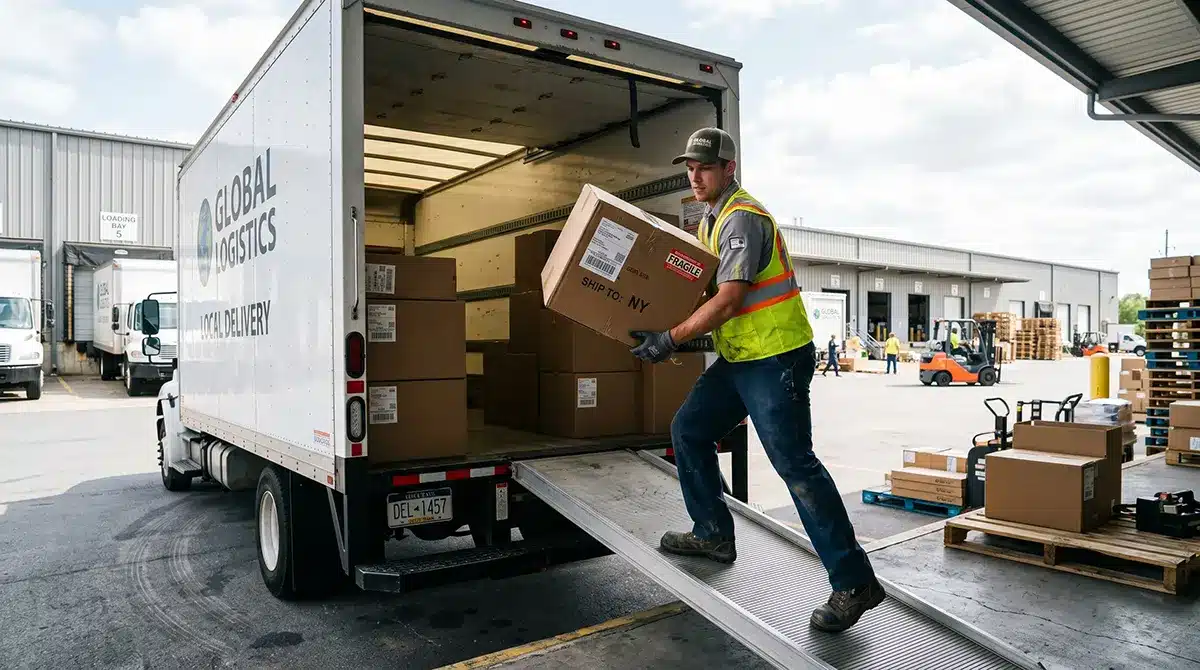
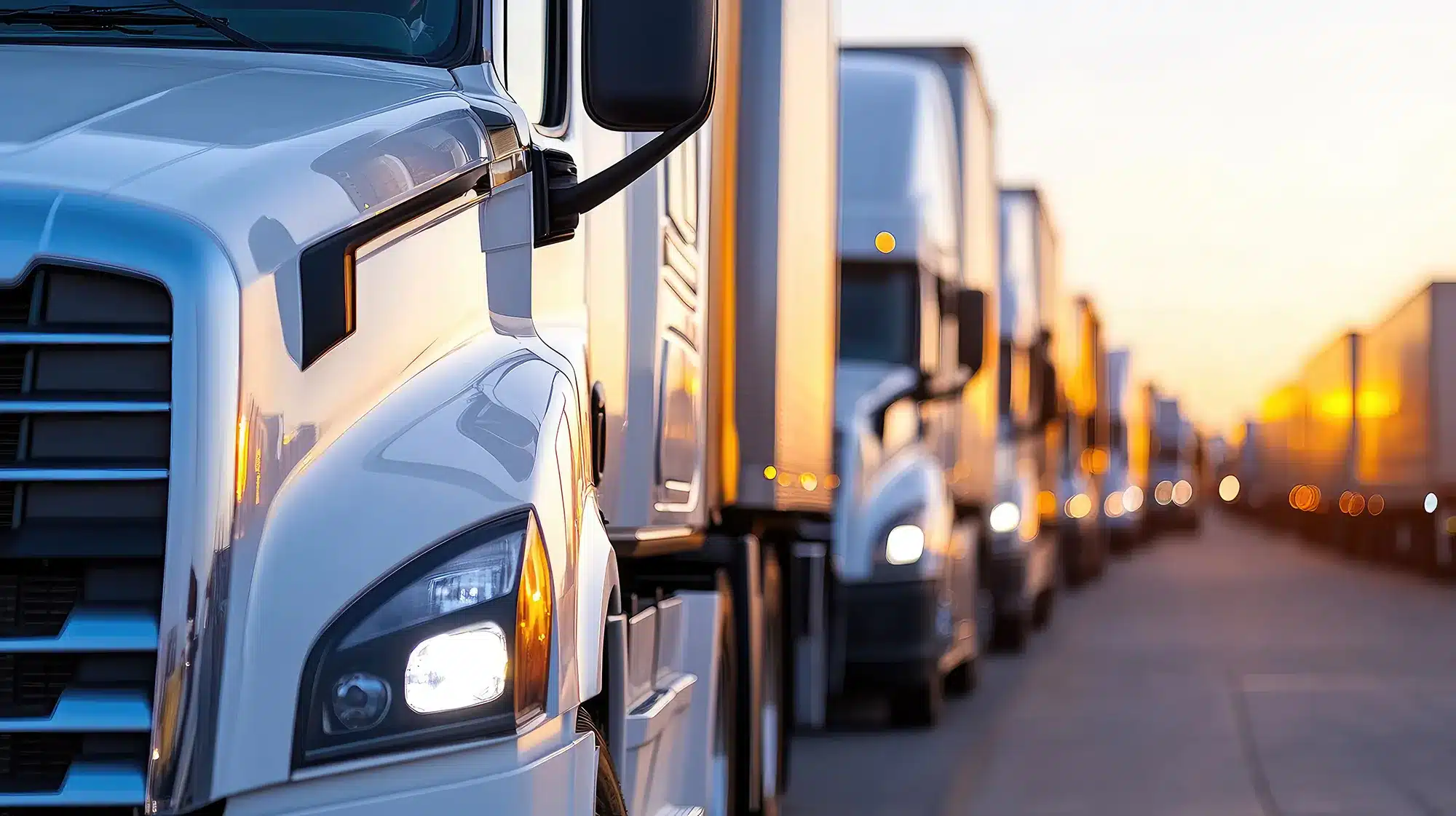
Vehicle acceptance depends on dimensions, construction, configuration and required work. Contact Capitol Collision before arranging delivery.
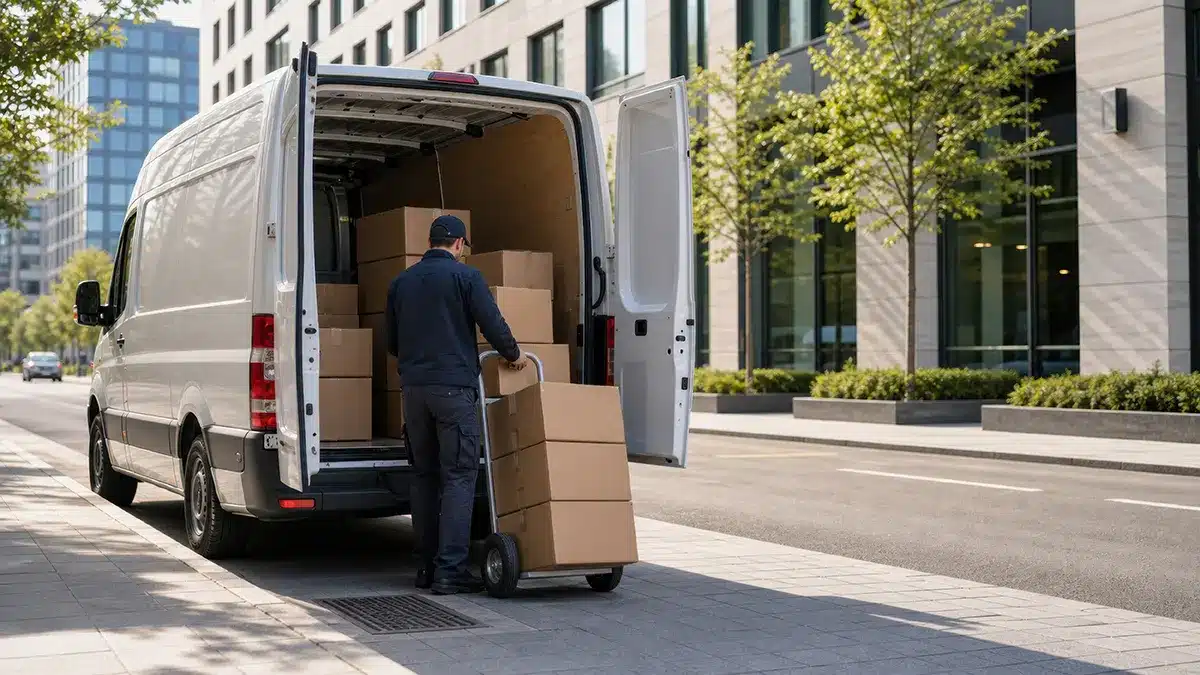
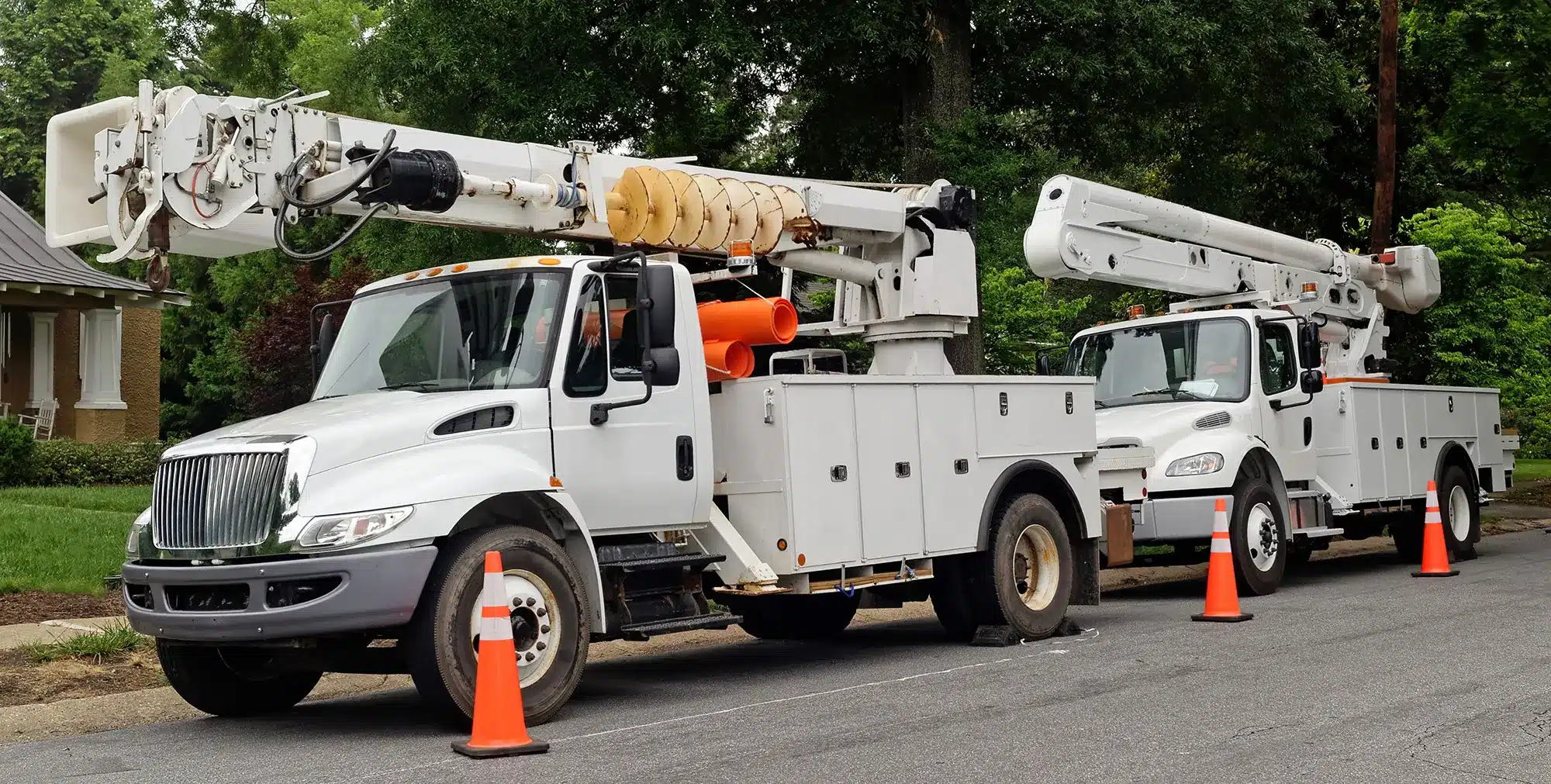
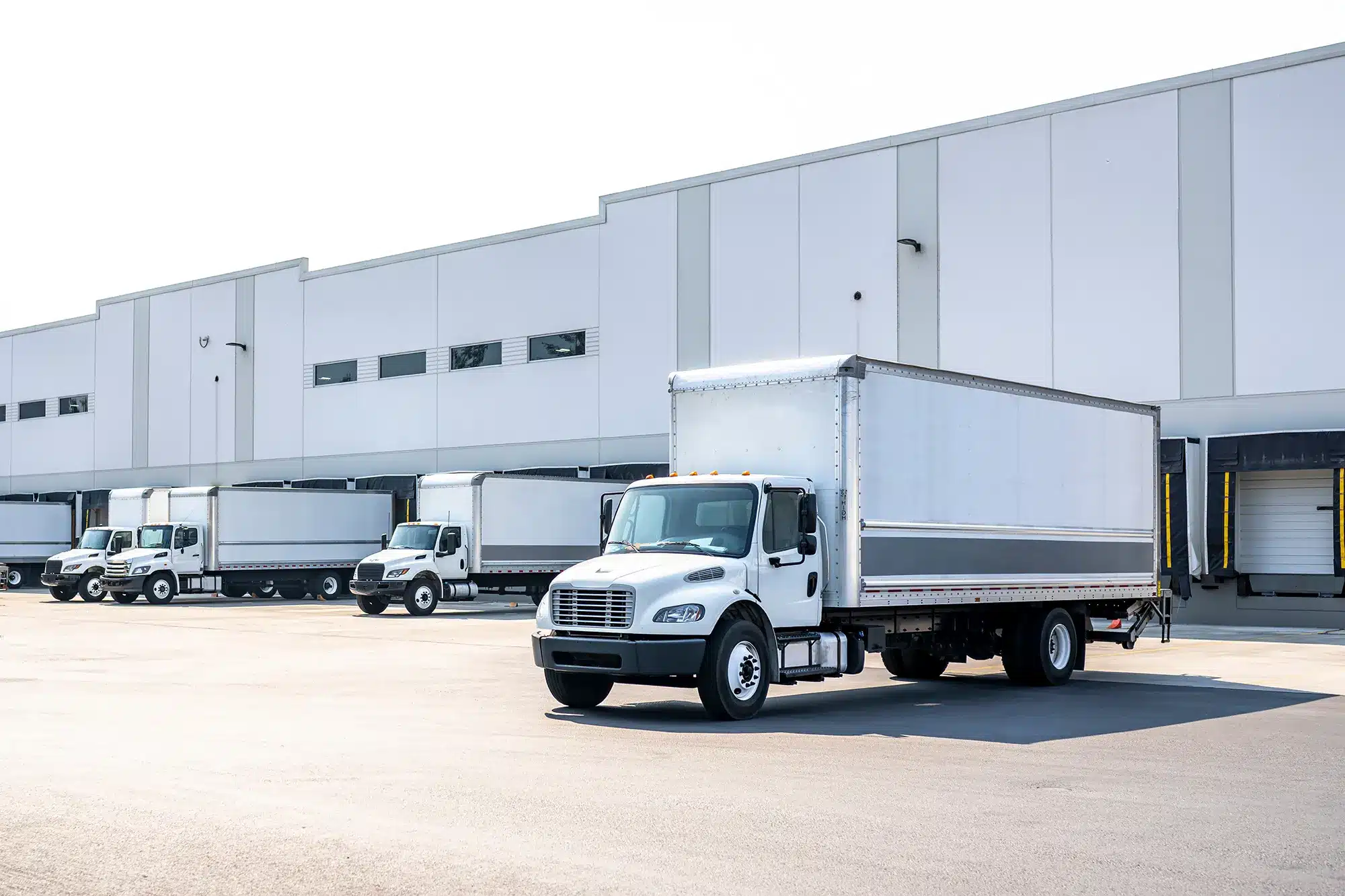
What Commercial Vehicle Damage Can We Repair?
Repair options depend on the vehicle and inspection findings. Discuss both visible damage and changes in operation when requesting an assessment.
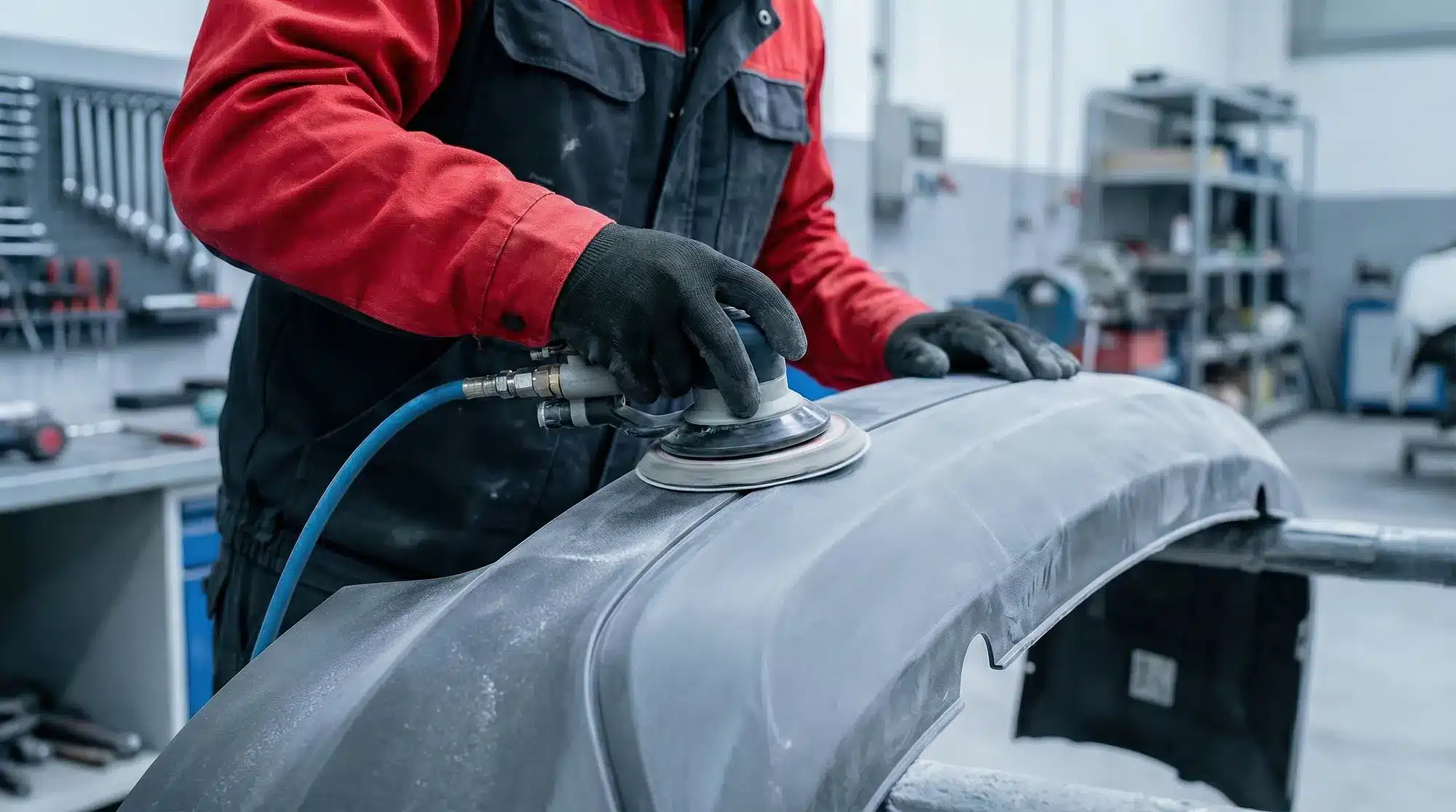
Commercial Collision Repair With Business Downtime in Mind
- 1
Why Vehicle Downtime Matters to Your Business: An unavailable vehicle can affect routes, staffing and customer appointments. Explain its operating role so availability needs can be discussed alongside the repair requirements.
- 2
Planning Repairs Around Fleet Operations: Share your preferred assessment order and whether another vehicle can cover the work. Scheduling options depend on capacity, parts and the required repairs.
- 3
Keeping Business Owners and Fleet Managers Informed: Designate a primary contact who can review estimates and approve changes. Agree on how updates will be shared and which developments may affect timing.
- 4
Getting Commercial Vehicles Back Into Service: Plan collection around a confirmed completion update. Review any outstanding work or operating concerns instead of assuming body repair covers every business-use requirement.
- 5
Repairing One Vehicle or Multiple Fleet Vehicles: For several vehicles, provide a unit-by-unit list of damage and priorities. Confirm whether appointments can be staggered; simultaneous acceptance should not be assumed.
Commercial Vehicle Collision Estimates and Insurance
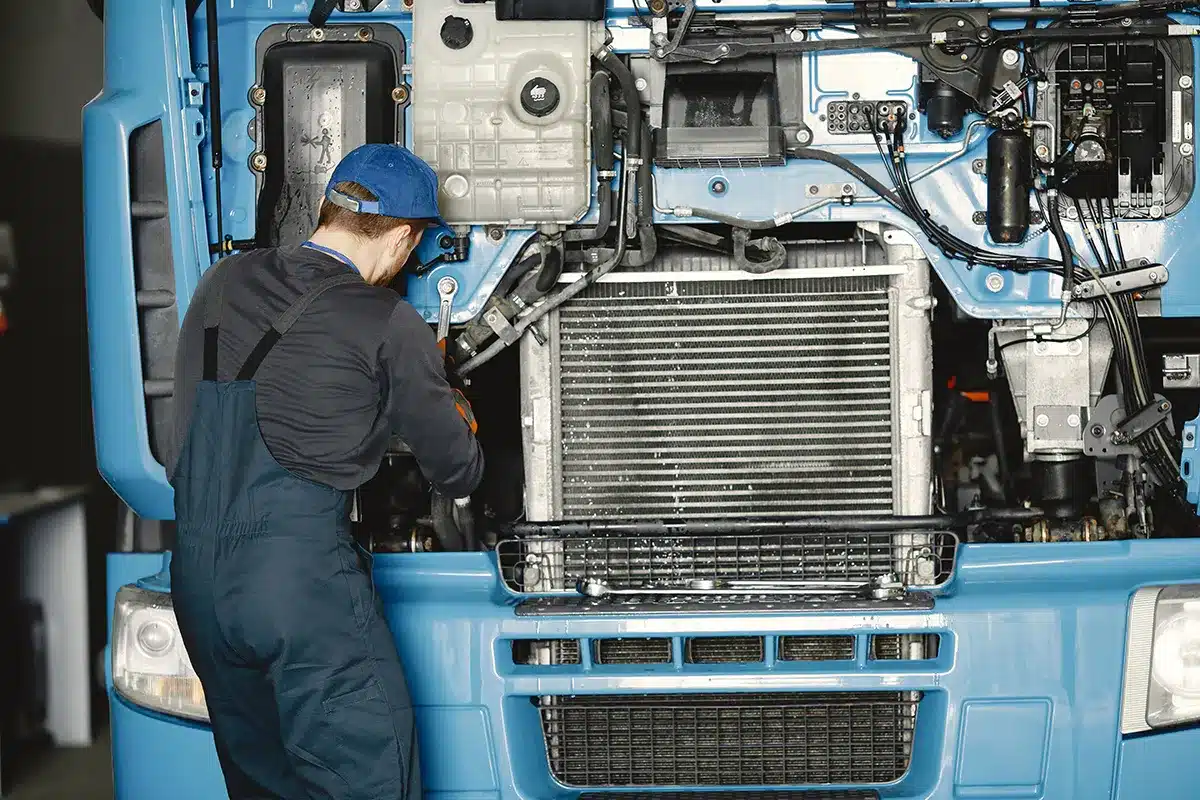
Should a Commercial Vehicle Be Repaired or Have Parts Replaced?
The decision depends on damage, construction, component condition and applicable procedures. Review the recommendation for each affected area.
- 1
When Body Panels Can Be Repaired: Repair may be appropriate where the material, damage and required procedure permit it. Ask what the proposed method will address.
- 2
When Damaged Components May Need Replacement: Extensive damage or component-specific requirements may make replacement necessary. The estimate should explain the recommendation and proposed part.
- 3
When Structural Damage Requires Additional Repair: Structural findings may change the scope beyond exterior bodywork. Confirm the available approach and capability for the vehicle before authorizing that work.
- 4
How Vehicle Condition Affects the Repair Plan: Existing deterioration, previous repairs and modifications can affect the assessment. Share known history so the plan reflects the vehicle’s actual condition.
- 5
Why a Proper Damage Assessment Matters: Visible damage alone may not establish the complete repair needs. Assessment connects the impact with affected components, required procedures and remaining questions.
Commercial Auto Body Repair for Different Business Vehicles

How Much Does Commercial Auto Body Repair Cost?
Cost depends on the vehicle, damaged components and required work. Request an assessment-based estimate with clear inclusions and unresolved conditions.
- 1
Type and Extent of Collision Damage: Localized exterior damage and a multi-area impact represent different scopes. Describe all affected areas when requesting pricing.
- 2
Body and Structural Repairs Required: Structural work can involve requirements beyond panel repair. Confirm which operations are proposed and whether they fit the facility’s capabilities.
- 3
Parts and Material Requirements: Part selection, availability and body materials influence the estimate. Review options and any separate sourcing requirements before authorization.
- 4
Paint and Refinishing Requirements: The number of affected panels and preparation needs influence refinishing costs. Clarify arrangements for graphics, lettering and wraps.
- 5
Hidden Damage Discovered During Teardown: Further findings can change labor, parts and related procedures. Ask how revised costs will be documented and approved.
- 6
Why an Inspection Is Needed for an Accurate Estimate: Photographs cannot establish every underlying condition. Inspection provides a clearer basis for pricing while identifying items requiring further assessment.
How Long Does Commercial Auto Body Repair Take?
Timing depends on damage, parts, procedures, approvals and scheduling. Request a projected completion date after the scope is assessed.
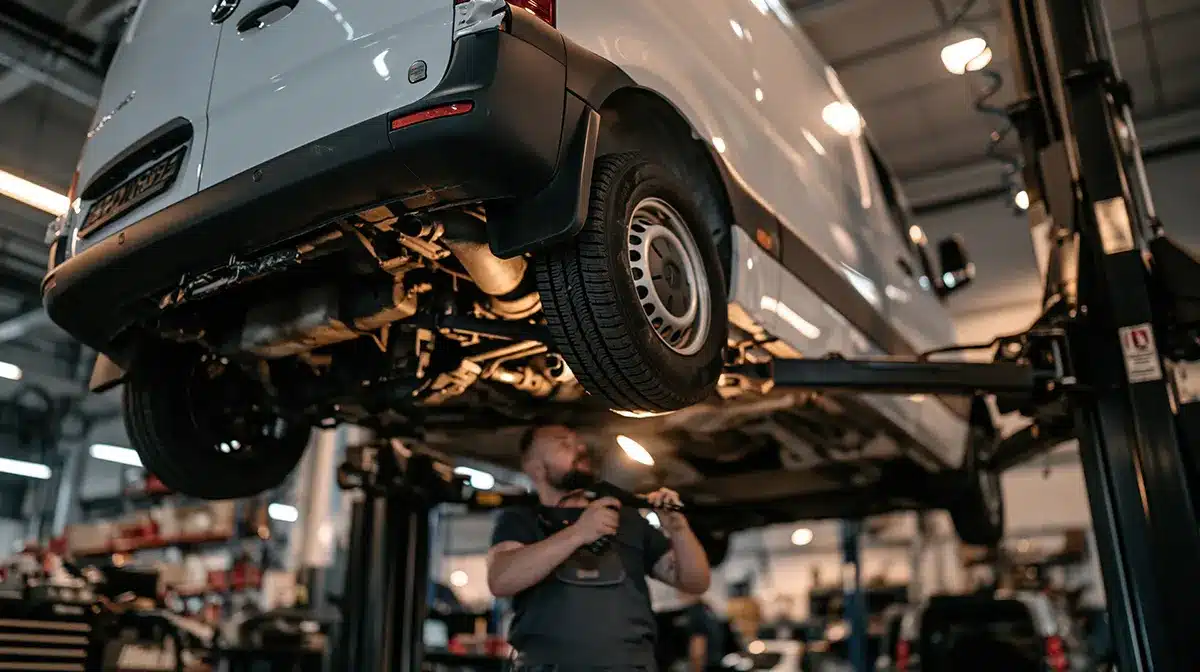
What to Look for in a Commercial Auto Body Repair Shop
- 1
Experience With Commercial Vehicles: Ask about projects involving a comparable vehicle type and configuration. Examples should demonstrate relevant work rather than imply acceptance of every commercial vehicle.
- 2
Appropriate Repair Equipment and Facility Capacity: Confirm dimensions, access and equipment suitability for the specific job. General body-repair capability does not establish heavy-duty or specialty-body capacity.
- 3
Proper Structural and Body Repair Procedures: Ask how the shop determines the applicable repair instructions. Structural and material-specific methods should reflect the actual vehicle.
- 4
Quality Paint and Refinishing: Review the proposed finish work, matching expectations and treatment of adjacent areas. Clarify whether business graphics belong in the same estimate.
- 5
Clear Estimates and Communication: Look for explanations of proposed parts, repairs, exclusions and outstanding inspection needs. Establish the contact and approval process before work begins.
- 6
Final Inspection Before Return to Service: Ask what completed-work checks and documentation will be provided. Separate collision-repair completion from any additional requirements for business operation.
Commercial Auto Body Repair in Willimantic, CT
Commercial Collision Repair for Willimantic Businesses
Capitol Collision gives local businesses a starting point for commercial collision repair inquiries. Contact the team with vehicle specifications and damage information.
Fleet and Work Vehicle Repair in Eastern Connecticut
Businesses in Eastern Connecticut can discuss work-vehicle and fleet repair needs with our Willimantic facility. Confirm suitability and appointments before arranging delivery.
Local Repair Support for Business Vehicle Owners
Keep vehicle information, insurance details and the authorization contact ready. Complete information helps establish a useful assessment conversation.
Schedule a Commercial Vehicle Assessment
Call to confirm the vehicle and required work can be accommodated. If transportation is needed, discuss towing arrangements and suitability before moving the vehicle.
Why Choose Capitol Collision for Commercial Auto Body Repair?
Commercial Auto Body Repair FAQs
Request a Commercial Auto Body Repair Estimate
Call 860-423-4516 or request a commercial repair estimate.
Address: 109 Capitol Drive, Willimantic, CT 06226
Hours: Mon-Fri 8:00am – 5:00pm
